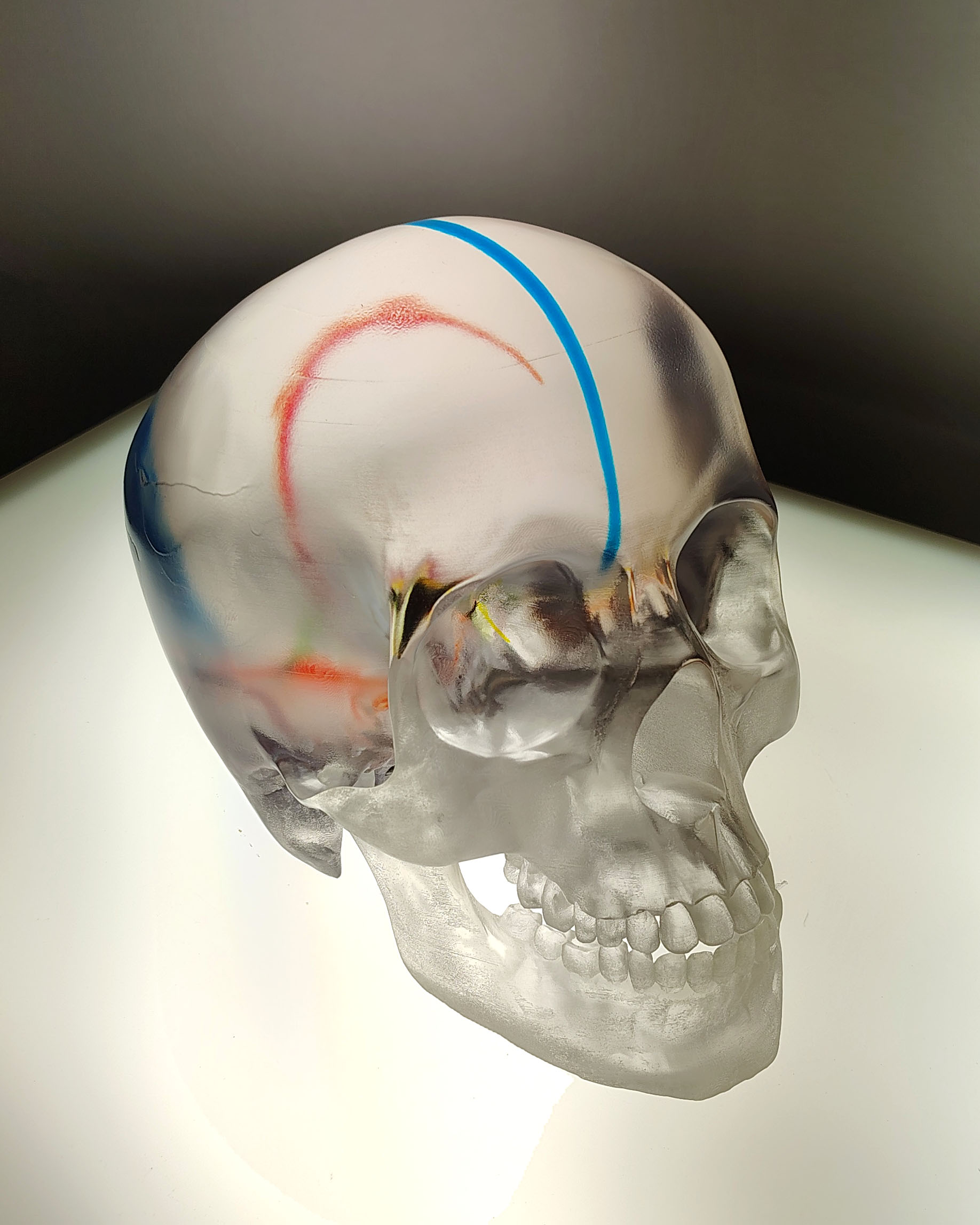
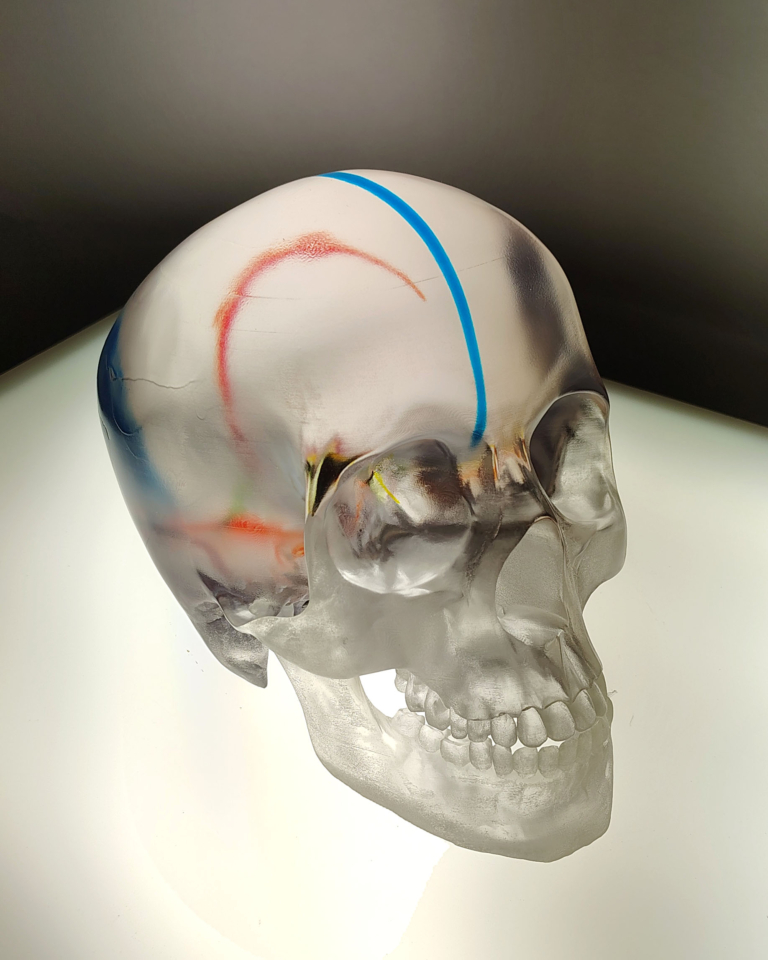
Our university library system has achieved substantial growth over the past fiscal year, marking a successful chapter in our 3D printing initiative since its inception. With the recent addition of a Stratasys F170 printer in Arizona and an F370 in Missouri, alongside increased utilization of our J55 Prime resin printer, the library has now produced a total of 58,274 models for students and faculty since 2015.
This past year alone accounted for 10,723 models across more than 37,000 production hours. Campus engagement also reached new heights through our multi-campus 3D printing contest, which encouraged creative and educational designs from students of all technical backgrounds. Congratulations to this year’s winners: Ishaan Patel (1st place), Nhi Do and Jamie Carroll (2nd place), and Joe Oberkrom, Kaylee Kappller, and Jacob Krauss (3rd place).

This productive year was made possible through the deep collaboration between Academic Technology, Anatomy, and the Library. Rather than serving as support staff, these departments operate as equal partners in this ecosystem. While the end products are stationed at the Library where we house the printers and coordinate with faculty, the program relies heavily on joint expertise. In particular, without Jamie Carroll’s knowledge, creativity, and contributions to the program, many of the 3D models would have required outsourcing. We also sincerely thank Clayton Furman, Michael Cramberg, Hannah Steele, Michael Shoop, and everyone who contributed to the essential pre- and post-processing work that keeps this service moving forward.
On both campuses, these expanded resources have allowed the library to become an essential partner in healthcare education. In Arizona, the 3D print service collaborated with Physical Therapy and Occupational Therapy faculty to create instructional models, including a femur and detailed developmental womb models, while also fabricating engagement tools like lecture fidget toys and items for youth community events. In Missouri, the team partnered closely with faculty and researchers on an extensive array of complex clinical tools—such as dental training teeth, intricate neurological and cardiovascular models, and historical reproductions for the museum. Furthermore, our teams successfully shared these insights and methodologies with the broader academic community by presenting at major library association conferences in Missouri and Baltimore.

Looking ahead, the library is prepared to sustain this momentum with a robust pipeline of upcoming projects. Future initiatives include working with academic departments to develop specialized ballistic gel models for injection training, creating advanced dental root canal models, and collaborating on a protocol to convert CAT and MRI scans into high-fidelity anatomical teaching tools.