QUICK LINKS:
Overview Curriculum Faculty & staff Tuition Admissions Careers & outcomes Student experience FAQs AccreditationPreparing PAs to serve communities in need
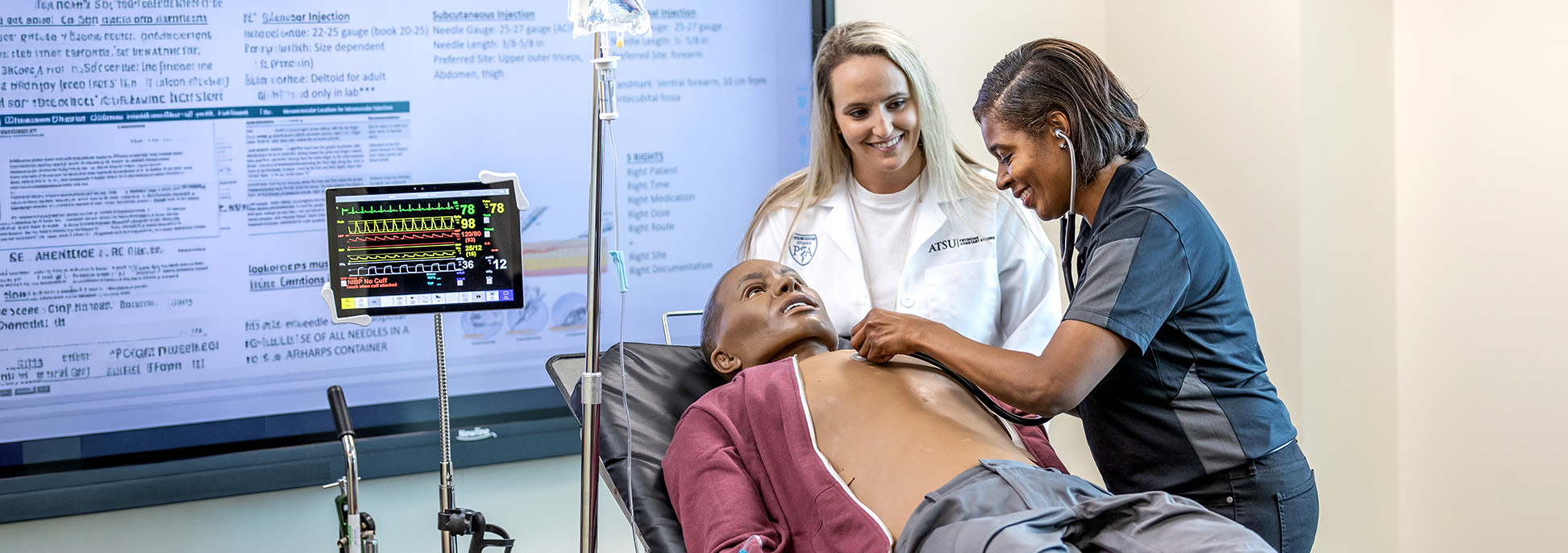
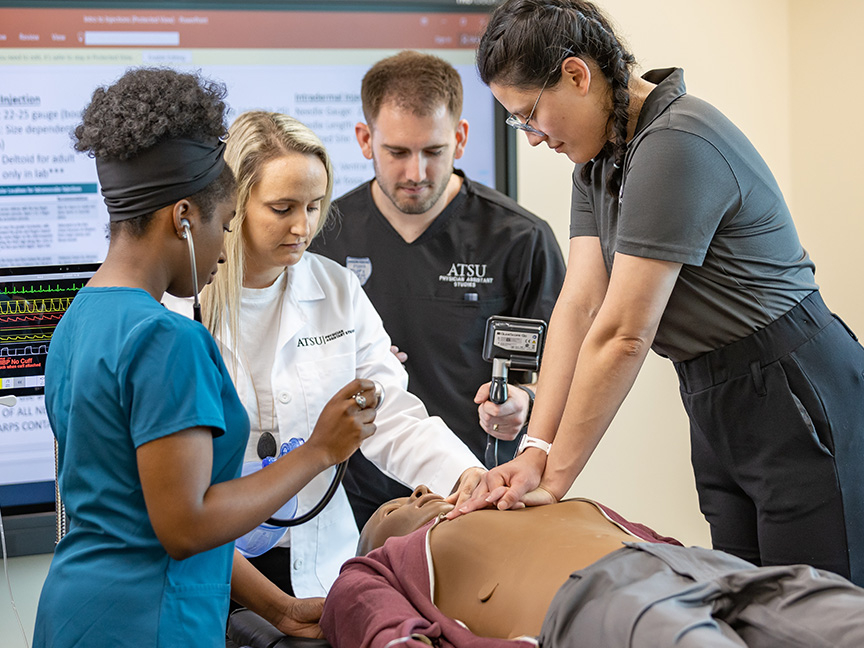
The entry-level Master of Science in Physician Assistant Studies (PA) program at A.T. Still University’s Arizona School of Health Sciences (ATSU-ASHS) teaches the art and science of medicine grounded in the osteopathic tradition of body-mind-spirit care for the whole person. In a learner-centered environment, students develop their skills through face-to-face instruction, didactic clinical experiences, year-long clinical procedures and history and physical examination laboratories, regular Standardized Patient Experiences (SPE) with trained patient actors, and small-group Application Learning Labs (ALL). Together, these opportunities prepare students for a year of supervised clinical training in clinics and hospitals.

PA master's degree details
Through a partnership with the National Association of Community Health Centers (NACHC), students complete year-long clinical experiences at Community Health Centers (CHCs) across the country for a select portion of the class. This training prepares graduates to provide culturally and spiritually competent, whole person primary care in communities where it is needed most.
The PA Studies program encourages graduates to practice in communities and areas where they can serve underserved populations. Through its partnership with NACHC, the program integrates clinical experiences in areas of need and prepares students for careers in primary care and high-need specialties, including:
Class of 2028 admissions data:
Class size: 100
Number of applicants interviewed: 299
Number of CASPA Applications: 1,907
Average cumulative GPA: 3.61
Average science GPA: 3.53
Average age: 26
- Family medicine
- General internal medicine
- General pediatrics
- Women's health
- Behavioral health and psychiatry
Students in the ATSU-ASHS PA Studies program should be prepared to relocate to any of the program’s community partner locations for their clinical experiences. The program does not offer international clinical experiences.

PA Life Moments
Our students and alumni share how ATSU’s programs are empowering their practice
Systems-based curriculum for aspiring PAs
The residential, entry-level PA Studies master’s program in Mesa, Arizona, prepares students to serve their community as primary care providers through on-campus and clinical training throughout the 26-month program. The ultimate focus of ATSU’s PA education is to serve the underserved communities with competent, compassionate care.
A.T. Still University (ATSU) course offerings and descriptions are updated on an ongoing basis and are subject to change. For the most current information, please refer to the University Catalog.
Curriculum overview:
Didactic year credits: 84
Clinical year credits: 43
Total credit hours: 127
VIEW PROGRAM FACT SHEETClassroom lectures and labs are conducted on the Mesa campus. Lectures are generally held in a large-group format and often include case studies, interactive quizzing, communication drills, and projects to encourage participation and collaboration with peers and faculty.
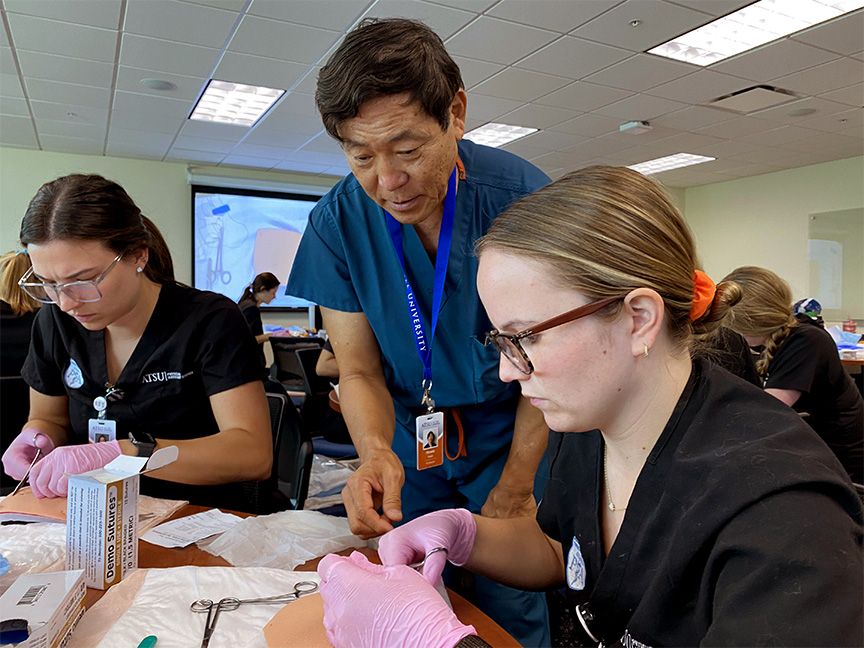
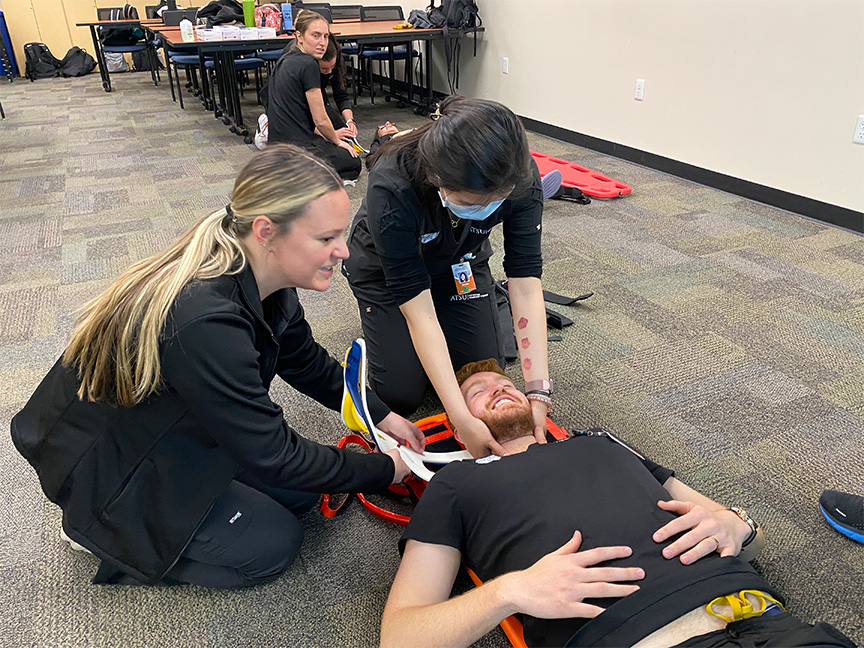
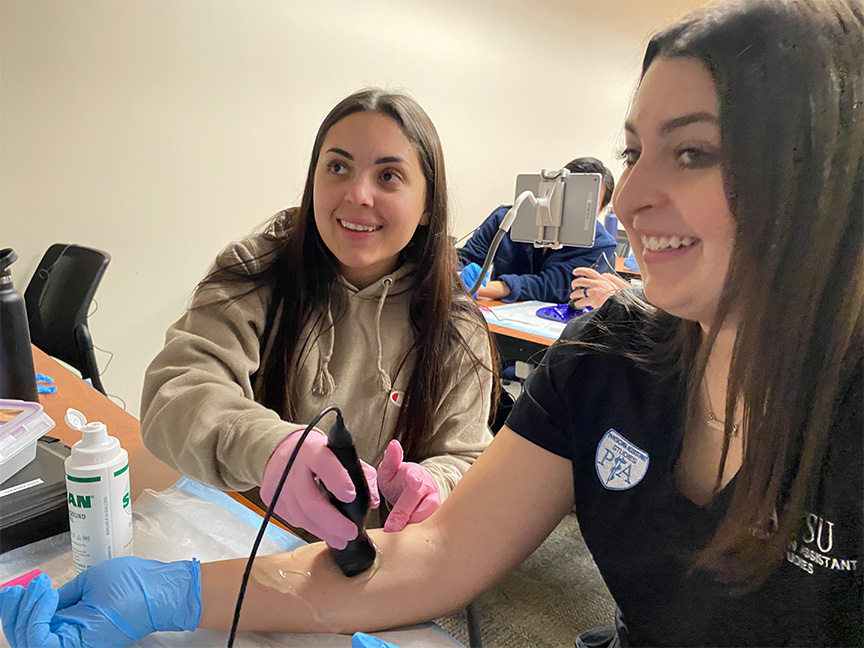
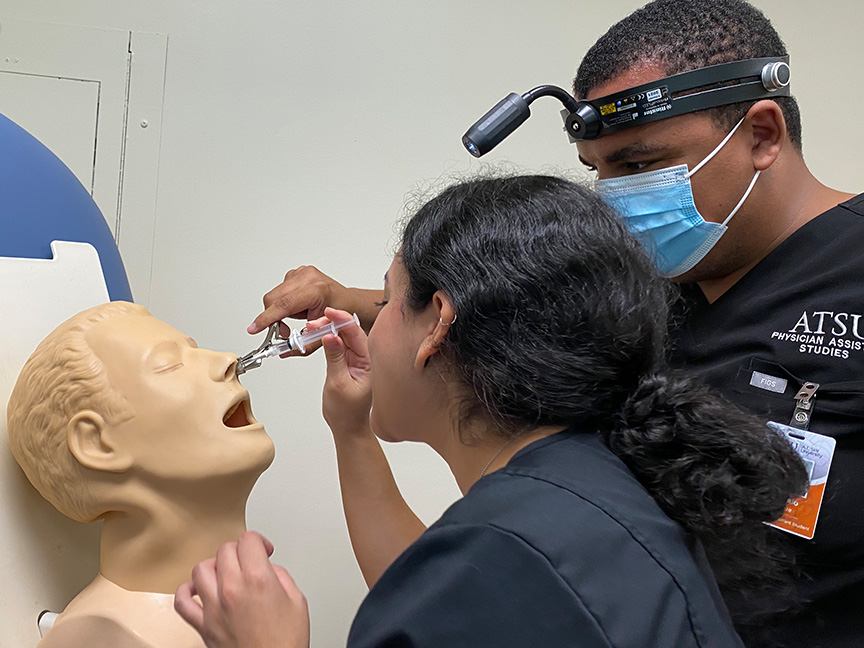
Labs are generally conducted in a smaller-group format, where students practice history and physical exam skills and procedures throughout the year. Under faculty supervision, students receive robust training in bedside ultrasound. In the Application Learning Lab, small groups of students apply what they have learned through a variety of case scenarios.
Standardized patients are utilized to provide “real world” scenarios and exposure to a testing environment that best prepares students for clinical rotations.
The Situation Room is a multi-scenario simulation that immerses students in challenging clinical scenarios to foster and enhance teamwork, critical thinking, procedural proficiency, and communication skills.
Students gain practical experience to prepare for clinical rotations by entering the community to see patients during their didactic year. Students build confidence by working closely with preceptors and patients.
Examples of these didactic year clinical experiences include:
- Karate medical team
- Family Medicine
- Ears Nose Throat (ENT)
- Dermatology
- Orthopedics
- Pain management
- Pediatrics
- Dental Clinic
- PT/OT clinic
The first 14 months of the 26-month PA Studies program provide a strong academic foundation for clinical practice. Faculty and staff work closely with students to develop the professional attributes, clinical knowledge, and problem-solving skills needed to provide efficient, optimal patient care.
During the clinical component of the program, students complete eight 4-week and two 8-week supervised clinical practice experiences. Students are assigned to clinical sites throughout Arizona or, for select experiences, at community health center partners located in various parts of the country. Working directly with patients, clinical preceptors, and other healthcare professionals, students continue to advance their clinical knowledge and develop the skills needed to practice across a variety of healthcare settings.
Clinical Practice Experience areas include:
- Family medicine
- Internal medicine
- Pediatrics
- Emergency medicine
- Women’s health
- General surgery
- Behavioral health
- Elective
- Selective 1
- Selective 2
Community health centers experiences
Community health centers (CHCs) are the nation’s largest safety-net providers of healthcare for underserved communities. Through clinical rotations at ATSU’s CHC partners, select students gain experience serving communities with significant healthcare needs. By immersing students in these settings, the program seeks to encourage graduates to pursue careers serving communities in need.
Current CHC partners include:
- Sun Life Health, Casa Grande, AZ
- Teche Action Clinic, Franklin, LA
- Albany Area Primary Health Care, Albany, GA
- Family Healthcare Network, Visalia, CA
- Camarena Health, Madera, CA
- Sunset Community Health Center, Yuma, AZ
- Community Healthcare Center of Wichita Falls, Wichita Falls, TX
- Ampla Health, Yuba City, CA
- Golden Valley, Merced, CA
- Celebrating Life, Mission Viejo, CA
- New Jersey Clinical Consortium, Passaic, NJ
To graduate from the ATSU-ASHS PA Studies program, students must complete a capstone paper or project in collaboration with faculty. The project focuses on a community health improvement or quality improvement initiative addressing a social determinant of health specific to the community where the student completes their clinical training. This experience allows students to apply their clinical knowledge while contributing to meaningful improvements in the communities they serve.
Physician Assistant Studies program courses
The curriculum for the PA Studies program consists of classroom lecture, interactive learning, laboratory and skills training, Application Learning Lab (ALL), and Didactic Clinical Experiences (DCE). While the majority of time is spent in lectures, students also engage in interactive activities such as small-group breakout sessions, game-based learning, polling, and student-led presentations.
The course schedule for the didactic year consists of the following for a total of 84 credit hours.
Fall semester I
1 Credit
Introduction to Clinical Skills is the first of a five-part course sequence that provides hands-on training in clinical procedures commonly used in current professional practice. Using low instructor-to-student ratios and medium- and high-fidelity manikins, students gain familiarity with a range of clinical procedures while developing their bedside manner and confidence. Team-based care principles are taught through formative simulation experiences. The Clinical Skills series has been carefully organized to present material by body system and promote integration with material from parallel courses in the curriculum, including Clinical Medicine, History & Physical, and Body, Mind, Spirit.
2 Credits
Clinical Anatomy is a review of clinically relevant human anatomy using a regional approach. Lecture and three-dimensional laboratory components of the course emphasize the clinical relevance of each anatomical region covered. Nonpathological radiological anatomy is also reviewed.
4.5 Credits
This course provides a foundation for recognizing the differences between normal and disease states by integrating basic concepts in genetics, molecular biology, microbiology, physiology, and pathology. Emphasis is placed on the various mechanisms of disease etiology and how they relate to pharmacotherapeutic intervention. Basic pharmacokinetic and pharmacodynamic principles are covered in this course, along with autonomic pharmacology, analgesics, antineoplastic agents, and immunomodulating therapies.
2 Credits
The Intro to Body, Mind, and Spirit Seminar is the first in a four-course series that exposes students to seminal material germane to the role of the practicing physician assistant. Foundational topics in the following areas will be presented throughout the four courses in the series: Professionalism (including intellectual honesty); Cross-Culturalism and Care of Diverse Patient Populations; Bias in Medical Care Delivery; Interprofessional Team Concepts; Healthcare Delivery Systems; Evaluation of the Medical Literature; Concepts of Public Health; Patient Safety and Prevention of Medical Errors; Ethical Practice; Patient and Practitioner Wellness; PA-Physician Team Practice; PA Professional Issues; Development and History of the PA Profession; and Spirituality in Medicine.
3.5 Credits
Introduction to Patient Assessment provides instruction in the fundamental methods for obtaining and presenting a complete screening medical history and physical examination. Techniques for conducting physical examinations are covered. Instructional methods include lectures, group discussions, role-playing, and labs. Under supervision, students conduct interviews and physical examinations. Students are expected to spend additional time outside of class performingphysical exams and preparing to present case information and findings.
4 Credits
The Clinical Medicine series is a 12-course series that provides physician assistant students with a systems-based education in health promotion and disease prevention, as well as patient evaluation, diagnosis, and management across the lifespan. Building upon material presented in the Foundations of Medicine courses in Fall semester I, each course in the Clinical Medicine series provides instruction on a specific body system, including the pathophysiologic basis of disease (including genetics and molecular mechanisms), generation of system-specific differential diagnoses, ordering and interpretation of diagnostic studies, and formulation and implementation of pharmacologic and nonpharmacologic treatment plans. Special emphasis is placed on the major principles of pharmacology, including drug absorption, distribution, metabolism, and elimination. Medications covered include those most commonly used in the care and treatment of system-specific conditions.
8 Credits
The Clinical Medicine series is a 12-course series that provides physician assistant students with a systems-based education in health promotion and disease prevention, as well as patient evaluation, diagnosis, and management across the lifespan. Building upon material presented in the Foundations of Medicine courses in Fall semester I, each course in the Clinical Medicine series provides instruction on a specific body system, including the pathophysiologic basis of disease (including genetics and molecular mechanisms), generation of system-specific differential diagnoses, ordering and interpretation of diagnostic studies, and formulation and implementation of pharmacologic and nonpharmacologic treatment plans. Special emphasis is placed on the major principles of pharmacology, including drug absorption, distribution, metabolism, and elimination. Medications covered include those most commonly used in the care and treatment of system-specific conditions.
2 Credits
The History and Physical Examination series is a four-course series that provides physician assistant students with techniques for obtaining a patient history and performing a physical examination. This series also teaches students the proper use of medical diagnostic equipment, selected clinical procedures, and effective communication skills for working with patients, their families, and other health professionals. Students learn and practice basic counseling and patient education skills. The courses include classroom activities, laboratory sessions, and clinical experiences.
1 Credit
The Body, Mind, and Spirit Seminar series is a four-course series that exposes students to seminal material germane to the role of the practicing physician assistant. Foundational topics in the following areas will be presented throughout the four courses in the series: Professionalism (including intellectual honesty); Cross Culturalism and Care of Diverse Patient Populations; Bias in Medical Care Delivery; Interprofessional Team Concepts; Healthcare Delivery Systems; Evaluation of the Medical Literature; Concepts of Public Health; Patient Safety and Prevention of Medical Errors; Ethical Practice; Patient and Practitioner Wellness; PA-Physician Team Practice; PA Professional Issues; Development and History of the PA Profession; and Spirituality in Medicine.
1 Credit
The Clinical Medicine Practicum series is a four-course sequence that places students in supervised clinical care settings throughout their didactic education in preparation for the clinical year. Students learn the art of medicine from PAs, physicians, and other healthcare providers in a variety of care environments and specialties.
1 Credit
The Clinical Skills series is a five-course sequence that provides hands-on training in clinical procedures commonly used in current professional practice. Using low instructor-to-student ratios and medium- and high-fidelity manikins, students gain familiarity with a range of clinical procedures while developing their bedside manner and confidence. Team-based care principles are taught through formative simulation experiences. All students obtain ACLS certification during this course sequence.
Spring semester I
2 Credits
The Clinical Medicine series is a 12-course series that provides physician assistant students with a systems-based education in health promotion and disease prevention, as well as patient evaluation, diagnosis, and management across the lifespan. Building upon material presented in the Foundations of Medicine courses in Fall semester I, each course in the Clinical Medicine series provides instruction on a specific body system, including the pathophysiologic basis of disease (including genetics and molecular mechanisms), generation of system-specific differential diagnoses, ordering and interpretation of diagnostic studies, and formulation and implementation of pharmacologic and nonpharmacologic treatment plans. Special emphasis is placed on the major principles of pharmacology, including drug absorption, distribution, metabolism, and elimination. Medications covered include those most commonly used in the care and treatment of system-specific conditions.
4 Credits
The Clinical Medicine series is a 12-course series that provides physician assistant students with a systems-based education in health promotion and disease prevention, as well as patient evaluation, diagnosis, and management across the lifespan. Building upon material presented in the Foundations of Medicine courses in Fall semester I, each course in the Clinical Medicine series provides instruction on a specific body system, including the pathophysiologic basis of disease (including genetics and molecular mechanisms), generation of system-specific differential diagnoses, ordering and interpretation of diagnostic studies, and formulation and implementation of pharmacologic and nonpharmacologic treatment plans. Special emphasis is placed on the major principles of pharmacology, including drug absorption, distribution, metabolism, and elimination. Medications covered include those most commonly used in the care and treatment of system-specific conditions.
7 Credits
The Clinical Medicine series is a 12-course series that provides physician assistant students with a systems-based education in health promotion and disease prevention, as well as patient evaluation, diagnosis, and management across the lifespan. Building upon material presented in the Foundations of Medicine courses in Fall semester I, each course in the Clinical Medicine series provides instruction on a specific body system, including the pathophysiologic basis of disease (including genetics and molecular mechanisms), generation of system-specific differential diagnoses, ordering and interpretation of diagnostic studies, and formulation and implementation of pharmacologic and nonpharmacologic treatment plans. Special emphasis is placed on the major principles of pharmacology, including drug absorption, distribution, metabolism, and elimination. Medications covered include those most commonly used in the care and treatment of system-specific conditions.
2 Credits
The History and Physical Examination series is a four-course series that provides physician assistant students with techniques for obtaining a patient history and performing a physical examination. This series also teaches students the proper use of medical diagnostic equipment, selected clinical procedures, and effective communication skills for working with patients, their families, and other health professionals. Students learn and practice basic counseling and patient education skills. The courses include classroom activities, laboratory sessions, and clinical experiences.
1 Credit
The Body, Mind, and Spirit Seminar series is a four-course series that exposes students to seminal material germane to the role of the practicing physician assistant. Foundational topics in the following areas will be presented throughout the four courses in the series: Professionalism (including intellectual honesty); Cross Culturalism and Care of Diverse Patient Populations; Bias in Medical Care Delivery; Interprofessional Team Concepts; Healthcare Delivery Systems; Evaluation of the Medical Literature; Concepts of Public Health; Patient Safety and Prevention of Medical Errors; Ethical Practice; Patient and Practitioner Wellness; PA-Physician Team Practice; PA Professional Issues; Development and History of the PA Profession; and Spirituality in Medicine.
1 Credit
The Clinical Medicine Practicum series is a four-course sequence that places students in supervised clinical care settings throughout their didactic education in preparation for the clinical year. Students learn the art of medicine from PAs, physicians, and other healthcare providers in a variety of care environments and specialties.
1 Credit
The Clinical Skills series is a five-course sequence that provides hands-on training in clinical procedures commonly used in current professional practice. Using low instructor-to-student ratios and medium- and high-fidelity manikins, students gain familiarity with a range of clinical procedures while developing their bedside manner and confidence. Team-based care principles are taught through formative simulation experiences. All students obtain ACLS certification during this course sequence.
5 Credits
The Clinical Medicine series is a 12-course series that provides physician assistant students with a systems-based education in health promotion and disease prevention, as well as patient evaluation, diagnosis, and management across the lifespan. Building upon material presented in the Foundations of Medicine courses in Fall semester I, each course in the Clinical Medicine series provides instruction on a specific body system, including the pathophysiologic basis of disease (including genetics and molecular mechanisms), generation of system-specific differential diagnoses, ordering and interpretation of diagnostic studies, and formulation and implementation of pharmacologic and nonpharmacologic treatment plans. Special emphasis is placed on the major principles of pharmacology, including drug absorption, distribution, metabolism, and elimination. Medications covered include those most commonly used in the care and treatment of system-specific conditions.
2 Credits
The History and Physical Examination series is a four-course series that provides physician assistant students with techniques for obtaining a patient history and performing a physical examination. This series also teaches students the proper use of medical diagnostic equipment, selected clinical procedures, and effective communication skills for working with patients, their families, and other health professionals. Students learn and practice basic counseling and patient education skills. The courses include classroom activities, laboratory sessions, and clinical experiences.
1 Credit
The Body, Mind, and Spirit Seminar series is a four-course series that exposes students to seminal material germane to the role of the practicing physician assistant. Foundational topics in the following areas will be presented throughout the four courses in the series: Professionalism (including intellectual honesty); Cross Culturalism and Care of Diverse Patient Populations; Bias in Medical Care Delivery; Interprofessional Team Concepts; Healthcare Delivery Systems; Evaluation of the Medical Literature; Concepts of Public Health; Patient Safety and Prevention of Medical Errors; Ethical Practice; Patient and Practitioner Wellness; PA-Physician Team Practice; PA Professional Issues; Development and History of the PA Profession; and Spirituality in Medicine.
1 Credit
The Clinical Medicine Practicum series is a four-course sequence that places students in supervised clinical care settings throughout their didactic education in preparation for the clinical year. Students learn the art of medicine from PAs, physicians, and other healthcare providers in a variety of care environments and specialties.
1 Credit
The Clinical Skills series is a five-course sequence that provides hands-on training in clinical procedures commonly used in current professional practice. Using low instructor-to-student ratios and medium- and high-fidelity manikins, students gain familiarity with a range of clinical procedures while developing their bedside manner and confidence. Team-based care principles are taught through formative simulation experiences. All students obtain ACLS certification during this course sequence.
Summer semester
2 Credits
The Clinical Medicine series is a 12-course series that provides physician assistant students with a systems-based education in health promotion and disease prevention, as well as patient evaluation, diagnosis, and management across the lifespan. Building upon material presented in the Foundations of Medicine courses in Fall semester I, each course in the Clinical Medicine series provides instruction on a specific body system, including the pathophysiologic basis of disease (including genetics and molecular mechanisms), generation of system-specific differential diagnoses, ordering and interpretation of diagnostic studies, and formulation and implementation of pharmacologic and nonpharmacologic treatment plans. Special emphasis is placed on the major principles of pharmacology, including drug absorption, distribution, metabolism, and elimination. Medications covered include those most commonly used in the care and treatment of system-specific conditions.
4 Credits
The Clinical Medicine series is a 12-course series that provides physician assistant students with a systems-based education in health promotion and disease prevention, as well as patient evaluation, diagnosis, and management across the lifespan. Building upon material presented in the Foundations of Medicine courses in Fall semester I, each course in the Clinical Medicine series provides instruction on a specific body system, including the pathophysiologic basis of disease (including genetics and molecular mechanisms), generation of system-specific differential diagnoses, ordering and interpretation of diagnostic studies, and formulation and implementation of pharmacologic and nonpharmacologic treatment plans. Special emphasis is placed on the major principles of pharmacology, including drug absorption, distribution, metabolism, and elimination. Medications covered include those most commonly used in the care and treatment of system-specific conditions.
0.5 Credits
The Clinical Medicine Practicum series is a four-course sequence that places students in supervised clinical care settings throughout their didactic education in preparation for the clinical year. Students learn the art of medicine from PAs, physicians, and other healthcare providers in a variety of care environments and specialties.
0.5 Credits
The Clinical Skills series is a five-course sequence that provides hands-on training in clinical procedures commonly used in current professional practice. Using low instructor-to-student ratios and medium- and high-fidelity manikins, students gain familiarity with a range of clinical procedures while developing their bedside manner and confidence. Team-based care principles are taught through formative simulation experiences. All students obtain ACLS certification during this course sequence.
Fall Semester II
3.5 Credits
The Clinical Medicine series is a 12-course series that provides physician assistant students with a systems-based education in health promotion and disease prevention, as well as patient evaluation, diagnosis, and management across the lifespan. Building upon material presented in the Foundations of Medicine courses in Fall semester I, each course in the Clinical Medicine series provides instruction on a specific body system, including the pathophysiologic basis of disease (including genetics and molecular mechanisms), generation of system-specific differential diagnoses, ordering and interpretation of diagnostic studies, and formulation and implementation of pharmacologic and nonpharmacologic treatment plans. Special emphasis is placed on the major principles of pharmacology, including drug absorption, distribution, metabolism, and elimination. Medications covered include those most commonly used in the care and treatment of system-specific conditions.
1 Credit
The History and Physical Examination series is a four-course series that provides physician assistant students with techniques for obtaining a patient history and performing a physical examination. This series also teaches students the proper use of medical diagnostic equipment, selected clinical procedures, and effective communication skills for working with patients, their families, and other health professionals. Students learn and practice basic counseling and patient education skills. The courses include classroom activities, laboratory sessions, and clinical experiences.
3.5 Credits
Clinical experiences will average approximately 40 hours/week on site providing patient-related care. Some clinical experiences may involve slightly shorter hours (no less than 36 hours/week) or longer hours (no more than 80 hours/week), as well as evening, weekend, or on-call responsibilities. The preceptor or clinical site will determine the student’s on-site schedule and clinical responsibilities. Students must adhere to each clinical experience schedule and all assignments developed by the preceptor. If this is not possible in any given week at a specific clinical site, the student is to notify the clinical team in advance. Patient-related care includes evaluating and treating patients, charting and completing appropriate paperwork (written or electronic), case presentations, discussions with the preceptor, and other duties as applicable.
1 Credit
This course integrates information on the biological and molecular nature of causative organisms, diagnostics, treatments, and prevention strategies. A review of common infectious diseases presented in previous Clinical Medicine courses is emphasized, along with infectious disease topics related to concurrent enrollment in the Nephrology/Urology (MSPA5150) and Women’s Health (MSPA5145) courses.
0.5 Credits
This is a continuation of Clinical Medicine Practicum IV. Students are challenged to integrate their didactic learning with clinical patient care experiences from previous practicum courses through a series of culminating activities in preparation for the clinical component of the program. Cognitive knowledge and affective skills are assessed through written and practical examinations, student presentations, and oral examinations similar to those students will encounter during the clinical year and later in actual practice.
0.5 Credits
The Clinical Skills series is a five-course sequence that provides hands-on training in clinical procedures commonly used in current professional practice. Using low instructor-to-student ratios and medium- and high-fidelity manikins, students gain familiarity with a range of clinical procedures while developing their bedside manner and confidence. Team-based care principles are taught through formative simulation experiences. All students obtain ACLS certification during this course sequence.
The course schedule for the clinical year consists of the following for a total of 43 credit hours.
3.33 Credits
Students have the opportunity to complete an elective experience in an area of interest from the list of active preceptors in the program’s clinical database. Students are welcome to suggest a clinical site outside of the program’s available list that is consistent with the Department’s mission and within the current established geographic clinical locations (in Metro Phoenix or active CHC campuses). The program must approve all clinical experiences.
6.68 Credits
Clinical experiences will average approximately 40 hours/week on site providing patient-related care. Some clinical experiences may involve slightly shorter hours (no less than 36 hours/week) or longer hours (no more than 80 hours/week), as well as evening, weekend, or on-call responsibilities. The preceptor or clinical site will determine the student’s on-site schedule and clinical responsibilities. Students must adhere to each clinical experience schedule and all assignments developed by the preceptor. If this is not possible in any given week at a specific clinical site, the student is to notify the clinical team in advance. Patient-related care includes evaluating and treating patients, charting and completing appropriate paperwork (written or electronic), case presentations, discussions with the preceptor, and other duties as applicable.
3.33 Credits
This four-week clinical experience is student-selected. Students may choose from the provided list. The clinical team must approve the selective, and preceptors must be licensed healthcare professionals. The experience gives students an opportunity to enhance an area of interest and/or explore a potential location for future clinical practice. Generally, selective clinical experiences are scheduled later in the clinical year of study.
0.25 Credits
This course is ongoing throughout the clinical year. It includes testing, Objective Structured Clinical Encounter (OSCE) and practical examinations, SOAP note assignments, summative evaluations, and preparation for the PANCE. Topics that prepare students for practice as licensed healthcare professionals are covered, including state licensure, DEA requirements, malpractice, billing and coding, residencies, and graduate PA training.
2 Credits
This course is ongoing throughout the clinical year. It includes testing, Objective Structured Clinical Encounter (OSCE) and practical examinations, SOAP note assignments, summative evaluations, and preparation for the PANCE. Topics that prepare students for practice as licensed healthcare professionals are covered, including state licensure, DEA requirements, malpractice, billing and coding, residencies, and graduate PA training.
0.25 Credits
This course is ongoing throughout the clinical year. It includes testing, Objective Structured Clinical Encounter (OSCE) and practical examinations, SOAP note assignments, summative evaluations, and preparation for the PANCE. Topics that prepare students for practice as licensed healthcare professionals are covered, including state licensure, DEA requirements, malpractice, billing and coding, residencies, and graduate PA training.
Industry-leading PA faculty
A.T. Still University leadership and faculty are distinguished experts across various healthcare fields who provide responsive and engaged support to all students. Our leadership promotes whole person healthcare for underserved communities by preparing health professionals for entry into their chosen professions. Within the residential PA Studies program and throughout the University, our esteemed faculty foster a passion for lifelong learning.
Hear from our leadership and faculty
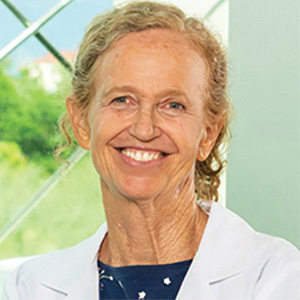
Dr. Ann Lee Burch is the dean of A.T. Still University’s Arizona School of Health Sciences (ATSU-ASHS). Dr. Burch received her doctor of education from Columbia University, Teachers College in 2005. She received her masters of public health from Columbia University, Mailman School of Public Health in 2002 and her masters of physical therapy from Columbia University, College of Physicians and Surgeons in 1989. She was a postdoctoral fellow with the Research Group on Health Disparities at Teachers College, Columbia University. Her BA is in psychology from the University of Rochester.
Prior to her appointment as dean, Dr. Burch served as vice dean for ATSU-ASHS. She served as the chair of the Physical Therapy Department from 2008-January 2012. Prior to ATSU, Dr. Burch was the director of physical therapy at the University of Puerto Rico, Medical Sciences Campus in San Juan, Puerto Rico. She has held administrative and/or faculty positions at the International Center for the Disabled in NY, NY, Mercy College in NY, and Long Island University in Brooklyn, NY.
Dr. Burch’s area of scholarly interest and application of that interest is in knowledge, attitudes, and self-efficacy of health care providers and healthcare professional students towards underrepresented patient/client groups.
Dr. Burch is the author of a Guide to Physical Therapy (Vault Publishers) which was written to increase information access about physical therapy to both high school graduates and re-entry adults. She was a co-investigator on an NIH grant at the University of Puerto Rico exploring the feasibility of an exercise program for breast cancer survivors living in San Juan. Dr. Burch has lived in Symi, Greece, Taipei, Taiwan, Ahmedabad, India and San Juan, Puerto Rico, and is committed to research, teaching, and service that further the understanding of the impact of socioeconomic and cultural variables on health.
She was a member of the class of 2014 cohort of Women in Educational Leadership at Harvard Graduate School of Education. In 2017 she was the co-PI on a Centers for Disease Control, Association for Prevention and Teaching grant exploring a population health case study format for teaching and communicating the impact of social determinants of health on health disparities. She was recently appointed a peer reviewer for the Higher Learning Commission.
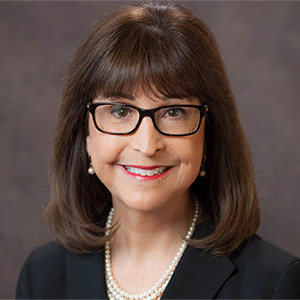
Marlene Salas-Provance, PhD, MHA, CCC-SLP
Vice Dean
Dr. Salas-Provance, is professor and vice dean of A.T. Still University’s Arizona School of Health Sciences (ATSU-ASHS). Dr. Salas-Provance received her doctorate in speech science from the University of Illinois Urbana-Champaign. She received her masters of health administration from the University of Missouri School of Medicine-Columbia. She holds both a bachelors and masters in Speech Pathology from New Mexico State University.
Prior to her appointment as vice dean, Dr. Salas-Provance served as associate dean of academic and student affairs for the School of Health Professions at the University of Texas Medical Branch Galveston. She served as assistant dean and chair in the College of Education, Department of Special Education and Communication Disorders at New Mexico State University in Las Cruces, New Mexico and department chair in the Department of Communication Sciences and Disorders at the University of Montevallo (AL). She held faculty positions at Fontbonne College and St. Louis University, in St. Louis, MO.
She has made extensive professional contributions to the American, Speech, Language & Hearing Association (ASHA), serving on the Speech-Language Pathology Advisory Council, member of the Financial Planning Board, and the Multicultural Issues Board. She served as coordinator of ASHA’s Special Interest Group (SIG) 14, Communication Disorders and Sciences in Culturally and Linguistically Diverse populations and was a founding member and coordinator of SIG 17, Global Issues in Communication Sciences and Disorders. She is an ASHA Fellow and received ASHA’s highest awards for “Special Recognition in Multicultural Affairs” and “Outstanding Contributions in International Achievement.”
Dr.Salas-Provance has served as a clinical educator throughout her academic career, especially related to children with cleft lip and palate. She is a member of an international medical team with Rotaplast International and has traveled worldwide for over 15 years to provide clinical services to children with cleft palate. She implemented a program for graduate students in speech pathology to provide clinical services in Spanish to children with cleft palate in Lima, Peru. In addition to Lima, Peru she has provided clinical services in China, Bangladesh, Philippines, El Salvador, Dominican Republic, Guatemala and Venezuela.
Dr. Salas-Provance is coauthor of the textbook Culturally Responsive Practices in Speech-Language and Hearing Science (Plural Publishing, 2019) which meets the needs for training students in healthcare professions regarding practice with individuals from culturally and linguistically diverse populations. Her research is focused on attitudes towards disability by diverse populations and addressing the use of language interpreters during healthcare and educational encounters.
Over the past ten years she has lectured extensively to international audiences, both in English and Spanish, including as invited speaker for the Congreso Internacional en Trastornos de la Comunicacion at Escuela de Fonoaudiologia (Speech Language Pathology / Audiology) de la Universidad de Talca, Chile and for the Department of Otolaryngology, Hospital Nacional Arzobispo Loayza, Lima, Peru, Endoscopic Evaluation of Velopharyngeal Dysfunction. She was invited keynote speaker for the First International Congress in Speech-Language Pathology and Orthodontics in the area of cleft lip and palate in Lima, Peru.
Dr. Salas-Provance was selected for the American Council on Education (ACE) Women’s Leadership Program and attended the National Women’s Leadership Forum in Washington DC (2017) for advancing female executives in higher education.
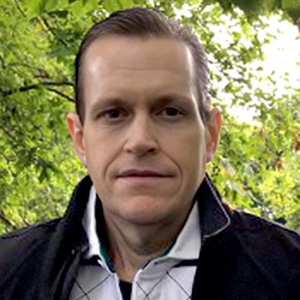
Ray Pavlick, PhD
Professor, Department Chair
Ray Pavlick, PhD, began teaching physiology and pharmacology in ATSU’s PA program in 1997. He also teaches for ATSU’s Arizona School of Dentistry and Oral Health and trains paramedics in the east valley of Phoenix. He has published articles in journals such as General and Comparative Endocrinology, The Journal of Physician Assistant Education, and The Journal of the Medical Library Association. He has also authored chapters in various textbooks on both physiology and pharmacology.
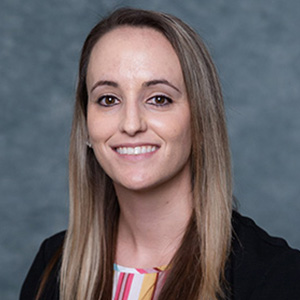
Brittney Hulsey, DMSc, MSPA
Program Director, Associate Professor
Brittney Hulsey DMSc, MSPAS, MS, PA-C, is a 2015 graduate of A.T. Still University’s Mesa campus PA program and a 2022 graduate of the A.T. Still University Doctor of Medical Science Program. She was born in Orange, California and grew up in southern Orange County. She moved to Arizona and attended University of Arizona where she received her undergraduate and graduate degree in physiological sciences. She worked as an anatomy and physiology professor and EMT prior to attending ATSU-ASHS’ PA program. She is the sole creator and instructor of PAss it PANCE LLC Review Course and chapter author for Lange Q&A for Physician Assistants. She has a strong background in both primary care and urgent care. She also serves as a board member for Arizona State Association for PAs. She is passionate about sports medicine, exercise physiology, cardiac health, and working with members with developmental and intellectual disabilities, and veterans. She has a strong passion for addressing social determinants of health in medicine and teaching students about this important topic. She is committed to improving health outcomes by understanding and addressing social, economic, and environmental factors that can impact a person's well being. She is passionate in empowering students to become effective and compassionate healthcare providers that will make a meaningful difference in the lives of their patients. Her teaching philosophy is to prepare the student for the road, not the road for the student.
Brittney lives with her husband and two daughters. In her spare time she enjoys sports, outdoors, fitness, collecting FUNKO pops, and traveling.
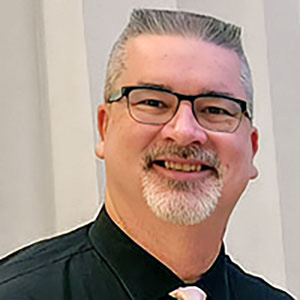
Jeffrey D. Butler, DO, FACOEP, FACEP, FAAEM, RDMS
Medical Director
Jeffrey D. Butler, DO, FACOEP, FACEP, FAAEM, RDMS, is a 1996 graduate of A.T. Still University’s Kirksville College of Osteopathic Medicine (ATSU-KCOM) in Kirksville, Missouri, and completed his Emergency Medicine Residency at Botsford General Hospital in Farmington Hills, Michigan, in 2000. After completing his residency and board certification, he completed a mini fellowship in Emergency Ultrasound at the University of California Irvine and is certified as a Registered Diagnostic Medical Sonographer.
He has been involved with educating students his entire career and began as an Adjunct Clinical Faculty at ATSU’s Arizona School of Health Sciences (ATSU-ASHS) in 2003. He serves as a Clinical Preceptor for Emergency Medicine and is actively involved with the Clinical Skills Labs and the integration of point-of-care ultrasound training. Dr. Butler transitioned into the Medical Director role in July 2024.
He is actively involved in the El Zaribah Shrine and is a member of the Clown Unit, where he goes by the name of Dr. Boo Boo.
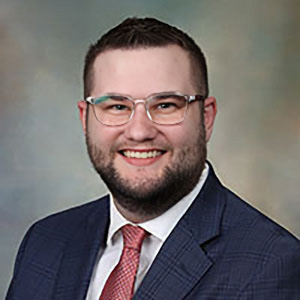
Clay Walker, PA-C
Assistant Professor, Director of Didactic Education
Clay Walker, PA-C, is the director of didactic education for the Physician Assistant program at A.T. Still University’s Arizona School of Health Sciences (ATSU-ASHS). He is a graduate of the Southern Illinois University School of Medicine PA Program and has practiced family medicine in both rural and metropolitan settings.
In addition to his academic role, Mr. Walker serves as an Assistant Professor of Family Medicine at Mayo Clinic Arizona, where he practices clinically, contributes to the Advanced Practice Clinician Family Medicine Fellowship, and is Chair of the Mayo Clinic Department of Family Medicine Research Initiative. His work focuses on preparing learners for clinical practice through applied, patient-centered education, and the advancement of PA research and publication. Mr. Walker is actively engaged in professional leadership at the state and national levels. He serves as President-Elect of the Arizona State Academy of Physician Assistants and represents Arizona in the American Academy of Physician Associates (AAPA) House of Delegates. He is also a member of the AAPA Commission on Continuing Professional Development and Education, contributing to institutional initiatives supporting advanced practice providers.
He is a frequent speaker at state, regional, and national conferences and has published in the Journal of the American Academy of Physician Assistants, Journal of Dermatology for Physician Assistants, Clinical Advisor, and Mayo Clinic Proceedings.
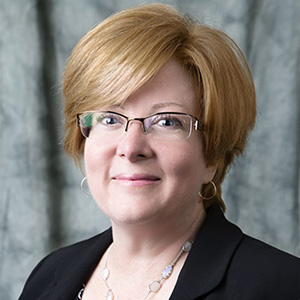
Annette Bettridge, EdD, PA-C, FNP
Assistant Professor
Annette Bettridge, EdD, PA-C, FNP, is a graduate of Stanford Primary Care Associate Physician Assistant and Family Nurse Practitioner program and A.T. Still University’s (ATSU) advanced Physician Assistant Studies masters program. Her 12 years of clinical experience includes primary care, occupational, and behavioral medicine. Her teaching focus is psychiatry and behavioral health.
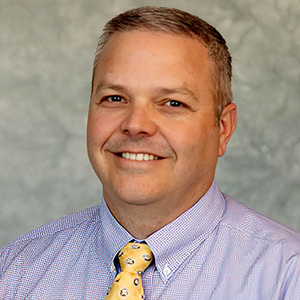
Thomas Hartman, DMSc, PA-C
Associate Professor
Thomas Hartman, DMSc, PA-C, is an assistant professor in the Physician Assistant (PA) program at A.T. Still University (ATSU) and serves as director of student progression and retention. He earned his Doctor of Medical Science (DMSc) degree from ATSU in 2021 and his Master of Science in Physician Assistant Studies in 2008.
Dr. Hartman brings over 17 years of clinical experience in emergency medicine, with additional training in wound care and hyperbaric medicine. He continues to care for patients with complex wounds at a regional wound care center. In his faculty role, Dr. Hartman focuses on fostering student success, retention, and professional development within PA education. He is passionate about supporting students from admissions through graduation.

Linda S. MacConnell, DMSc, MAEd, MPAS, PA-C
Linda S. MacConnell, DMSc, MAEd, MPAS, PA-C
Linda MacConnell, DMSc, MAEd, MPAS, PA-C, is a PA graduate of the University of Oklahoma/USAF program. She completed a PA residency in otolaryngology and has 30 years of clinical experience in primary care and otolaryngology. She also holds a Master of Education from the University of Phoenix. She is an instructor in the Clinical Medicine series and oversees Didactic Year Clinical Experiences. Dr. MacConnell has presented regularly at the Arizona and national PA conferences.
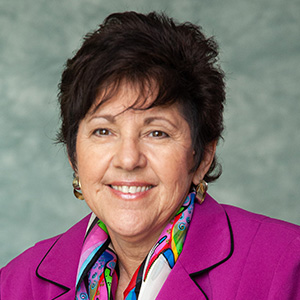
Lorie Weber, MS, PA-C
Director of Progression and Retention, Assistant Professor
Lorie Weber, MS, PA-C, is a native of Arizona and a graduate of the University of Arizona Health Sciences. She completed her physician assistant training at the University of Utah Physician Assistant Program in 1986.
Ms. Weber has enjoyed a long career in healthcare as a medical technologist, a physician assistant working in family medicine, community health, and urgent care, and as an administrator in hospice and palliative care. She has been a guest lecturer for the Oregon Hospice Association, the Oregon Physician Assistant Association, and Pacific University PA Program on hospice and palliative care. Ms. Weber continues to enjoy her work with hospice as a hospice inpatient volunteer.
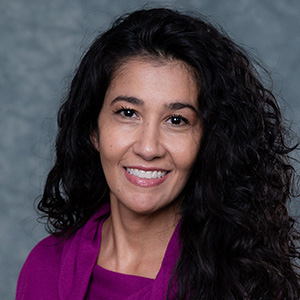
Ami Mikhail, MS, PA-C, CCMS
Assistant Professor/Clinical Coordinator
Ami Mikhail, MS, PA-C, CCMS, is a 2003 graduate of ATSU-ASHS’ PA Studies program. She completed her undergraduate degree in Kinesiology with an emphasis on pre-medicine, followed by her first master's degree in Sport Injury Management, where she also served as a human anatomy lab teaching assistant in the Kinesiology department. During her career as a PA, she has worked in orthopedic surgery and physical medicine and rehabilitation, with a special interest in integrative care, before joining as full-time faculty in the PA Studies program.

Sabrina Finklea-Strickland, MSN, FNP-BC, PHN, FCN[
Assistant Professor/Clinical Coordinator
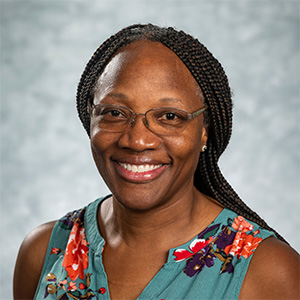
Sylvia Dory, MMS, PA-C
Sylvia Dory, MMS, PA-C
Sylvia Dory, MMS, PA-C, is a California native. She graduated from Midwestern University in Glendale, Arizona, in 2005. Before joining the ATSU-ASHS Physician Assistant (PA) program as a clinical coordinator, Sylvia spent over 17 years practicing emergency medicine at a Level 1 Trauma Center in Arizona. When she is not working, she spends time with family and friends.
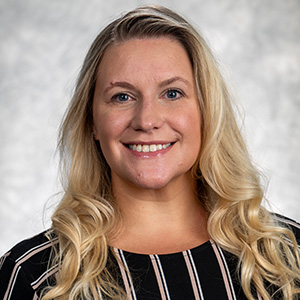
Sarah Walsh, MSPA, PA-C
Assistant Professor
Sarah Walsh, MSPA, PA-C, is a 2011 graduate of the University of Toledo Physician Assistant program. She has practiced within multiple specialties throughout her career, including family medicine, urgent care, emergency medicine, and occupational medicine. Ms. Walsh has always had a passion for education and was a high school teacher prior to becoming a PA. Her role within the program is course director in the Clinical Medicine series within the didactic year.
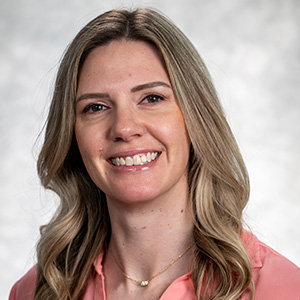
Sara Jiron, MSPA, PA-C
Director of Clinical Education and Assistant Professor
Sara Jiron MSPA, PA-C, is a Family Medicine specialist based in Mesa, AZ. She completed her Physician Assistant education in 2010 at Touro University Nevada. She graduated from the University of New Mexico with a BS in Exercise Science in 2007. Her recent roles include clinical coordinator at A.T. Still University’s School of Osteopathic Medicine in Arizona (ATSU-SOMA), starting in 2024. Previously, she worked as a Physician Associate/Assistant at Prescott Healthcare Solutions from 2023 to 2024 and at Gateway Family Medicine from 2012 to 2023.
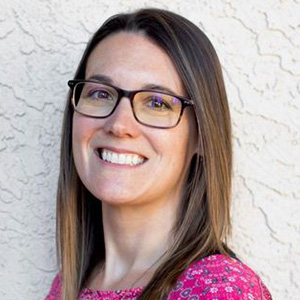
Alaina Vacco, MMS, PA-C
Clinical Coordinator
Alaina Vacco, MMS, PA-C, is a graduate of Midwestern University in Glendale. She originally hails from Illinois, but in 2010 re-established her roots in the Arizona desert. She has spent over a decade practicing in primary care and psychiatry. She has past experience with training PA students, operating as a Lead PA, and collaborating with a team of other providers to focus on holistic wellness approaches. Before her career as a PA, she volunteered as an EMT-B, functioning as both a supervisor and educator. She also has a background in literature, writing, and bioethics. Her academic interests include behavioral health and wellness, hormonal impact on medical and mental health, and integrating medical knowledge into a clinical setting. Outside ofwork, she spends time with her family, reads, and practices photography.

Victoria Smith, PA-C
Assistant Professor
Victoria (Viki) Smith, MSPAS, PA-C, is a Minnesota native and graduate of Des Moines University’s Physician Assistant program. She has 14 years of experience in emergency medicine and, within the past 3 years, has helped develop and launch a virtual provider-in-triage program to improve ER throughput and patient flow. Viki has spent the past five years teaching in PA education and has served as a dedicated preceptor for PA students early in her career. Her academic interests include clinical skills development, point-of-care ultrasound, wellness, and nutrition. Outside of medicine, Viki is an avid traveler (who prides herself on packing light), concertgoer, movie buff, Pilates novice and lifelong learner who enjoys reading and spending quality time with friends and family.
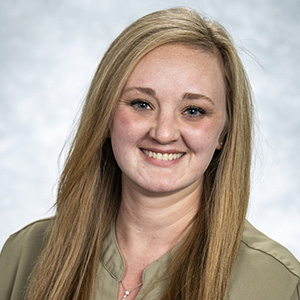
Courtney Winters, MMS, PA-C
Clinical Coordinator, Assistant Professor
Courtney Winters MMS, PA-C, is a 2014 graduate of the Northwestern University Physician Assistant Program in Chicago, Illinois. She earned her undergraduate degree in Biology with an emphasis in Medical Sciences, with dual minors in Chemistry and Spanish, from Southern Illinois University Edwardsville, where she completed the Honors Program and graduated Magna Cum Laude. She has served in various specialties throughout her clinical career, including family medicine, dermatology, medical bariatrics, and rheumatology. She also has extensive experience working in clinical documentation improvement and accuracy. Her professional interests include educating future clinicians, collaborative medicine, and improving patient access to care. As someone who was raised in a rural community herself, she is passionate about identifying and addressing the healthcare needs of rural and underserved communities.
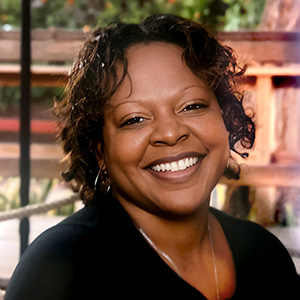
Rashida Grayson
Program Manager
Rashida Grayson is new to her career here at ATSU and brings an extensive background in education management and support. Having worked independently at a private school, managing a staff and student population of more than 160 for over eight years. This experience has given her ample knowledge and skills to assist with meeting the needs of faculty, staff, and students. Rashida enjoys spending her spare time baking, painting, and sharing time with family.
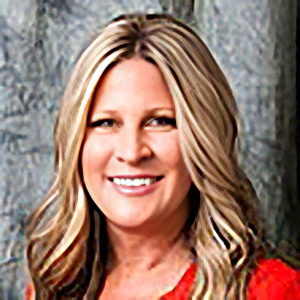
Cindy Becerra
Manager of Assessment and Technology
Cindy Becerra is the Clinical Education Manager of Assessment & Technology and has been with the Department of Physician Assistant Studies since 2009. She plays a key role in supporting second-year students during their clinical experiences, as well as providing support to faculty. She oversees the day-to-day operations of the clinical year, including student placements, supervision of clinical staff, data management, and administration of clinical-year management systems. In addition to her work with students and faculty, Ms. Becerra actively collaborates with the community by building and maintaining relationships with preceptors, conducting site visits, and supporting clinical site recruitment.
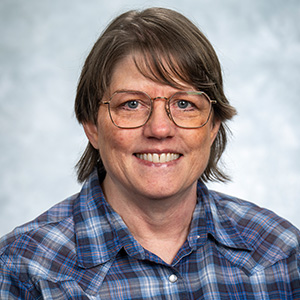
Bobbi Catton
Curriculum Coordinator
Bobbi Catton has a background in academic administrative support, surgery center regulatory administration, and medical/scientific journal publication. She began her career at ATSU in 2014 and joined the Physician Assistant program as the Curriculum Coordinator in 2017. Bobbi coordinates the scheduling of learning sessions within each didactic course and the delivery of teaching materials through the learning management system. Her primary objective is to assist in providing a superior education to tomorrow’s physician assistants.
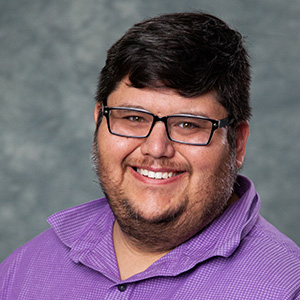
Nick Cross
Coordinator – PA Assessments
Nick Cross began his career at ATSU working for the School of Osteopathic Medicine in Arizona (ATSU-SOMA) for six years, where he focused on assessments. He joined the Arizona School of Health Sciences’ (ATSU-ASHS) PA Studies program in 2019, working with the didactic year curriculum and assisting with assessments and data.
In his spare time, Nick likes to spend time with his family and friends playing cooperative and board games.
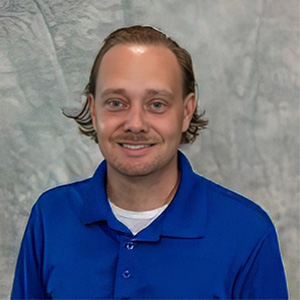
Jesse Thompson, MEd, NREMT
Simulation Specialist
Jesse Thompson, MEd, NREMT, is an Arizona and nationally registered emergency medical technician whose clinical experience spans emergency care for special-needs populations and large-scale community events.
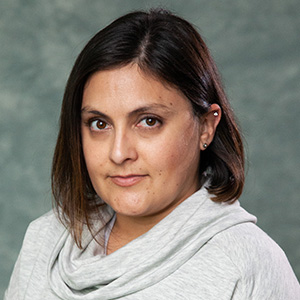
Gina Hirrill-Torres, MS
Curriculum Coordinator
Gina Hirrill-Torres joined the Department of Physician Assistant Studies in 2019. Gina graduated from Grand Canyon University with a bachelor’s in healthcare administration and holds a certificate in medical assisting from Pima Medical Institute. She has a substantial background in the medical field, having worked alongside medical providers, physician assistants, and nurse practitioners as a medical assistant, medical biller, and medical administrator. Gina is responsible for all aspects of the program related to admissions and administration.
In her spare time, Gina enjoys spending time with her family. She is a mother to a 10-year-old boy who plays tackle football and an 8-year-old girl who enjoys her time in competitive dance and tumbling.
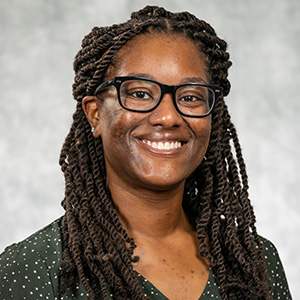
Ezoria Aisuan, MAHS
Rural Track Project Manager
Ezoria Aisuan earned her BA in psychology from Mississippi State University in 2017 and her master's in human services from the University of Arizona in 2021. She joined the ATSU Department of Physician Assistant Studies in 2022 and currently manages the Rural Track program, providing support to students training in rural communities. Ezoria is passionate about expanding access to healthcare education in underserved areas and enjoys supporting students throughout their clinical experiences. In her free time, she enjoys reading, spending time with her pup, and being with her loved ones.
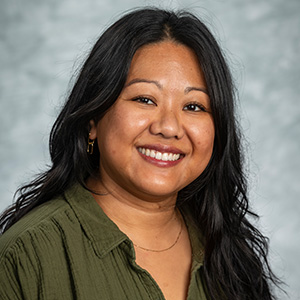
Annaly Phanhnolath
Clinical Administrative Support
Annaly Phanhnolath joined the ATSU Department of Physician Studies in 2023. She provides administrative and in-person support for the program and is largely responsible for coordinating and proctoring exams during the clinical year. Annaly enjoys being a source of support, collaborating with community health partners, and providing encouragement to students.

Marissa Chavez
Clinical Student Liaison
Marissa Chavez joined ATSU in May 2026 with over 10 years of healthcare administration experience, with the majority of her background rooted in orthopedic surgery. She is passionate about supporting students throughout their clinical education journey and helping create positive, organized, and meaningful learning experiences. Marissa values teamwork, communication, and building strong relationships with students, preceptors, and clinical sites. When she isn’t spending time with her son and daughter, Marissa enjoys working out, trying new coffee shops, and hiking Arizona mountains for sunrise and sunset views.
Tuition and fees
Tuition and fees for the Master of Science in Physician Assistant Studies program are designed to cover the cost of high-quality education and essential student services. In addition to tuition, students are responsible for a student technology fee, which helps support access to critical student resources. Please note that tuition rates and fees are subject to change. For the most up-to-date information, review the tuition and fees breakdown.
Financial services
Investing in your future is one of the most important steps you will take. ATSU can help you create a financially sound aid package that will let you focus on your education instead of worrying about how you will finance it. To learn more about your options, visit Enrollment Services or contact them at enrollmentservices@atsu.edu or call 660.626.2019.
Graduates who choose to serve in underserved communities may also have access to loan repayment opportunities. Many community health centers (CHCs) offer loan repayment programs for graduate PAs who choose to practice within their organizations. Additional opportunities may be available through programs such as the National Health Service Corps, as well as state and professional organizations, including the Arizona State Association of Physician Assistants.
Admissions
The Master of Science in Physician Assistant Studies program prepares participants to be leaders in the field. Prospective students should review these criteria to ensure a complete application. PA program applicants who earned a 3.5 GPA or higher in the ATSU MSBMS program and have met all prerequisite requirements for the ATSU-ASHS PA program are guaranteed an interview.
Applicants to the residential Master of Science in Physician Assistant Studies program must meet the following requirements before matriculation:
- Hold a baccalaureate degree or higher from an institution accredited by a U.S. Department of Education-recognized accreditor.
- Complete all prerequisite coursework with a grade of C or higher before the program begins.
- Earn a minimum cumulative GPA of 3.0 and a minimum science GPA of 3.0 on a 4.0 scale.
- Demonstrate proficiency in English. Information about acceptable methods for demonstrating English proficiency is available in the General Admissions section.
- Be a U.S. citizen, permanent resident, or F-1 visa holder.
- Demonstrate computer literacy. All coursework requires extensive computer usage, and accepted applicants will be provided laptop specifications.
- Meet the program's technical standards for admission and matriculation.
Applicants must also submit three letters of recommendation from professionals:
- An employer or supervisor.
- A healthcare practitioner, such as a physician, physician assistant, or nurse practitioner. A letter from a physician assistant is strongly recommended.
- A faculty member from whom the applicant has taken a course.
No advanced standing is provided.
All prerequisite coursework must be completed at an institution accredited by a U.S. Department of Education-recognized accreditor. Course and transcript equivalency evaluations will not be accepted.
Applicants must complete the following prerequisite coursework:
- Human anatomy with lab: Minimum 4 semester credits or 6 quarter credits. Completion within five years of the application date is recommended.
- Human physiology with lab: Minimum 4 semester credits or 6 quarter credits. Completion within five years of the application date is recommended.
- If you have completed a combined Anatomy and Physiology course, you must have completed two or more semesters, each with a lab, totaling 8 semester credits or 12 quarter credits.
- Microbiology: With or without lab; minimum 3 semester credits or 4 quarter credits. Completion within five years of the application date is recommended.
- Biochemistry: With or without lab; minimum 3 semester credits or 4 quarter credits. Completion within five years of the application date is recommended.
- General chemistry: With or without lab; minimum 4 semester credits or 6 quarter credits. Completion within five years of the application date is recommended.
- Psychology: Minimum 3 semester credits or 4 quarter credits.
- College statistics: Including introductory, business, or psychology statistics; minimum 3 semester credits or 4 quarter credits.
- English composition: Minimum 6 semester credits or 8 quarter credits, or 3 semester credits or 4 quarter credits of English composition plus 3 semester credits or 4 quarter credits of an English elective.
- Medical terminology: Minimum 1 semester or 1 quarter credit. A certificate does not satisfy this requirement; the course must appear on a college or university transcript.
Due to academic challenges related to COVID-19, pass/fail grades may be accepted for prerequisite coursework only when letter grades were no longer an option. Please review the FAQ section for more specific information.
Patient care experience and recommendations
Applicants must obtain a minimum of 500 hours of patient care experience, sufficient to recognize the physical and psychological demands of working with patients and to appreciate the challenges and rewards of being a healthcare professional.
The following are strongly recommended:
- A minimum of 100 hours of community service
- Shadowing a physician assistant
- Upper-division science coursework, such as genetics, immunology, pathophysiology, cell biology, or pharmacology
- 1,000 hours or more of patient care experience
ATSU-ASHS participates in the Centralized Application Service for Physician Assistants (CASPA), which allows applicants to submit a single application to multiple participating PA programs. All official transcripts and letters of reference are sent directly to CASPA as part of the application process.
The CASPA application cycle begins in mid-April of the academic year preceding the year in which the applicant plans to matriculate. Applicants must submit a completed application to CASPA by September 1. All secondary applications must be submitted by October 1 to be considered.
Program enrollment is based on a rolling admissions policy, and applications are reviewed in the order they are received. Because the number of seats in the program is limited, applicants are encouraged to apply early. Interviews are awarded on a competitive basis, and applicants considered potential candidates must interview with the ATSU-ASHS PA Studies program either in person or online.
Once ATSU-ASHS receives a completed CASPA application and determines that minimum requirements have been met, applicants will be notified by email to submit a $70 secondary fee for final processing. Upon receipt of the fee, the application receives full consideration by the program.
Applicants are responsible for notifying the Office of Admissions of any changes to their mailing or email address and should regularly check all email folders, including spam and junk folders, for communications from ATSU. Applicants who wish to withdraw their application must submit their request in writing.
Apply nowQuestions? Call 866.626.2878 or email admissions@atsu.edu
A candidate for a doctorate or master’s degree at ATSU-ASHS must possess abilities and skills in seven identified categories: observation; communication; motor; sensory; strength, mobility, and endurance; intellectual, (conceptual, integrative, and quantitative); and behavioral and social. These abilities and skills are defined in the section “Minimal technical standards for admission and matriculation,” available in the ATSU-ASHS section of the ATSU University Catalog. In addition, the DPAS has additional technical standards that students must meet, which include:
- Students must be able to observe and participate in all demonstrations, visual presentations in lectures and laboratories, and computer assisted instruction. In addition, students must be able to observe laboratory evidence and microbiologic cultures, microscopic studies of microorganisms, and tissues in normal and pathologic states.
- Students must be able to observe patients accurately and completely, both at a distance and closely. This ability requires functional vision, hearing, and somatic sensation.
- Students must be able to problem solve, collect, organize, prioritize, analyze, and assimilate large amounts of technically detailed and complex information within a limited time frame. This information will be presented in a variety of educational settings, including lectures, small group discussions, and individual clinical settings. Students must be able to analyze, integrate, and apply this information appropriately for problem solving and decision-making.
- Students must be able to comprehend three-dimensional relationships and the spatial relationships of structures.
- Students must have sufficient use of the senses of vision, hearing, and smell necessary in order to elicit information, perceive nonverbal communications, and describe changes in mood, activity, and posture in addition to the psychomotor abilities to allow the performance of all skills/tests in the physical exam. Students must be able to perform inspection, palpation, auscultation, and percussion.
- Students must be able to relate to patients and family members and establish an empathetic, professional, and effective relationship with patients and families including not only speech but reading and writing. ATSU DPAS Residential Student Program Guide 50 of 75.
- Students are expected to be able to communicate the results of the examination to the patient and to their colleagues with accuracy, clarity, and efficiency in oral, written, and electronic formats.
- Students are expected to possess the ability to work collaboratively with all members of the healthcare team.
- Students must have motor function sufficient to execute movements reasonably required to provide general care and emergency treatment to patients. Such skills require coordination of gross and fine muscular movements, equilibrium, and sensation.
- Students should be able to manipulate equipment and instruments to perform basic laboratory tests and procedures required to attain curricular goals (e.g. needles, stethoscope, ophthalmoscope, tongue blades, intravenous equipment, gynecologic speculum, and scalpel).
- Students must be able to transport themselves from one location to another in a timely fashion in order to facilitate patient care responsibilities and to receive educational training.
- Students must have the emotional health to fully use their intellectual ability, exercise good judgment, and complete all responsibilities attendant to the diagnosis and care of patients.
- Students must be able to tolerate physical, mental, and emotional stress in training and continue to function effectively.
- Students must possess qualities of adaptability, flexibility, and be able to function in the face of uncertainty. Students must have a high level of compassion for others, motivation to serve, integrity, and a consciousness of social values.
- Students must possess sufficient interpersonal skills to interact positively with people from all levels of society, all ethnic backgrounds, and all belief systems.
- Students must be able to accept criticism and respond by appropriate modification of behavior.
- Students are expected to be able to display appropriate judgment in the assessment and treatment of patients. In addition, students must be able to learn and demonstrate the ability to recognize limitations in their knowledge, skills, and abilities and to seek appropriate assistance with their identified limitations.
- Students are expected to possess perseverance, diligence, and consistency to complete the physician assistant curriculum and enter into the practice of medicine as a certified and licensed physician assistant.
ATSU offers additional pathways for eligible students from select partner institutions.
Pipeline to Practice Scholars
Pipeline to Practice (P2P) Scholars are individuals who have been endorsed by one of ATSU's partner institutions. P2P-endorsed applicants who meet all minimum requirements for admission to the ATSU-ASHS PA Studies program are granted an automatic admissions interview.
After successfully completing the didactic year in Mesa, students may receive preference for a federally qualified community health center placement near their partner university or college when an affiliated FQCHC site is available.
Current partner institutions include:
- Albany State University
- Arizona Western College
- Benedictine University
- Dillard University
- Dine College
- Fresno Pacific University
- Holy Cross College
- Langston University
- North Carolina Central University
- Ponce University
- Saint Augustine University
- Truman State University
Hometown Scholars
Hometown Scholars are individuals who live in and work or volunteer with a federally qualified community health center (FQCHC). To be considered for the program, applicants must obtain written endorsement from their FQCHC and submit the endorsement through the Hometown Scholar program.
Hometown Scholars who meet all minimum requirements for admission to the ATSU-ASHS PA Studies program are granted an automatic admissions interview. If accepted and after successfully completing the didactic year in Mesa, Arizona, Hometown Scholars will be assigned to their endorsing FQCHC if the program has a partnership agreement with that site. If the endorsing FQCHC is not a partner site, the student will enter the rotation placement process with other students.
Still Scholars
The Still Scholars program is available to students attending select partner institutions. Accepted students participate in a virtual course that runs concurrently with their junior and senior years. Successful completion of the program requirements, CASPA application, and interview process provides students with guaranteed consideration for the ATSU-ASHS PA Studies program.
Students may apply after their sophomore year of undergraduate study and no later than August 1. To be eligible, applicants must meet specific academic, prerequisite coursework, clinical experience, community service, and professional development requirements.
Students selected for the program must maintain satisfactory academic progress, complete the required Still Scholars coursework and meetings, continue to develop clinical and community service experience, and meet all admissions and technical standards before matriculation.
Still Scholar partner institutions:
- North Carolina Central University
- Saint Augustine University
We invite you to explore A.T. Still University's Mesa, Arizona, campus, where innovative healthcare education and hands-on learning come together in a vibrant desert community. With a collaborative learning environment, access to diverse clinical experiences, and a location in the heart of the Phoenix metropolitan area, Mesa offers an exceptional setting to pursue your future in healthcare.
Experience life in Mesa and discover how ATSU's Arizona campus prepares students to become compassionate, community-focused healthcare professionals. Learn more about visiting ATSU's Mesa campus.
PA careers and outcomes
PAs practice in nearly every area of medicine, including family medicine, internal medicine, emergency medicine, pediatrics, obstetrics and gynecology, surgery, and surgical specialties such as orthopedics, as well as psychiatry. Many PAs also pursue careers in education, government, administration, and research.
PA employment opportunities
Employment opportunities for PAs are abundant, and many students receive employment offers from preceptors during their clinical rotations.
According to the American Academy of Physician Associates (AAPA), the most common areas of practice include:
- Primary Care 15.7%
- Orthopedic surgery 10.8%
- Emergency Medicine 6.8%
- Internal Medicine 5%
- Urgent Care 4.9%
- Dermatology 3.6%
- Cardiology 3.1%
- Hospital Medicine 2.8%
PA earnings potential
According to the AAPA, the median annual salary for physician assistants is $135,548. Salary can vary based on experience, education, geographic location, area of practice, and other factors.
Resources for exploring available physician assistant job opportunities include:
The first-time pass rate for the Class of 2025 was 92%.
| Class of 2024 | Class of 2025 | Class of 2026 | |
|---|---|---|---|
| Maximum entering class size (as approved by ARC-PA) | 70 | 100 | 100 |
| Entering class size | 71 | 100 | 100 |
| Graduates | 66 | 95 | 96 |
| *Attrition rate | 7.04% | 6% | 4% |
| **Graduation rate | 92.95% | 95.00% | 96% |
| For CO2024, The total entering class was 71 students. This total reflected one student who was in the Class of 2023 cohort that was granted deceleration in February after the full cohort for Class of 2024 had been accepted during the admissions process. This student returned to the program with the Class of 2024, resulting in a total entering class size of 71. | |||
*Attrition rate calculation: Number of students who attrited from cohort (decelerated + withdrawals + dismissals) divided by the (entering class size + number joining class cohort).
**Graduation rate calculation: Number of cohort graduates divided by the (entering class size + number joining class cohort).
Students, alumni, and industry experts
When you gain entry to the PA Studies program, you become part of a community dedicated to whole person healthcare and the advancement of the healthcare profession. Connect with our students, alumni, and faculty to hear how their experiences with ATSU have propelled their careers.
From white coats to graduation caps
Students and graduates reflect on their experience at ATSU with unforgettable moments and milestones.
Frequently asked questions
Graduating students receive a Master of Science degree in Physician Assistant Studies.
ATSU-ASHS’ PA Studies program is 26 months in length and begins annually in July. The first 14 months of the program consist of didactic and laboratory work, followed by 12 months of clinical rotations. During the clinical rotation component, students also complete a capstone paper or project.
Please refer to the ATSU University Catalog for information about required courses and credit hours.
No. The entry-level Physician Assistant program is offered in a residential format.
Completed applications must be submitted through the Centralized Application Service for Physician Assistants (CASPA). Applications cannot be submitted directly to ATSU.
The CASPA application cycle begins in mid-April of the academic year preceding the year in which the applicant plans to matriculate. Program enrollment is based on a rolling admissions policy, and applications are reviewed in the order in which they are received. Applicants are encouraged to apply early.
Applicants who meet minimum requirements will be notified by email to complete a secondary application and pay the secondary fee for final processing. Please refer to the CASPA application instructions for specific details about completing your application, required documents, and processing time.
All prerequisite coursework does not need to be completed at the time of application. It is common for candidates to be finishing one or two prerequisite courses when they apply. However, all prerequisites must be successfully completed before the PA program begins in July.
Community college courses may be used to meet admissions prerequisites. However, it is strongly recommended that the majority of prerequisite coursework be completed at a four-year institution. Students are also encouraged to demonstrate their ability to handle rigorous academic coursework through upper-division science courses.
A course in exercise physiology does not satisfy the human anatomy and physiology prerequisite.
The program does not accept AP credits for prerequisite courses, with the exception of English.
Accreditation
A.T. Still University of Health Sciences is accredited by the
Higher Learning Commission
230 S. LaSalle Street, Suite 7-500,
Chicago, IL 60604
Phone: 800.621.7440
Fax: 312.263.7462
Email: info@hlcommission.org
Web: hlcommission.org
The Accreditation Review Commission on Education for the Physician Assistant, Inc. (ARC-PA) has granted Accreditation-Continued status to the Arizona School of Health Sciences Physician Assistant program sponsored by A.T. Still University. Accreditation-Continued is an accreditation status granted when a currently accredited program is in compliance with the ARC- PA Standards. Accreditation remains in effect until the program closes or withdraws from the accreditation process or until accreditation is withdrawn for failure to comply with the Standards. The approximate date for the next validation review of the program by the ARC-PA will be April 2034. The review date is contingent upon continued compliance with the Accreditation Standards and ARC-PA policy. The program’s accreditation history can be viewed on the ARC-PA website at ARC-PA website.