QUICK LINKS:
Overview Curriculum Faculty & staff Tuition Admissions Careers & outcomes Student experience AccreditationLead with every smile
A.T. Still University’s Doctor of Dental Medicine (DMD) program at the Arizona School of Dentistry & Oral Health (ATSU-ASDOH) is a four-year, in-person program designed to prepare future dentists as skilled clinicians and community-focused leaders. The curriculum blends biomedical sciences, hands-on simulation, and early clinical experiences, with students progressing from foundational coursework and dental simulations in the first two years to patient care in on-campus and community-based health centers in the final years. With a strong emphasis on public health, whole person care, and real-world practice, ATSU’s DMD program equips graduates to serve diverse populations and lead across public, nonprofit, and private oral healthcare settings.
Program details
ATSU-ASDOH’s Doctor of Dental Medicine program features an innovative curriculum that includes state-of-the-art facilities and simulation technology, service-learning experiences, and leadership training. The curriculum interweaves core disciplines across human systems, preclinical, and dental sciences, with a strong emphasis on the application of clinical medicine and clinical dentistry.
Students build knowledge and clinical skills through systems- and case-based learning, simulation, clinical environments, and community-based experiences. With a focus on whole person healthcare and improved access to care, graduates are prepared as patient-centered clinicians, community-focused providers, and lifelong learners.
The ATSU-ASDOH Curriculum Committee, composed of faculty across program components, meets regularly to evaluate and align program content with core competencies and strategic goals, ensuring the curriculum evolves with the needs of dental education.
Guiding principles of the curriculum
- Create a more adaptable curriculum to support ongoing change
- Expand innovative curricular approaches across the program
- Adapt to the transition from NBDE to INBDE, emphasizing integrated learning
Student-centered enhancements
- Decompressed curriculum with reduced high-stakes exams and increased formative feedback
- Early clinical exposure beginning in year one
- Completion of required competencies by the end of year three
- Expanded fourth-year experiences, including leadership, community rotations, and electives
Innovation & lifelong learning focus
- Enhanced digital dentistry and practice management content
- Emphasis on professional development and individualized learning plans
- Group practice framework with cross-year teams and mentorship
- Increased student and faculty engagement through development opportunities
DMD course schedule breakdown
| D1a | D1b | D2a | D2b | D3a | D3b | D4a | D4b |
|---|
| Fundamental of Patient Management | |||||||
| Basic Science Core | |||||||
| Body Systems | Patient Management Cases | ||||||
| Dental System | |||||||
| Clinical Dentistry | |||||||
| Clinic | |||||||
| Operative | |||||||
| Prosthodontics | |||||||
| Specialties | |||||||
| Community Dentistry | |||||||
| Professional Development and Practice Management | |||||||
Upcoming events
Connect with our ATSU-ASDOH faculty and staff at any of these upcoming events or join one of our live virtual information sessions to learn more about the DMD program.
Flexible curriculum for aspiring leaders
ATSU’s DMD program curriculum begins with foundations of dental medicine, which is a semester of orientation to all the sciences supporting clinical dental medicine. The curriculum transitions to a patient-centered systems model in which all student learning is clinically contextualized. For instance, human sciences and treatment planning are taught alongside the principles of evidence-based dentistry and the examination and diagnosis of patients. For more details about the DMD program and the University, check the University Catalog.
Curriculum overview:
Year one credit hours: 92
Year two credit hours: 82
Year three credit hours: 66
Year four credit hours: 56
Total credit hours: 296
DOWNLOAD PROGRAM FACT SHEETIn addition to earning a DMD degree, all ATSU-ASDOH students earn a Certificate in Dental Public Health core concepts, taking the following courses (subject to change):
- Introduction to Dental Public Health
- Behavior Science and Educational Concepts
- Dental Epidemiology
- Dental Healthcare Policy and Management
- Financing Dental Care
The first course in the certificate program is taken at the beginning of the second semester in the first year. Courses are quarter-based and offered online in 10-week sessions through ATSU’s College of Graduate Health Studies (ATSU-CGHS). These courses, in addition to the dental school curriculum, provide students with a broad exposure to public health and program planning, equipping students for service to underserved populations and community-based learning in the fourth year.
ATSU’s Arizona School of Dentistry & Oral Health (ATSU-ASDOH) and ATSU’s College of Graduate Health Studies (ATSU-CGHS) have joined together to offer dental students the unique opportunity to earn both their DMD and Master of Public Health – Dental Emphasis (MPH-D) degrees during their four years in dental school.
All ATSU-ASDOH students receive a Graduate Certificate in Dental Public Health as part of their dental school curriculum. The certificate consists of five classes from the MPH-D program, and these courses are included in the student’s ATSU-ASDOH tuition.
Students who wish to complete the Master of Public Health – Dental Emphasis program need to take 10 additional courses, (in addition to the five noted above for the Graduate Certificate in Public Health) for a total of 15 courses. The opportunity to continue with the remaining 10 MPH-D courses begins at the start of the third year of dental school. All courses outside of the five certificate courses are the financial responsibility of the student.
Dual degree program highlights:
- All class work is completed 100 percent online
- Instruction incorporates directed readings, chat room discussions, and scholarly papers
- Courses are offered on a quarterly basis
Professionals trained in dental public health are well equipped to work in community health centers, institutes of higher education, non-profit organizations, and local, state, and national government. For more information, contact us at lbonnel@atsu.edu.
Doctor of Dental Medicine courses
In the first two years, courses prepare students for the curriculum expected during the clinical rotation experience. During the third and fourth years, onsite and local clinical rotations are the focus. The clinical curriculum is comprised of labs, didactics, workshops, and advanced care procedures; then the students choose regional rotation sites.
A typical course schedule for the first year consists of the following.
Fall semester
27 Credits
Medical Microbiology and Immunology: This submodule introduces the dental student to the biology of microbes - viruses, bacteria, fungi, protozoa, and helminths - with an emphasis on medical microbiology. Essential microbial physiology, genetics and immunology are presented with medically important microbial infections discussed from the standpoint of etiology, epidemiology, pathogenesis, and prevention.
Oral Microbiology: This submodule introduces dental students to the fundamentals of oral microbiology, with a focus on oral microbial ecology, the dental plaque biofilm, the microbiology of dental caries and periodontal disease, and microbial approaches for preventing oral diseases. This submodule is designed to follow directly from Medical Microbiology and Immunology, and to build directly on the knowledge and concepts learned in those submodules. This submodule is designed to analyze major mechanisms of important oral infectious diseases and the resultant useful and harmful responses of the host. The focus is on understanding underlying processes using key example oral diseases to give depth for evaluating microbial virulence mechanisms. This basic material will help students connect with future basic science and clinical experiences, and locate and evaluate new information concerning past, present and future oral infectious diseases and their treatments. The submodule starts with an overview of oral immunology and microbiology. Then it progresses through an analysis of key oral viral and fungal diseases, followed by oral ecology and biofilms. This is followed by the microbiology of gingivitis, periodontal & endodontic diseases. The submodule ends with the microbiology of dental caries, starting with an examination of basic tooth structure (e.g., hydroxyapatite) as well as saliva composition, and their relationship to lesion development. Key aspects of the microbiology of dental caries, with emphasis on understanding oral biofilms are next addressed. Several important anti-caries therapies, both current and potential, are examined in detail. The submodule emphasizes oral bacterial biofilms and plaque-related microbial diseases.
Craniofacial Embryology: This submodule studies the structure, function and development of the craniofacial complex with emphasis on microscopic anatomy of the epithelia, teeth, salivary glands, tongue and tonsils.
Craniofacial Histology: This submodule studies the histology and basic physiology of the integument, connective tissues bone and muscle of the craniofacial complex.
Physiology: This submodule covers the fundamental concepts related to normal physiology that will be covered in greater detail within each body system.
Clinical Pathology: This submodule covers more in depth first the clinical pathology associated with each of the systems discussed in previous submodules and later relates the pathology to their effect on the body systems, oral cavity and oral conditions.
Pharmacology: This submodule introduces the dental student to basic principles of pharmacology and related applications to the prevention and treatment of oral and systemic diseases. The course integrates and reinforces the basic science material by combining the clinical aspects of the pathology of a certain system, its oral manifestations and dental management with the pharmacological basis for its treatment. Using patient cases to illustrate these concepts, students analyze medical histories to discuss the dental implications of the specific pathology, while emphasizing its pharmacological management.
Metabolism: This submodule presents the biochemical concepts and metabolic pathways involved in basic human systems. It integrates metabolic pathways with concepts of cell biology and physiology by focusing on the function on the pathways, the cellular and organ localization of the pathways, and how they are regulated and coordinated with each other.
Genetics: Given the extensive developments regarding the genetic basis for oral disease, dental genetics is presented to develop a basic understanding of genetics and its link to oral conditions.
Body Systems - Musculoskeletal: This module examines the musculoskeletal and articular systems from a gross anatomical viewpoint focusing on the upper extremities, skull, and vertebral column. Additionally, the cranial nerves will be introduced along with the clinically-relevant gross anatomy of the thorax will be outlined and discussed. By necessity of the topic, some human physiology will also be discussed where necessary.
Body Systems - Hematology: The histology, function and clinical application of blood and its components are presented in this module. Immune functions of blood will be detailed in a subsequent module.
Body Systems - Endocrinology: The endocrine system presents the first organ-centric system. The basic anatomy, physiology, pathophysiology and clinical applications of the endocrine systems are presented.
Body Systems - Cardiovascular: This module will cover core principles in the complexities of the cardiovascular system in its various roles (maintenance of cardiac output, mean arterial pressure, hemostasis; and the pathophysiology of cardiovascular system disease, etc.). A core knowledge base will be presented and problem solving skills, information retrieval skills, and teamwork will be encouraged.
Dental System - Head & Neck Anatomy: This module is a comprehensive treatment of the clinical gross anatomy of the head and neck as well as a detailed discussion of the cranial nerves applicable to the practice of dentistry.
Professionalism: The purpose of this module is to impress upon students the importance of professional behavior in their lives and careers.
Cultural Proficiency: The Cultural Proficiency Module is designed to equip students with the necessary knowledge, skills, and practices to cultivate cultural proficiency in professional dental settings. Via the use of class discussions, activities, self-reflection exercises, and other active learning techniques, students are introduced to the concept of Cultural Proficiency including its meaning, guiding principles, essential elements, the Cultural Proficiency Continuum, and barriers to cultural proficiency development. Students also learn various methods, techniques, and models to better understand the dynamics of cross-cultural interaction and to bridge communication barriers with diverse populations.
16 Credits
Introduction to Clinic: This module is intended to be a “break” from the intense biomedical science modules during that semester and to introduce principles and concepts in dentistry fundamental to the understanding of the pre-clinical curriculum. Topics of instruction in this module include Introduction to Dental Anatomy and Terminology, History of Dentistry, Introduction to Research and Evidence Based Dentistry, Public Health, Ethics, Dental Business, Radiology, Behavioral Science, Introduction to Preventive Dentistry, and Simulation Clinic exercises to introduce the manual dexterity and basic operative skills that will be necessary for the pre-clinical courses.
Infection Control: Covers the topic of the use of appropriate infection control precautions to protect against transmission of blood-borne and other occupational microbial pathogens utilizing evidence-based infection control and safety policies and practices.
Operative Dentistry (Dental Anatomy and Dental Materials): This module will introduce the students to the basic theory and techniques of operative dentistry. Students will have the opportunity to combine the theoretical understanding and integration of clinical skills with medical science knowledge, develop technical skills in operative dentistry through the learning of basic intracoronal preparation and restorations in single teeth, investigate evolving technology, material science, and research, perform self-assessments, and develop a their professional conduct, attitude and appearance. The module will provide students the opportunity to apply clinical and professional skills in a simulated practice environment. Includes dental anatomy, which discusses the morphology and nomenclature of individual teeth of the primary and permanent dentition, as well as eruption patterns. External and internal crown and root morphology of both the permanent and primary dentitions will be presented. Dental Materials is also part of this module and will introduce students to fundamental principles and concepts of dental materials science. The four categories of materials, ceramics, composites, metals and polymers, will be discussed by giving examples of commonly used dental materials. Each material will be evaluated in terms of their molecular structure and physical, mechanical, chemical and biological properties. These materials will subsequently be reviewed from a practical practicing viewpoint as they are later presented in specific clinical-type disciplines.
Occlusion and Articulation: Students are presented with descriptions and illustrations of mandibular positions and movements related to guidance by the teeth and joints and to neuromuscular mechanisms underlying mastication and swallowing. Static contacts and pathways from these contacts are presented in lecture and in laboratory exercises. Periodontal response to occlusal forces, both normal and pathologic, are related to cusp-fossa excursions and to occlusal schemes.
Specialties - Periodontics: This course focuses on the application of basic sciences to clinical problems in periodontology. Students will be able to focus on the classification of periodontal diseases, diagnosis and management of periodontal diseases and non-surgical and surgical treatment. Emphasis will be placed on etiology, pathogenesis, treatment modalities and therapeutic and preventive periodontics in a clinical setting. Students will be able to support their treatment decisions with evidence-based literature.
3 Credits
Service Learning (Dentistry in the Community): Students participate in service learning opportunities in the community as part of the community dentistry curriculum.
Spring semester
10 Credits
Body Systems - Respiratory: This module will cover the principles of the respiratory system with its functions (blood gases and exchange of materials with tissues; pathophysiology of respiration and pulmonary disease, etc.).
Body Systems - Neuroscience: This module covers the central nervous system, peripheral nervous system, cranial nerves, special sensory and autonomic nervous system which will be explored in terms of their structure, function, dysfunction, and clinical relevance to medicine and dentistry.
Dental System - Head and Neck Anatomy: This module is a comprehensive treatment of the clinical gross anatomy of the head and neck as well as a detailed discussion of the cranial nerves applicable to the practice of dentistry.
Professionalism: The purpose of this module is to impress upon students the importance of professional behavior in their lives and careers.
Cultural Proficiency: The Cultural Proficiency Module is designed to equip students with the necessary knowledge, skills, and practices to cultivate cultural proficiency in professional dental settings. Via the use of class discussions, activities, self-reflection exercises, and other active learning techniques, students are introduced to the concept of Cultural Proficiency including its meaning, guiding principles, essential elements, the Cultural Proficiency Continuum, and barriers to cultural proficiency development. Students also learn various methods, techniques, and models to better understand the dynamics of cross-cultural interaction and to bridge communication barriers with diverse populations.
33 Credits
Introduction to Clinic: During the orientation period, students will have initial experiences working in the clinical setting to familiarize themselves with clinic protocols, infection control procedures, ergonomics, assisting, taking and recording vitals. Students will be introduced to the rationale and application of ergonomic principles related to performing restorative dentistry when using dental auxiliaries. Students will learn the basic principles of four-handed dentistry and apply that learning in the clinical setting. There will be classroom and preclinical activity focused on strategies for maximizing the abilities of dental auxiliaries so as to provide a safe and productive clinical setting. Legal and ethical considerations of dental auxiliary training, employment and management will also be discussed.
Operative Dentistry (Dental Anatomy and Dental Materials): This module will introduce the students to the basic theory and techniques of operative dentistry. Students will have the opportunity to combine the theoretical understanding and integration of clinical skills with medical science knowledge, develop technical skills in operative dentistry through the learning of basic intracoronal preparation and restorations in single teeth, investigate evolving technology, material science, and research, perform self-assessments, and develop a their professional conduct, attitude and appearance. The module will provide students the opportunity to apply clinical and professional skills in a simulated practice environment. Includes dental anatomy, which discusses the morphology and nomenclature of individual teeth of the primary and permanent dentition, as well as eruption patterns. External and internal crown and root morphology of both the permanent and primary dentitions will be presented. Dental Materials is also part of this module and will introduce students to fundamental principles and concepts of dental materials science. The four categories of materials, ceramics, composites, metals and polymers, will be discussed by giving examples of commonly used dental materials. Each material will be evaluated in terms of their molecular structure and physical, mechanical, chemical and biological properties. These materials will subsequently be reviewed from a practical practicing viewpoint as they are later presented in specific clinical-type disciplines.
Specialties - Radiology: This module will describe the principles of radiographic image acquisition for intraoral and panoramic x-ray modalities, radiobiology, radiation safety, recognition of radiographic anatomy, and interpretation of radiographic pathoses.
Specialties - Periodontics: This course focuses on the application of basic sciences to clinical problems in periodontology. Students will be able to focus on the classification of periodontal diseases, diagnosis and management of periodontal diseases and non-surgical and surgical treatment. Emphasis will be placed on etiology, pathogenesis, treatment modalities and therapeutic and preventive periodontics in a clinical setting. Students will be able to support their treatment decisions with evidence-based literature.
Fundamentals - Dental Anesthesia: This module covers concepts and techniques related to the administration of local anesthetic agents and nitrous oxide. Course content includes a comprehensive review of pharmacologic agents used to obtain topical and local anesthesia, and nitrous oxide-oxygen analgesia; risk assessment performed during the medical history review; patient selection criteria for choosing appropriate pain management strategies; prevention and treatment of medical emergencies; and patient management during anesthesia and nitrous oxide-oxygen analgesia.
Prosthodontics - Fixed Prosthodontics: This module presents an overview of clinical procedures associated with both single unit and fixed partial denture restorations. The primary topics will focus on diagnostic, clinical and theoretical considerations for all-gold, metal-ceramic and all-ceramic single unit restorations with preparation and framework design for metal based fixed partial dentures. To improve understanding of the fabrication process, dental materials utilized in the fabrication and delivery of each restoration type will be summarized. The student will be able to discuss and assess each procedure performed. This module also includes the fixed prosthodontics lab, which presents an overview of laboratory procedures associated with both single unit and fixed partial denture restorations. The primary topics will focus on diagnostic, clinical and theoretical considerations for all-gold, metal-ceramic and all-ceramic single unit restorations with preparation and framework design for metal based fixed partial dentures. To improve understanding of the fabrication process, dental materials utilized in the fabrication and delivery of each restoration type will be summarized. The student will be able to discuss and assess each procedure performed.
1 Credits
Service Learning (Dentistry in the Community): Students participate in service learning opportunities in the community as part of the community dentistry curriculum.
A typical course schedule for the second year consists of the following.
Fall semester
11 Credits
Pharmacology: This course expands upon the basic principles of pharmacology taught in Basic Science Core Pharmacology. Content includes the rationale for use of specific drugs, drug indications/contraindications and drug interactions of major drug classes used to treat common systemic conditions, with an emphasis on drug classes of significance to dentistry. Topics include antibiotics, analgesics, drugs used for neuropsychiatric conditions, and drugs used to manage/treat cardiovascular disease. Basic principles of toxicology are reviewed, with an application to chemotherapy and radiation therapy used to treat cancer. In addition, students learn basic principles of prescription writing with application to prescribing in dentistry.
Body Systems - Gastrointestinal System: This module will demonstrate core principles in the complexities of the Digestive System in its various roles (digestion, absorption, transport at the molecular level, motility, the mucosal immune system, pathophysiology of digestive system disease, etc.). A core knowledge base will be presented and problem solving skills, information retrieval skills, and teamwork will be encouraged.
Body Systems - Genitourinary: This module will demonstrate core principles in the renal and urinary tract. It will cover the normal physiology, pathology, pharmacology and other details related to diseases in this area. Essentials related to male and female reproduction will also be covered.
Dental System - Head and Neck Anatomy: This module is a comprehensive treatment of the clinical gross anatomy of the head and neck as well as a detailed discussion of the cranial nerves applicable to the practice of dentistry.
Practice Management: The purpose of this module is to convey knowledge in dental management and economics. The program is designed to provide basic skills in business decision-making and practice management. The curriculum deliberately promotes early consideration of certain unexplored and unfamiliar personal and dental practice issues to allow sufficient time to build awareness, knowledge, and mindset for required competencies. In the Dental Practice Ready (DPR) program utilized for much of the content delivery and assessment, Level 1 describes career opportunities, introduces strategic planning as a way to address personal and professional challenges, and creates familiarity with financial statements and procedures. Levels 2 and 3 use the strategic planning and finance principles learned at Level 1 to develop problem-solving skills needed when practicing dentistry in the real world as owners, associates, employees, public administrators, or military personnel. Level 4 concludes the dental practice program. It offers advice on how to select a practice location, addresses many frequently asked questions on the transition to practice, introduces sources of information on financial and economic trends that affect the dental profession, and guides the application of knowledge and skills acquired in previous years to produce a professional business plan that could be used in attaining financial support for starting a dental practice.
30 Credits
Introduction to Clinic: During the orientation period, students will have initial experiences working in the clinical setting providing a variety of diagnostic, preventive, and anesthesia related procedures to each other while learning to operate and maintain the clinic equipment. Rotations through sterilization and locating equipment, supplies and the procedure for checking out equipment will also be included.
Operative Dentistry: This module is a continuation of the Operative Dentistry (D1) module. This module will expand the students’ knowledge of the theory and techniques of operative dentistry. Students will have the opportunity to combine the theoretical understanding and integration of clinical skills with medical science knowledge, develop properly sequenced treatment plan, develop technical skills in operative dentistry through learning more about intracoronal preparation and restorations in single teeth, develop clinical judgment, perform self-assessments, and develop their professional conduct, attitude and appearance. The module will provide students the opportunity to apply clinical and professional skills in a simulated practice environment.
Prosthodontics - Removable Partial Prosthodontics (RPD): This module is designed to teach students a working nomenclature as well as the necessary design principles for fabricating and delivering high quality removable partial dentures (RPD’S). Students will design eight different RPD’S and learn to write laboratory work authorizations for good laboratory communication.
Prosthodontics - Fixed Partial Dentures: This module presents an overview of clinical procedures associated with both single unit and fixed partial denture restorations. The primary topics will focus on diagnostic, clinical and theoretical considerations for all-gold, metal-ceramic and all-ceramic single unit restorations with preparation and framework design for metal based fixed partial dentures. To improve understanding of the fabrication process, dental materials utilized in the fabrication and delivery of each restoration type will be summarized. The student will be able to discuss and assess each procedure performed. This module also includes the fixed prosthodontics lab, which presents an overview of laboratory procedures associated with both single unit and fixed partial denture restorations. The primary topics will focus on diagnostic, clinical and theoretical considerations for all-gold, metal-ceramic and all-ceramic single unit restorations with preparation and framework design for metal based fixed partial dentures. To improve understanding of the fabrication process, dental materials utilized in the fabrication and delivery of each restoration type will be summarized. The student will be able to discuss and assess each procedure performed.
Specialties - Endodontics: This course expands upon the dental pulp module in the first year and introduces endodontic treatment technique and procedures. The goal of the pre-clinical endodontic program is to prepare the student to understand, recognize, diagnose and successfully treat diseases of and injuries to the pulp and periapical tissues. Management of common clinical endodontic problems that may be encountered in the practice of general dentistry will be emphasized.
Specialties - Radiology: This module will describe the principles of radiographic image acquisition for intraoral and panoramic x-ray modalities, radiobiology, radiation safety, recognition of radiographic anatomy, and interpretation of radiographic pathoses.
Prosthodontics - Complete Removable Prosthodontics: In this module students will learn and apply the clinical skills necessary to create high quality complete dentures as well as nomenclature and concepts relevant to complete dental fabrications. This module includes the Complete Removable Prosthodontics lab, where students will learn and apply the laboratory skills necessary to create high quality complete dentures as well as nomenclature and concepts relevant to complete dental fabrications.
Specialties - Pediatric Dentistry: This module will introduce and examine the clinical, operative and behavior management issues relating to Pediatric dentistry.
Specialties - Oral Maxillofacial Surgery: This course is an introductory level didactic presentation of the fundamental concepts of oral and maxillofacial surgery. Emphasis is placed on the fundamental skills of oral surgery which apply to the practice of general dentistry.
1 Credits
Service Learning (Dentistry in the Community): Students participate in service learning opportunities in the community as part of the community dentistry curriculum. Students also learn fundamentals of synchronous and asynchronous Telehealth concepts including use of technologies and tools to support teledentistry use.
Spring semester
15 Credits
Patient Management Cases - Oral Medicine: The purpose of this module is to enable students to develop the logical thought processes needed for comprehensive, problem-oriented treatment planning for adult and medically complex patients. Previous didactic information will be utilized as the student applies this knowledge to the assessment and organization of specific patient data using a case-based approach to learning. Students will work in groups to prepare several diagnoses and problem lists needed to plan sequenced treatments. Students will also be provided a basic understanding of how various medical disorders can affect oral health and the delivery of dental care. This module is designed to provide students with a basic understanding of how various medical disorders can affect oral health and the delivery of dental care. In addition to learning basic information about common medical conditions, the student learns the process of risk assessment, pharmacologic management, and treatment planning considerations for patients with common medical disorders. Emphasis is placed on studying and researching various information resources, including current clinical practice guidelines.
Patient Management Cases - Oral Pathology: This module provides a comprehensive overview of the variety of diseases and conditions, common and uncommon, which could be encountered in patients seen in a routine dental practice. It encompasses the application of basic principles of pathology orally as well as recognition of pathologic conditions unique to the mouth as well as oral manifestations of systemic disease. This module provides a comprehensive understanding of the etiology, pathogenesis, clinical features and treatment of the myriad of diseases/conditions affecting the oral cavity and head and neck.
Patient Management Cases - Special Care Dentistry: This course integrates basic disease processes, epidemiology, demographics, treatment planning, and principles of providing dental treatment for individuals with a wide variety of special needs. These include patients with physical, medical, developmental, and cognitive conditions, which limit the patients’ ability to receive routine oral care. In addition, this course will provide oral health professionals with tools to assess the needs of older adults, analyze their often complex medical, physical, and social situations, and provide optimum treatment for each individual.
Patient Management Cases - Treatment Planning: The purpose of this module is to enable students to develop the logical thought processes needed for comprehensive, problem-oriented treatment planning for adult and medically complex patients. Previous didactic information will be utilized as the student applies this knowledge to the assessment and organization of specific patient data. Students will work in groups to prepare several diagnoses and problem lists needed to plan sequenced treatments. Students will also be provided a basic understanding of how various medical disorders can affect oral health and the delivery of dental care. This module is designed to provide students with a basic understanding of how various medical disorders can affect oral health and the delivery of dental care. In addition to learning basic information about common medical conditions, the student learns the process of risk assessment and treatment planning considerations for patients with typical medical disorders. Emphasis is placed on studying and researching various information resources.
Patient Management Cases - Behavioral Science: This module introduces concepts of patient-centered care. Students learn basic communication skills, the impact of stigma on marginalized populations, and how to carry out a patient-centered interview. Students also learn their role as mandated reporters, how to report suspected abuse, and how to manage mental health emergencies.
Patient Management Cases - Evidence Based Dentistry: This course integrates access to and use of evidence in support of critical decision-making. Students will demonstrate mastery through professional presentation applying concepts associated with the basis of evidence-based approach to clinical practice in answering a specific clinical question.
Practice Management: The purpose of this module is to convey knowledge in dental management and economics. The program is designed to provide basic skills in business decision-making and practice management. The curriculum deliberately promotes early consideration of certain unexplored and unfamiliar personal and dental practice issues to allow sufficient time to build awareness, knowledge, and mindset for required competencies. In the Dental Practice Ready (DPR) program utilized for much of the content delivery and assessment, Level 1 describes career opportunities, introduces strategic planning as a way to address personal and professional challenges, and creates familiarity with financial statements and procedures. Levels 2 and 3 use the strategic planning and finance principles learned at Level 1 to develop problem-solving skills needed when practicing dentistry in the real world as owners, associates, employees, public administrators, or military personnel. Level 4 concludes the dental practice program. It offers advice on how to select a practice location, addresses many frequently asked questions on the transition to practice, introduces sources of information on financial and economic trends that affect the dental profession, and guides the application of knowledge and skills acquired in previous years to produce a professional business plan that could be used in attaining financial support for starting a dental practice.
24 Credits
Introduction to Clinic: During the orientation period, students will have initial experiences working in the clinical setting providing a variety of diagnostic, preventive, and anesthesia related procedures on each other while learning to operate and maintain the clinic equipment. Rotations through sterilization and locating equipment, supplies and the procedure for checking out equipment will also be included.
Specialties - Laser: This module will introduce the students to the basic theory and techniques of using lasers in dentistry. They will learn a comprehensive overview of the clinical applications of lasers in contemporary dental practices. Students will learn and understand the basic laser physics, the science behind laser tissue interactions, the operation of various lasers and basic safety aspects. They will comprehend the use of lasers in oral surgery, the full range of therapeutic applications for hard tissue, the indication and contraindications for lasers in periodontal therapy as well as laser-based diagnostics, and future aspects in laser dentistry. The students will have the opportunity to apply their theoretical understanding and will practice their clinical and professional skills in simulated treatments.
Prosthodontics - Implantology: The implant module presents basic understanding of the biological aspects necessary for successful implant therapy
Specialties - TMD: The emphasis of this course is the recognition, diagnosis and treatment of the most common temporomandibular disorders. The lectures are organized in a sequence which will allow the student to understand the concepts in diagnosis and apply that understanding to the laboratory experiences.
Specialties - Endodontics: This course will acquaint the student with a simulated clinical application of the principles of endodontic therapy. Procedures will be performed on extracted teeth and the progression of the student will be evaluated and monitored throughout the course. As a prerequisite, the student should have an understanding of histology, general tooth anatomy, infection, inflammation and repair. Also, knowledge of managing the medically compromised patient. and systemic diseases.
Specialties - Radiology: This module will describe the principles of radiographic image acquisition for intraoral and panoramic x-ray modalities, radiobiology, radiation safety, recognition of radiographic anatomy, and interpretation of radiographic pathoses
Specialties - Periodontics: This intermediate course focuses on the application of basic sciences to clinical problems in periodontology. Students will be able to focus on the classification of periodontal diseases, diagnosis and management of periodontal diseases and non-surgical and surgical treatment. Emphasis will be placed on etiology, pathogenesis, treatment modalities and therapeutic and preventive periodontics in a clinical setting. Students will be able to support their treatment decisions with evidence-based literature.
Specialties - Orthodontics: This module will aid students in the recognition and diagnosis of basic orthodontic conditions as well as minor treatment modalities.
1 Credits
Service Learning (Dentistry in the Community): Students participate in service learning opportunities in the community as part of the community dentistry curriculum. Students also learn fundamentals of synchronous and asynchronous Telehealth concepts including use of technologies and tools to support teledentistry use.
A typical course schedule for the third year consists of the following.
Fall semester
12 Credits
Patient Management Cases - Oral Medicine: This module continues decision-making and problem-oriented treatment planning for adult and medically complex patients. Students will apply the risk assessment, critical thinking and treatment planning skills acquired in the previous module to case-based scenarios. Topics include pain management, hemophilia, women’s health, men’s health, and managing patients with multiple comorbidities. In addition, student learn basic principles of prescription writing, with application to prescribing in dentistry.
Patient Management Cases - Oral Pathology: This module provides a comprehensive overview of the variety of diseases and conditions, common and uncommon, which could be encountered in patients seen in a routine dental practice. It encompasses the application of basic principles of pathology orally as well as recognition of pathologic conditions unique to the mouth as well as oral manifestations of systemic disease. This module provides a comprehensive understanding of the etiology, pathogenesis, clinical features and treatment of the myriad of diseases/conditions affecting the oral cavity and head and neck.
Patient Management Cases - Behavioral Science: This module focuses on the identification and management of dental anxiety in patients. Students learn methods of assessment and non-pharmacological interventions aimed to reduce dental anxiety in patients.
Patient Management Cases - Treatment Planning/Advanced Clinical Seminar: This module provides learning opportunities that support foundation knowledge, reinforce professional and ethical practice behaviors, and guide the development of clinical judgement and treatment skills. It is designed for the integration of foundation knowledge, improve clinical thinking skills, and encourage decisions based on evidence-based principles in relation to patient care. In addition, the module provides advanced and review sessions of basic sciences knowledge and dental specialties such as Prosthodontics, Endodontics, Oral Surgery, Pediatric Dentistry, and Periodontics are structured educational programs aimed at enhancing the expertise and clinical proficiency of dental professionals. These advanced sessions emphasize the latest techniques, technologies, and evidence-based practices in the field, fostering a deeper understanding of complex dental procedures and patient care.
Practice Management: The purpose of this module is to convey knowledge in dental management and economics. The program is designed to provide basic skills in business decision-making and practice management. The curriculum deliberately promotes early consideration of certain unexplored and unfamiliar personal and dental practice issues to allow sufficient time to build awareness, knowledge, and mindset for required competencies. In the Dental Practice Ready (DPR) program utilized for much of the content delivery and assessment, Level 1 describes career opportunities, introduces strategic planning as a way to address personal and professional challenges, and creates familiarity with financial statements and procedures. Levels 2 and 3 use the strategic planning and finance principles learned at Level 1 to develop problem-solving skills needed when practicing dentistry in the real world as owners, associates, employees, public administrators, or military personnel. Level 4 concludes the dental practice program. It offers advice on how to select a practice location, addresses many frequently asked questions on the transition to practice, introduces sources of information on financial and economic trends that affect the dental profession, and guides the application of knowledge and skills acquired in previous years to produce a professional business plan that could be used in attaining financial support for starting a dental practice.
22 Credits
Clinic: This module will introduce students to earning essential clinical experiences while working with live patients.
2 Credits
Service Learning (Dentistry in the Community): Students participate in service learning opportunities in the community as part of the community dentistry curriculum.
Community Clinical Dentistry: This is an orientation and site selection course to prepare for the community clinical dentistry experience in the fourth year.
Spring semester
7 Credits
Patient Management Cases - Behavioral Health: This module introduces and reviews the legitimacy, methods, disorders, ethics, and legal components of mental health/substance abuse disorders and social issues that impact the clinical dentist.Topics include screening, risk assessment and treatment planning for patients with opioid use disorder (OUD), alcohol use disorder (AUD), methamphetamine use disorder, and nicotine use disorder (NUD), and managing patients with SUD in dentistry. An interprofessional approach to patient management, including collaborative practice models via primary care integration, will be used to illustrate the safe management of patients with SUD, including proper pain management and referral. Standardized patient experiences are used to support student learning.
Patient Management Cases - Treatment Planning/Advanced Clinical Seminar: This module provides learning opportunities that support foundation knowledge, reinforce professional and ethical practice behaviors, and guide the development of clinical judgement and treatment skills. It is designed for the integration of foundation knowledge, improve clinical thinking skills, and encourage decisions based on evidence-based principles in relation to patient care. In addition, the module provides advanced and review sessions of basic sciences knowledge and dental specialties such as Prosthodontics, Endodontics, Oral Surgery, Pediatric Dentistry, and Periodontics are structured educational programs aimed at enhancing the expertise and clinical proficiency of dental professionals. These advanced sessions emphasize the latest techniques, technologies, and evidence-based practices in the field, fostering a deeper understanding of complex dental procedures and patient care.
Practice Management: The purpose of this module is to convey knowledge in dental management and economics. The program is designed to provide basic skills in business decision-making and practice management. The curriculum deliberately promotes early consideration of certain unexplored and unfamiliar personal and dental practice issues to allow sufficient time to build awareness, knowledge, and mindset for required competencies. In the Dental Practice Ready (DPR) program utilized for much of the content delivery and assessment, Level 1 describes career opportunities, introduces strategic planning as a way to address personal and professional challenges, and creates familiarity with financial statements and procedures. Levels 2 and 3 use the strategic planning and finance principles learned at Level 1 to develop problem-solving skills needed when practicing dentistry in the real world as owners, associates, employees, public administrators, or military personnel. Level 4 concludes the dental practice program. It offers advice on how to select a practice location, addresses many frequently asked questions on the transition to practice, introduces sources of information on financial and economic trends that affect the dental profession, and guides the application of knowledge and skills acquired in previous years to produce a professional business plan that could be used in attaining financial support for starting a dental practice.
18 Credits
Clinic: This module will introduce students to earning essential clinical experiences while working with live patients.
5 Credits
Service Learning (Dentistry in the Community): Students participate in service learning opportunities in the community as part of the community dentistry curriculum.
Community Clinical Dentistry: This is an orientation and site selection course to prepare for the community clinical dentistry experience in the fourth year.
A typical course schedule for the fourth year consists of the following.
Fall semester
3 Credits
Advanced Clinic Seminar: This module consists of seminars offered on the following topics: Dental Materials Cost Containment in Sim Clinic, Dental Materials Cost Containment, Clinic Management Cost Containment, Good Financial Hygiene, Getting Out and Staying Out of Debt, Legal Entities in Dentistry, Tax Management and Basic Financial Planning, Practice Management Accounting, Retirement Planning and Investments, Employment Issues, Risk Management/Liability Insurance, Marketing Strategies, Disability Insurance.
Practice Management: The purpose of this module is to convey knowledge in dental management and economics. The program is designed to provide basic skills in business decision-making and practice management. The curriculum deliberately promotes early consideration of certain unexplored and unfamiliar personal and dental practice issues to allow sufficient time to build awareness, knowledge, and mindset for required competencies. In the Dental Practice Ready (DPR) program utilized for much of the content delivery and assessment, Level 1 describes career opportunities, introduces strategic planning as a way to address personal and professional challenges, and creates familiarity with financial statements and procedures. Levels 2 and 3 use the strategic planning and finance principles learned at Level 1 to develop problem-solving skills needed when practicing dentistry in the real world as owners, associates, employees, public administrators, or military personnel. Level 4 concludes the dental practice program. It offers advice on how to select a practice location, addresses many frequently asked questions on the transition to practice, introduces sources of information on financial and economic trends that affect the dental profession, and guides the application of knowledge and skills acquired in previous years to produce a professional business plan that could be used in attaining financial support for starting a dental practice.
13 Credits
Clinic: This module will introduce students to earning essential clinical experiences while working with live patients.
14 Credits
Community Clinical Dentistry: Students will apply their clinical knowledge and skills in external community health centers and partnership sites to practice dentistry under the supervision of adjunct faculty.
Spring semester
2 Credits
Advanced Clinic Seminar: This module consists of seminars offered on the following topics: Dental Materials Cost Containment in Sim Clinic, Dental Materials Cost Containment, Clinic Management Cost Containment, Good Financial Hygiene, Getting Out and Staying Out of Debt, Legal Entities in Dentistry, Tax Management and Basic Financial Planning, Practice Management Accounting, Retirement Planning and Investments, Employment Issues, Risk Management/Liability Insurance, Marketing Strategies, Disability Insurance.
Practice Management: The purpose of this module is to convey knowledge in dental management and economics. The program is designed to provide basic skills in business decision-making and practice management. The curriculum deliberately promotes early consideration of certain unexplored and unfamiliar personal and dental practice issues to allow sufficient time to build awareness, knowledge, and mindset for required competencies. In the Dental Practice Ready (DPR) program utilized for much of the content delivery and assessment, Level 1 describes career opportunities, introduces strategic planning as a way to address personal and professional challenges, and creates familiarity with financial statements and procedures. Levels 2 and 3 use the strategic planning and finance principles learned at Level 1 to develop problem-solving skills needed when practicing dentistry in the real world as owners, associates, employees, public administrators, or military personnel. Level 4 concludes the dental practice program. It offers advice on how to select a practice location, addresses many frequently asked questions on the transition to practice, introduces sources of information on financial and economic trends that affect the dental profession, and guides the application of knowledge and skills acquired in previous years to produce a professional business plan that could be used in attaining financial support for starting a dental practice.
14 Credits
Clinic: This module will introduce students to earning essential clinical experiences while working with live patients.
10 Credits
Community Clinical Dentistry: Students will apply their clinical knowledge and skills in external community health centers and partnership sites to practice dentistry under the supervision of adjunct faculty.
All DMD students earn a Certificate in Dental Public Health from ATSU’s College of Graduate Health Studies as part of the curriculum. The five-course, online certificate—drawn from the MPH with Dental Emphasis program—is included in tuition and begins in the second semester of year one.
3 Credits
This course is a comprehensive introduction to public health and dental public health within the context of the U. S. healthcare system. Course content includes basic organizational arrangements of health services in the United States; the concept of public health, its problems in the context of social and community factors, its development from a historical perspective, and the role and mission of public health organizations, science, philosophy, and practice of dental public health.
3 Credits
Social and epidemiological basis of health education overviews are provided. Tools are developed for assessment of community, institutional, and individual educational needs. Planning, implementation, and evaluation of health education programs designed to develop and reinforce positive health promotion and prevention practices are explored.
3 Credits
This course examines the study of disease in populations from a public health perspective. Topics include research methods, study designs, sampling, data analysis, interpretation of data, and application of findings for public health policy.
3 Credits
This course focuses on the application of general management concepts including management process, descriptions of management functions, managerial roles, and organizational culture. It includes practical aspects of planning, staffing, financing, implanting, evaluating, and communicating dental public health programs at the local, state, and federal levels. A practical look at dental public health policy-making and how best to translate policy into practice is provided.
3 Credits
This course examines the various ways in which dental care is financed, including mechanisms of payment for providers, third-party plans, salaried and public-financed programs, and federal systems such as Medicare and Medicaid.
Industry-leading DMD faculty
ATSU faculty for the Doctor of Dental Medicine (DMD) program are all experts in the dental field and provide responsive and engaged support to all DMD students. Our faculty maintain a rigorous curriculum that offers DMD students entry to the dental profession and fosters lifelong learning.
Hear from our leadership and faculty
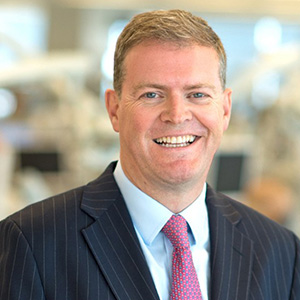
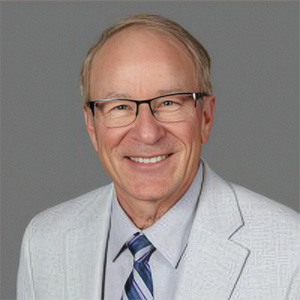
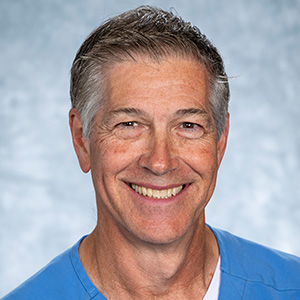
Desmond Gallagher, BDS
Dean
Desmond Gallagher, BDS, is the dean of ATSU-ASDOH.
Dr. Gallagher earned his dental degree from the University of Wales College of Medicine School of Dentistry in 1994. He began his dental and military career as a general dentistry and anesthesiology program resident in Germany. During his seven years of active service, Dr. Gallagher undertook several operational tours, including command and leadership of combined medical/dental assets.
After military service, he established a dental office. He undertook a two-year diploma in clinical dentistry at Trinity College Dublin School of Dentistry before starting to teach as a part-time clinical instructor. He also received a master’s degree in dental education from the University of the Pacific in 2016.
Dr. Gallagher is a member of Phi Kappa Phi, a Fellow of the ADEA Leadership Institute, a Fellow of the American College of Dentists, and an Associate Fellow of the College of General Dentistry in England. He previously served as associate dean for clinical services and as the executive associate dean and chair of the Department of Clinical Oral Healthcare at the University of the Pacific Arthur A. Dugoni School of Dentistry in San Francisco, California.
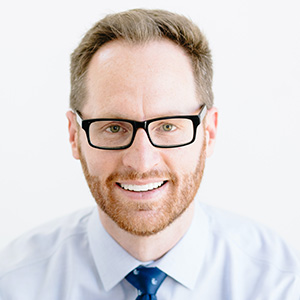
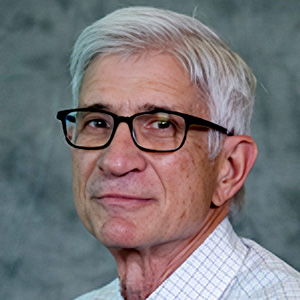
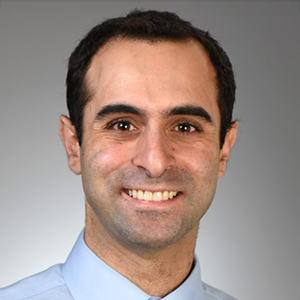
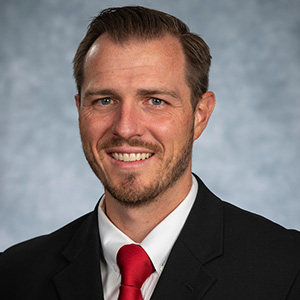
Jonathan Brennan, MD, DMD, ‘12, MPH, ‘12
Associate Dean Innovation, Strategic Initiative & Technology
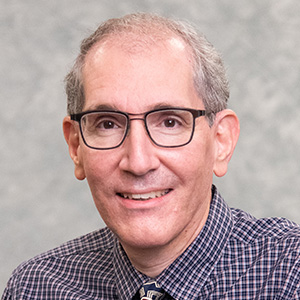
Jonathan Brennan, MD, DMD, ‘12, MPH, ‘12, is the associate dean of innovation and curriculum at ATSU-ASDOH. In this capacity, he provides ongoing analysis, implementation, and evaluation of dental informatics utilized in clinical systems, works in conjunction with the associate dean of pre-clinical education on curriculum, and co-teaches the Oral Medicine course.
Dr. Brennan graduated summa cum laude from Arizona State University in 2004. He then earned his medical degree from the University of Toledo College of Medicine. Dr. Brennan continued his studies at ATSU, earning a master of public health from the School of Health Management (now the College of Graduate Health Studies) and a doctor of dental medicine from ATSU-ASDOH.
In 2014, Dr. Brennan co-founded Brennan Dental in Chandler, Arizona, where he continues to practice general dentistry. Dr. Brennan and his wife live in Chandler with their two daughters and one son.
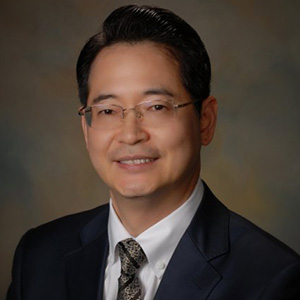
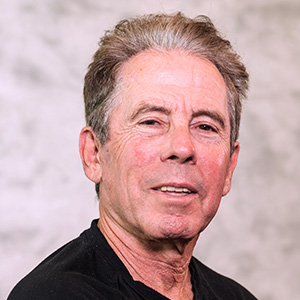
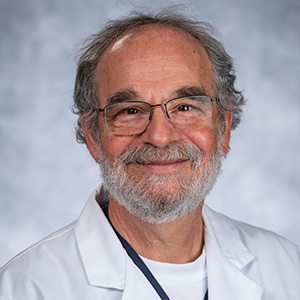
Jae Hyun Park, DMD, MSD, MS, PhD
Program Director, Postgraduate Orthodontic Program
Dr. Jae Hyun Park is Professor and Chair of the Postgraduate Orthodontic Program at the Arizona School of Dentistry & Oral Health. He is a Diplomate of and Examiner for the American Board of Orthodontics. Dr. Park has received several awards for scientific and clinical excellence, including the Charley Schultz Award (1st Place Winner in the Scientific Category at the Orthodontic Resident Scholars Program) and the Joseph E. Johnson Award (1st Place Winner at the AAO Table Clinic Competition) from the AAO.
He also serves as an editorial board member of several peer-reviewed orthodontic and dental journals, including The Angle Orthodontist, Seminar in Orthodontics, Journal of Clinical Orthodontics (JCO), and Journal of Esthetic and Restorative Dentistry, as well as associate editor of American Journal of Orthodontics & Dentofacial Orthopedics (AJO-DO), Orthodontics & Craniofacial Research, Journal of World Federation of Orthodontists, and Journal of Clinical Pediatric Dentistry.
He was recently appointed to be deputy editor of the new clinical journal, AJO-DO Clinical Companion. While working as a full-time faculty member since 2008, he has published more than 260 scientific and clinical articles in peer-reviewed orthodontic and dental journals, including five cover pages in the AJO-DO, three cover pages in the JCO, three books, and 22 book chapters.
Dr. Park is currently Editor-in-Chief of the Journal of the Pacific Coast Society of Orthodontists (PCSO) Bulletin, Past President of the Arizona State Orthodontic Association, and Thesis Committee Co-Chair of Northern California Edward H. Angle Society of Orthodontists. He also works for the NBDE Part II Ortho-Pediatric Dentistry/ADAT Test Construction Committee and CODA Site Visitor. He was recently appointed to the 2021 Scientific Program Chair at the College of Diplomates of the American Board of Orthodontics (CDABO) annual meeting. In addition, he was recently appointed to replace Dr. Steven Dugoni as the American Board of Orthodontics (ABO) Director representing the PCSO. He will be the ABO President in 2024.
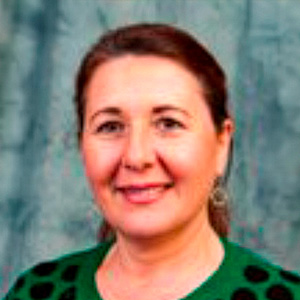
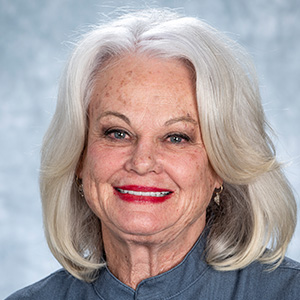
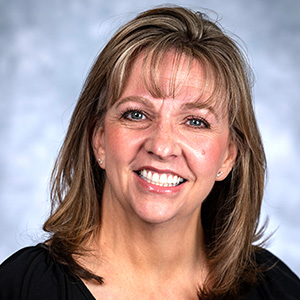
Klud Razoky, BDS
Associate Dean PreClinical Education & Simulation
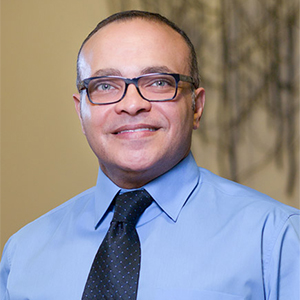
Klud Razoky, BDS, is the associate dean for pre-clinical education at ATSU-ASDOH. Dr. Razoky oversees the first and second-year curriculum at ATSU-ASDOH, in addition to her responsibilities for all the simulation clinic operations.
Dr. Razoky received her dental degree from the University of Baghdad in 1984. She then practiced as a general dentist for nine years. In 1995, Dr. Razoky and her family moved to New Zealand. While in New Zealand, she qualified her degree and earned her New Zealand Dentist Registration Examination (NZDREX).
In 2000, Dr. Razoky and her family moved to the United States. Dr. Razoky worked as a pre-clinical instructor in the general dentistry laboratory at the University of Pennsylvania, School of Dental Medicine. In 2004, Dr. Razoky started her position at ATSU-ASDOH as an adjunct faculty member.
Dr. Razoky currently resides in Scottsdale, Arizona, with her husband and has two children, Maryam, who attends law school in Denver, Colo., and Fadi, who graduated from ATSU-ASDOH in 2014 and is a practicing general dentist in Arizona.
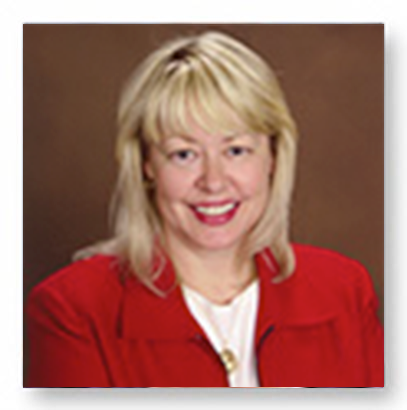
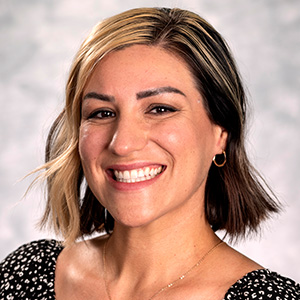
Ann Eshenaur Spolarich, PhD, RDH
Associate Dean, Research
Ann Eshenaur Spolarich, PhD, RDH, is the assistant dean for research at ATSU-ASDOH. Dr. Spolarich is a professor, course director of clinical medicine and pharmacology, and director of research at ATSU-ASDOH, where she also teaches part-time in the Special Care Clinic.
Dr. Spolarich received her certificate in dental hygiene from the University of Pennsylvania, School of Dental Medicine, and her bachelor’s degree (summa cum laude) from Thomas Jefferson University in Philadelphia. She holds both a master of science in dental hygiene and a PhD in physiology from the University of Maryland at Baltimore.
She has formal training in both laboratory and clinical research and has completed the Mary Frances Picciano Dietary Supplement Research Practicum through the Office of Dietary Supplements at the National Institutes of Health. Her research interests focus on the care of medically complex patient populations, specifically the care of older adults and clinical drug therapies and dental product formulations.
Dr. Spolarich is an internationally recognized author and speaker on pharmacology and the care of medically complex patients. She has presented over 900 lectures nationally and internationally and has over 125 professional publications.
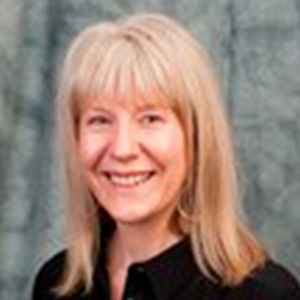
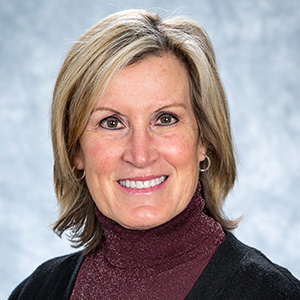
Janet Woldt, PhD, MS
Associate Dean, Student Success
Janet Woldt, PhD, MS, is the associate dean for academic assessment at ATSU-ASDOH. Dr. Woldt ensures the academic success of the predoctoral and postdoctoral students, manages the accreditation process, directs the assessment efforts of ATSU-ASDOH, and serves as the School’s student services liaison.
Dr. Woldt received her undergraduate degrees from Indiana University (1986), Northwestern University (1990) and her graduate degrees from Iowa State University (masters 2001, doctorate 2004).
From 1986-90, she practiced as a clinical dental hygienist in Northwest Indiana. Dr. Woldt also served as a didactic and clinical instructor at Indiana University from 1988-90. From 1990-93, she served as the examination coordinator of the Academy of General Dentistry.
Dr. Woldt worked for the Commission on Dental Accreditation (CODA) as manager of dental hygiene education from 1993-99. In her tenure with CODA, she managed the revision of the accreditation standards for dental hygiene education, provided guidance to the dental education community regarding accreditation, and formulated and implemented policies related to dental education, utilization, and licensure.
While conducting her graduate studies at Iowa State University, Dr. Woldt developed and implemented faculty enrichment programs for both new community college instructors and masters and doctorate programs for experienced instructors. She worked in the vice provost for undergraduate programs office at Iowa State University as well.
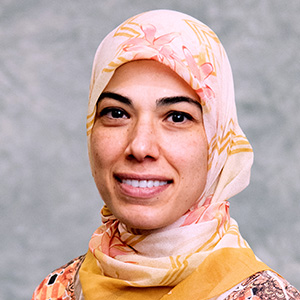
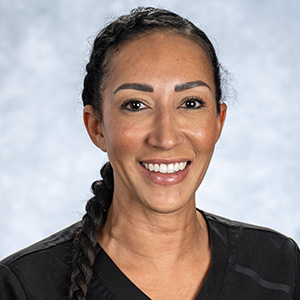
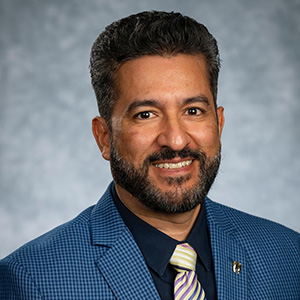
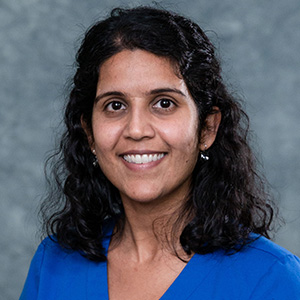
Hanann Tomeh
Associate Dean of Academic Affairs, Faculty
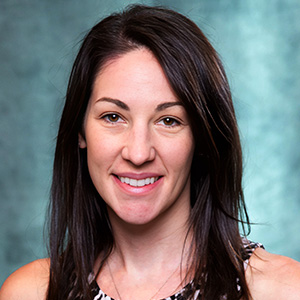
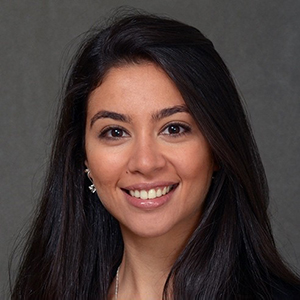
Hanann Tomeh is the associate dean of academic affairs at ATSU-ASDOH.



Tuition and expenses
Tuition and fees for the Doctor of Dental Medicine (DMD) program are designed to cover the cost of high-quality education and essential student services. In addition to tuition, students are responsible for a student technology fee, which helps support access to critical student resources. Tuition rates and fees are subject to change, please review the tuition and fees breakdown for the most up-to-date information.
Financial aid
Investing in your future as a student is one of the most important steps you will take. ATSU can help you create a financially sound aid package that will let you focus on your education instead of worrying about how you will finance it. To learn more about your options visit Enrollment Services or contact them at enrollmentservices@atsu.edu or call 660.626.2019.
Admissions
The Doctor of Dental Medicine program prepares participants to be leaders in the field. Prospective students should review these criteria to ensure a complete application.
- Applicants applying to the Doctor of Dental Medicine program submit materials by logging into the ADEA AADSAS portal and complete the online application.
- Application is forwarded to Admissions Processing Center to verify complete.
- Upon completion of the American Dental Education Association Associated American Dental Schools Application Service (ADEA AADSAS) application, ATSU’s secondary application will be emailed to those who qualify.
- Secondary application is returned to processing center, along with application fee.
- Application is then forwarded to the Arizona School of Dentistry & Oral Health campus for review.
- Applicants are selected for interviews and admissions on a rolling basis, and interviews take place between September and March.
A completed application includes:
- AADSAS application
- Secondary application with fee
- Official U.S. Dental Admissions Test scores
- 2 letters of recommendation
Mail all supporting application documents to:
A.T. Still University
Admissions Department
800 W Jefferson Street
Kirksville, MO 63501
Application deadlines:
- Application submitted to AADSAS: November 15
- DAT completed by: December 1
- Secondary application submitted: December 15
- All pre-requisite course work must have been completed from a regionally accredited U.S. institution.
- All applicants are required to take and submit the US Dental Admissions Test (DAT) scores via the AADSAS site on or before December 1 of the application year. No scores older than three years will be accepted.
- Applicants must have a minimum cumulative and science grade point average of 2.75 on a four-point scale (3.0 minimum recommended). The overall and science GPA, the school(s) attended, and the rigor of the academic course load are all assessed on an individual basis.
- Applicants are required to provide a minimum of TWO (2) letters of recommendation. ONE letter must be from a Science Faculty OR Predental Committee Member and ONE from a Dentist.
- Applicants can also submit an additional letter of recommendation from a Community Service Supervisor. The letter from the Community Service Supervisor must be from a broad-based volunteer community service project in which the applicant was involved but NOT paid.
- Applicants must be a U.S. citizen, permanent U.S. resident or hold a F-1 (student) visa that allows for academic study in the U.S.
- A formal minimum of three years college or university coursework from a regionally accredited school in the United States only (90 semester hours or 135 quarter hours), but a baccalaureate degree is preferred.
Selection factors
Applicants are evaluated on academic course work, performance on the DAT, AADSAS essay, letters of evaluation, and interviews. Demonstrated community service through volunteerism or service-oriented employment is preferred.
DAT CODE: 03
Application deadlines and notification for entering class
AADSAS - November 15 (submitted)
*DAT scores - December 1 (taken)
Secondary Application - December 15
Acceptance Notification - Beginning December 15
- International students applying for admission to the Arizona School of Dentistry & Oral Health must meet all general requirements for admission as stated in admissions publications.
- International students must take all pre-requisite courses in the United States. Equivalency courses will not be considered.
-
Proficiency in the English language, both written and spoken is required. Written and spoken proficiency in the English language may be demonstrated by one of the following options:
- Have two (2) or more years of study in the United States
- English is your first language.
- You are demonstrating your English proficiency by submitting acceptable scores on the Test of English as a Foreign Language (TOEFL).
For registration information for TOEFL contact:
TOEFL Services Educational Testing Services
P.O. Box 6151
Princeton, NJ 08541-6151
U.S.A 1.877.863.3546 - All academic course requirements and minimum GPA requirements must be met. All pre-requisite course work must have been completed from a regionally accredited U.S. institution. All course work taken at the foreign institution must be evaluated
for American institution equivalence by one of the following services:
World Education Services Inc.
P.O. Box 745
Old Chelsea Station
New York, NY 10113-0745Educational Credential Evaluators Inc.
P.O. Box 514070
Milwaukee, WI 53203-3470Foreign Consultants, Inc.
Credential Evaluation Services
3000 Dundee Road, Suite 209
Northbrook, IL 60062773.761.0000
www.foreignconsultants.com/GCE, Inc.
P.O. Box 9203
College Station TX 77842 - Credit for advanced standing will not be given for any work completed in foreign graduate or medical schools. All students must apply for first-year status.
- International students must have permanent residency status (green card) to be eligible to receive any type of federal financial assistance.
- International students not having permanent residency status must provide written proof of ability to finance their Dental education prior to matriculation.
- Applicants must submit Dental Admission Test (DAT) scores that are not older than three years.
- International students seeking to enter a program of study at ASDOH must hold a F-1 (student) visa issued by the U.S. Government. ASDOH is approved to issue a U.S. Department of Homeland Security For I-20. Upon receiving the completed Form I-20 from ASDOH, you will be able to apply for an F-1 (student) visa.
- 2016-17 application cycle ASDOH will no longer allow prereq credits from AP and CLEP
All prerequisite coursework must be taken from a U.S. regionally accredited institution.
- Highly recommended that science prerequisites courses be taken within 5 years of applying.
- AP and CLEP will not be accepted for prerequisite credits.
- General Biology - One year lecture and lab, minimum of 8 semester hours/12 quarter hours (zoology or microbiology are acceptable alternatives)
- General Chemistry - One year lecture and lab, minimum of 8 semester hours/12 quarter hours
- Organic Chemistry - One year lecture and lab, minimum of 8 semester hours/12 quarter hours
- Human Physiology* - 3 semester hours/ 4 quarter hours
- Biochemistry - 3 semester hours/ 4 quarter hours - 300 university level minimum
- Physics (algebra-based) - One year lecture and lab, minimum of 8 semester hours/12 quarter hours
- English composition/Technical writing - minimum of 3 semester hours/4 quarter hours
- Human Anatomy* - 3 semester hours/ 4 quarter hours
* Anatomy & Physiology Part I and Part II is acceptable but, you must take both Part I and Part II.
Health insurance
Maintaining personal health insurance coverage throughout the duration of enrollment is a requirement for all ATSU students. All students must enroll in the student-sponsored health plan or provide proof of other acceptable health coverage. More information on the health insurance requirement can be found on the Department of Student Affairs website.
Immunizations
ATSU-ASDOH requires each student to have documented immunizations from birth to present day. These immunizations can be documented by either:
- Individual immunization record from childhood
- State of Arizona allowable immunization exemption certificates on file with Student Success prior to matriculation. ATSU-ASDOH policy requires that all active students maintain compliance with the immunization and screening requirements.
Once you have gathered the necessary records, please email or fax to the address/number listed below. All immunization records must be from a U.S. Licensed MD, DO, PA or NP. ASDOH does not accept foreign immunization records. Foreign immunization records must be verified and documented by a US licensed MD or DO only.
Please have all copies of your records to our office by June 1, 2026. If you have trouble locating your records due to loss of some sort, try contacting your undergraduate school or your high school for copies of your past records. It is ATSU-ASDOH policy that we must maintain copies of all your immunization records while an active student. These records are kept for six years after graduation and then destroyed.
Students must provide immunization records for:
- Diphtheria, tetanus, pertussis (DTaP) series: a booster of Tdap within the last 10 years.
- Polio virus series: if documentation cannot be produced, a Polio Booster is required.
- Measles, mumps, rubella (MMR): two doses and a positive titer is required. If titer comes back negative, a booster is required
- Varicella series; 2 doses and a positive titer is required (history of chickenpox is not acceptable). If titer comes back negative, a booster is required
- Hepatitis B series: three doses and a positive titer is required. If titer comes back negative, a booster is required
- Tuberculosis test (TB). Will accept any of the following tests and must be completed after January 1st of your matriculation year. All tests must have negative result. If your test does not, please contact ASDOH immunizations immediately:
- Skin Test - reading 48-72 hours after placement
- Blood draw (quantiFERON or TSpot)
- XRay radiology report - must show in report no active TB present
- Cardiopulmonary resuscitation (CPR): All matriculating students must sign up for the CPR course ATSU-ASDOH will offer during your orientation week. We will not accept previous CPR certifications/courses in lieu of this requirement.
- These immunizations are highly recommended but not required for matriculation to ATSU-ASDOH. Some of our external partners may require these and any student wishing to complete an external rotation there will need to obtain these for placement:
- Current COVID Vaccine
- Influenza vaccine
If you have any questions about the immunization policy, please feel free to email asdohimmunizations@atsu.edu or a call 480.248.8188 or 480.219.6099
Location for in-person interviews
Applicants should go to the ATSU Mesa campus Admissions office at 5835 E. Still Circle. The building is the 2-story building on the right just after turning onto Still Circle. Check-in is in the lobby and interviews are held on the 1st floor. Interview day activities begin at 8:00a.m. on Mondays and Fridays. Please make every effort to arrive promptly. Lunch and refreshments will be provided.
ATSU-ASDOH Administration Building
5835 E Still Circle
Mesa, AZ 85206
Interview day schedule
| In-person interview day (Monday/Tuesday) |
Virtual interview day (Thursday) |
|---|---|
| 8:00 a.m. Interviewee check-in | |
| 8:30 a.m. ATSU-ASDOH Dean's welcome | |
| 9:00 a.m. Group activity | |
| 9:30 a.m. Interviews Panel interview, Multiple mini interviews, D4 presentations, and Ortho & Advanced Care Clinic tour |
9:30 a.m. Interviews Panel interview, Multiple mini interviews, D4 and financial aid presentations, and virtual campus tour |
| 12:00 p.m. Lunch, wrap up, Q&A, and clinic/campus tour | 12:00 p.m. Wrap up and Q&A |
Group activity: Applicants will be placed in groups to discuss a scenario that is presented to them and discuss and present a solution to the scenario.
Multiple mini interviews: The Multiple Mini Interviews (MMI) are a circuit of three timed independent interview stations with a standardized patient. Each interview station is unique and chosen for its relevance for assessing a candidate’s overall acceptability for admission into the program. At the conclusion of the interviews, MMI score sheets for each applicant are processed and forwarded to the Admissions Committee.
Presentations: You will watch videos / PowerPoint slides to learn more about the Arizona School of Dentistry & Oral Health and financial aid.
Dressing for an interview
- Wear a solid, conservative suit that fits you well. If it is new, be sure to clip the threads that hold the pockets and back plackets together on your jacket or skirt.
- Wear minimal jewelry or accessories. Classic or conservative earrings or necklaces are the best choices.
- Wear minimal perfume or cologne, or none at all. Some people are very sensitive to smells, and an overpowering scent can be distracting, especially if your interview room is small without a lot of ventilation.
- Wear clean, comfortable shoes with a low heel for women, or loafers for men. Make sure you are comfortable walking a lot in them, and can be in them all day without getting sore feet.
- Be up-to-date in your clothing, but not too trendy. The graduate health professions school interview is one that looks for prospective students who will look and be viewed as professional, so you need to look the part.
- For women: Wear conservative tops without plunging necklines and skirts that are not revealing when you bend over or cross your legs. Wear tan or light hosiery with your suit.
- For men: Wear a long-sleeve shirt with a coordinating conservative, traditional tie. Wear dark dress socks that match your suit pants.
- Bring a padfolio with a professional cover to store your notes and papers. It is okay to take notes, so bring a nice pen, as well.
- Make-up should be light and natural, but not too bold or dark in color.
- Make sure your nails are manicured or neatly trimmed. Nails that are painted should be of a conservative length and a neutral color. Nail art or bright paint colors can be distracting.
- Ethnic culture may dictate that cultural dress or head coverings are expected in public settings, and these are fine.
- Leave your earbuds and cell phone in your car.
We invite you to explore A.T. Still University’s Arizona campus in Mesa, where innovative healthcare education meets the energy of the Phoenix metropolitan area. With a collaborative learning environment, access to diverse clinical experiences, and a region rich in culture, recreation, and opportunity, Mesa offers an ideal setting to pursue your future in healthcare. Experience life in the East Valley and discover how ATSU’s Mesa campus prepares students to become compassionate, community-focused healthcare professionals. Learn more about ATSU’s Mesa campus.
As you prepare to make the transition to A.T. Still University’s (ATSU) Mesa, Arizona, campus, please keep the following checklist handy:
- Return acceptance agreement, background check, and all necessary payment deposits and forms by established deadlines.
- Mark your calendar for your student orientation.
- Check ATSU email for important information.
- Meet your classmates through the online forum (you will receive access information via email).
- Apply for financial aid.
- Submit all necessary health insurance and immunization information.
- Make housing arrangements – feel free to use the ATSU’s admissions office as home base for your planning.
- Contact ATSU Department of Admissions with any changes to your contact information (phone, email, address) so you will receive important updates.
Careers and outcomes
Healthcare professionals with a Doctor of Dental Medicine degree are dedicated to diagnosing, preventing, and treating conditions affecting overall oral health. Through patient care, education, and clinical practice, dentists help individuals maintain oral function and improve quality of life. Graduates may pursue careers in general dentistry or advanced specialties, working in private practice, group practices, public health settings, research, or academia as part of the broader healthcare team.

DMD students and alumni
When you gain entry to the Doctor of Dental Medicine program, you are joining a collective dedicated to whole person healthcare and the advancement of the dental profession. Connect with our students, alumni, and faculty to hear how their experiences with ATSU propelled their careers.
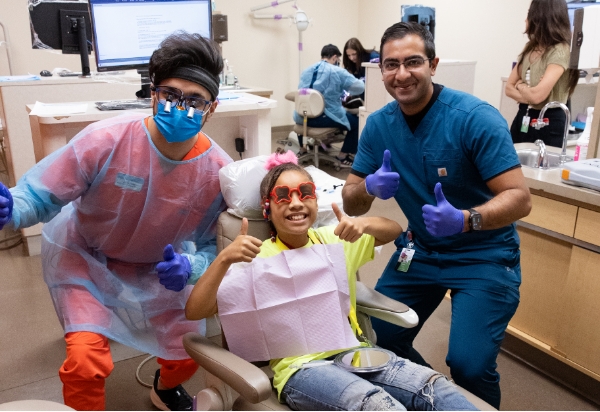

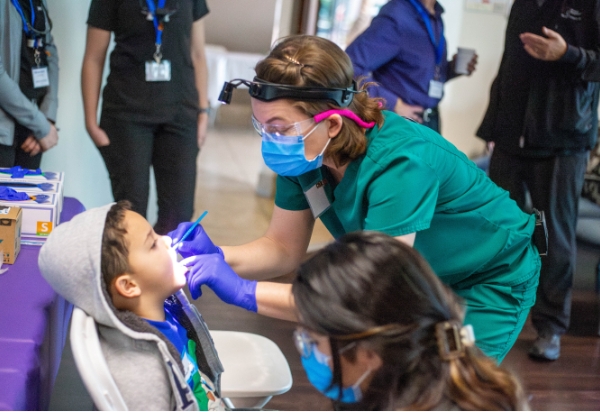
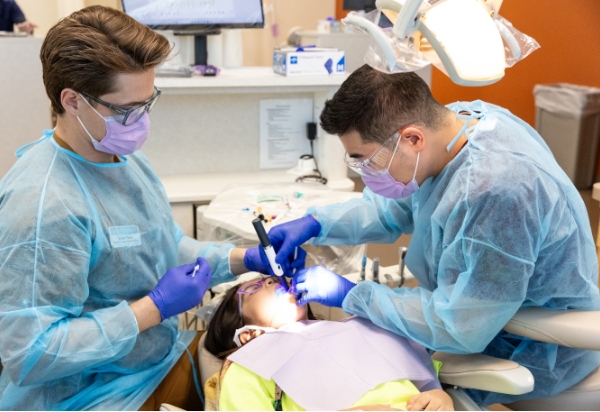
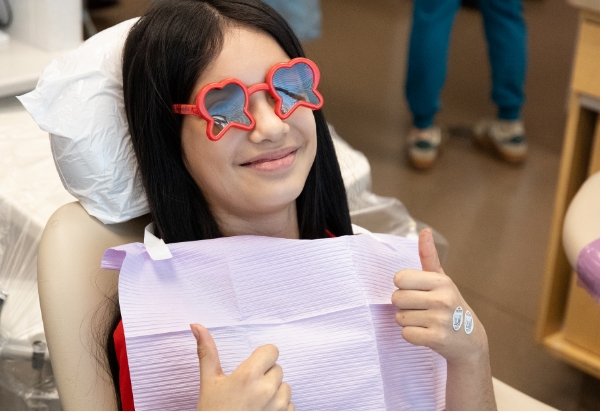

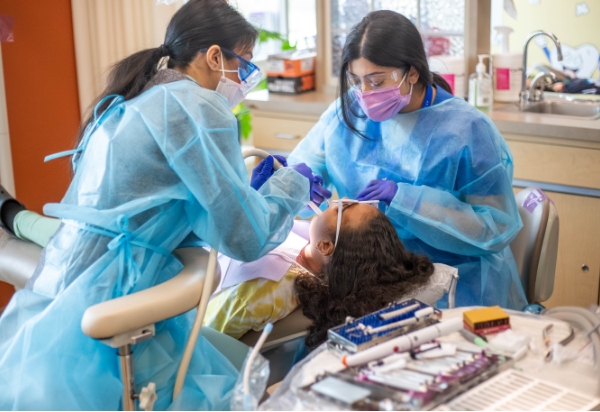
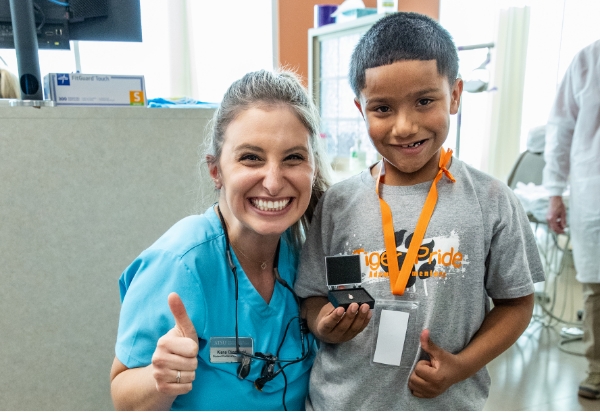
From white coats to graduation caps
Students and graduates reflect on their experience at ATSU with unforgettable moments and milestones.
Accreditation
A.T. Still University of Health Sciences is accredited by the
Higher Learning Commission
230 S. LaSalle Street, Suite 7-500,
Chicago, IL 60604
Phone: 800.621.7440
Fax: 312.263.7462
Email: info@hlcommission.org
Web: hlcommission.org

The Predoctoral Dental Education Program is accredited by the
Commission on Dental Accreditation (CODA)
211 East Chicago Avenue
Chicago, IL 60611-2678
Phone: 800.621.8099 x4653
CODA will review complaints that relate to a program’s compliance with the accreditation standards. The Commission is interested in the sustained quality and continued improvement of dental and dental-related education programs but does not intervene on behalf of individuals or act as a court of appeal for treatment received by patients or individuals in matters of admission, appointment, promotion or dismissal of faculty, staff or students. A copy of the appropriate accreditation standards and/or the Commission’s policy and procedure for submission of complaints may be obtained by contacting the Commission directed at the address and phone number noted above.
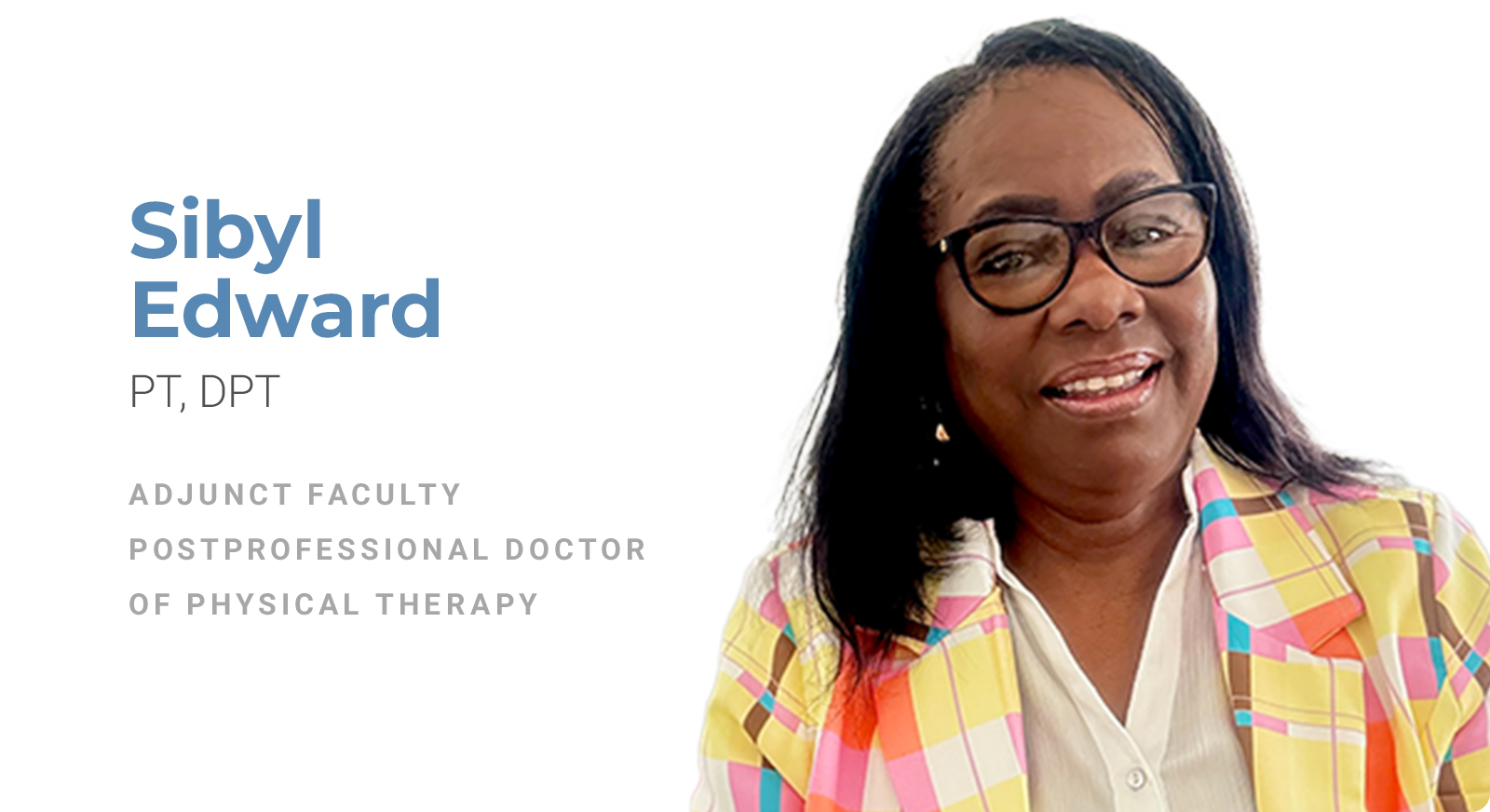





.png)