QUICK LINKS:
Overview Curriculum Faculty & staff Tuition Admissions Careers & outcomes Student experience FAQs AccreditationOnline doctorate for practicing audiologists
A.T. Still University’s (ATSU) Post-Professional Doctor of Audiology Program, previously referred to in the United States as the Transitional Doctor of Audiology program, is a tailored degree program configured around the unique needs of each practicing professional, offering flexibility and a full team of support. This program design offers the most personally relevant and rewarding route for current practitioners to pursue the AuD degree, making a difference in their future, the future of their patients, and the future of the profession of audiology.

100% ONLINE
LEARNING

PERSONALIZED
CURRICULUM PLANS

2 AND 3-YEAR
TRACK OPTIONS

DIVERSE GLOBAL
FACULTY

GLOBAL PEER-TO-PEER
COLLABORATION

MULTIMODAL COURSE CONTENT
Post-Professional Doctor of Audiology Program details
Offered through ATSU’s Arizona School of Health Sciences (ASHS), this fully online program provides students with the flexibility to pursue advanced studies in the science of hearing and balance, to enhance their clinical practices with new skills and knowledge, and rekindle their passion for their profession while continuing to practice full-time.
The post-professional program curriculum is customized to each student's individual learning needs and interests as a practitioner. The application and admissions process involve evaluation of each applicant’s clinical experiences, purpose statement, letters of recommendation, and personal interview results for determination of program length and content.
Upcoming events
For more information on the online post-professional AuD programs or non-degree seeking course options, visit us at these upcoming events or view the latest ATSU AUDP news.
Flexible curriculum for working professionals
The Post-Professional Doctor of Audiology Program is a perfect option for working professionals. The fully online format provides an asynchronous education model delivered by an interdisciplinary team of faculty and support staff to fulfill degree requirements allowing students some flexibility in course choices and pace of learning. Online global faculty and guest experts provide a broad range of culturally and regionally pertinent topics to educate practicing audiologists to become practitioner-leaders and practitioner-scholars who can translate knowledge into practice and who are capable of serving as agents of change in new and expanded global arenas. For more details about the AuD program and the University, check the University Catalog.
2-year curriculum plan:
4 required courses/8 course options
38 credit hours
3-year curriculum plan:
8 required courses/10 course options
57 credit hours
DOWNLOAD CURRICULUM GUIDEPost-Professional Doctor of Audiology courses
The Post-Professional Doctor of Audiology Program is taught by world-class faculty and covers audiology practice along with professional and business topics. Class sizes are managed to ensure a strong faculty-to-student ratio, providing personalized attention. Students engage in innovative learning experiences through web-based instruction, video demonstrations, readings, clinically relevant projects, and interactions with peers and faculty. The program can be completed in two to three years, depending on the student’s clinical experience.

AUDP 8310 - Tinnitus and Hyperacusis: Theories, Evaluation and Treatment
Course descriptions
The Post-Professional Doctor of Audiology Program offers courses that focus on specific areas of knowledge and clinical practice, presented in concise, structured units. Each course lasts between four and 10 weeks, with 1.5 semester credit hours assigned to four-week courses and four semester credit hours for 10-week courses. Please note that course descriptions, durations, and related details are subject to change.
10 weeks/4 credits
This course begins with an introduction to the online learning system used for this academic program. Students will be instructed in online navigation tools, computer basics and academic resources. Students will then be introduced to the professional roles and responsibilities of a variety of members of the healthcare delivery system and provided an orientation to the history and philosophy of osteopathic medicine upon which A.T. Still University is founded. In addition, the course will examine contemporary ethical issues in audiology and provide a framework for ethical decision-making. Topics also include information regarding the organization and function of professional associations, activities which serve the professional community, service to the public and the development of leadership skills.
10 weeks/4 credits
The foundations of audiologic diagnostic and therapeutic measures are based upon an understanding of the anatomy and physiology of the nervous system. This course provides a study of the development of the nervous system, the structure and function of the peripheral nervous system and the central nervous system, neurovasculature, and in-depth coverage of the audiovestibular system. Students will gain an understanding of imaging techniques used for the evaluation of auditory and vestibular pathologies. Neurodiagnostic imaging data from CT scans, MRI, etc., will be correlated with audiologic findings when possible.
10 weeks/4 credits
This course provides detailed coverage of auditory and vestibular pathologies and their relation to structure and function. Course materials will present information about anatomy and physiology of the human ear, techniques in visualization and examination of the ear (including instrumentation) and cerumen management. Case studies are used to show audiologic patterns associated with various disorders. Topics will cover the basic otologic/medical evaluation and surgical and medical treatments of auditory/vestibular conditions.
10 weeks/4 credits
This course is designed to introduce students to the basic concepts and principles of pharmacology. Drug development, drug regulations, pharmacokinetics, pharmacodynamics, and basic drug classifications will be covered. In addition, information will be presented regarding drugs used in the diagnosis and treatment of hearing and balance disorders, drugs that affect the function of the audiovestibular systems, and the concept of polypharmacy. The course also covers ototoxicity (cochleotoxicity, vestibulotoxicity, and neurotoxicity) and ototoxic monitoring. Students will gain an appreciation for the role of audiologists related to understanding patients' needs, behaviors, and clinical outcomes associated with medication use, as appropriate for a professional committed to whole person healthcare.
10 weeks/4 credits
This course covers the wide diversity of genetic conditions and syndromes which involve hearing loss and/or aberrant audiovestibular system function is involved. Review of basic inheritance patterns, including Mendelian transmission together with pertinent embryology, is covered. Current genetic concepts and terminology are provided together with discussion of certain organ systems’ association with audiovestibular system impairments/deficits. Additional topics include appropriate professional language in syndromology, genetic testing, genetic counseling, and the need to utilize audiovestibular probes to best highlight the audiovestibular deficits seen in conjunction with the patient’s particular genotype.
10 weeks/4 credits
This course is designed to provide students with in-depth coverage of the anatomy and physiology of the central & peripheral vestibular structures, as well as the human equilibrium system. Vestibular assessment procedures, including obtaining an appropriate case history, principles of ENG/VNG, non-computerized postural stability testing, and non-computerized rotational testing, will be addressed.
Additionally, students will be introduced to vestibular rehabilitation techniques focusing on canalith repositioning maneuvers for benign paroxysmal positional vertigo (BPPV).
Case studies will be utilized to enhance the learning experience. Topics include infection control procedures as they relate to vestibular evaluation and management.
10 weeks/4 credits
This course is designed to provide students with a detailed understanding of specialized vestibular diagnostic tools. Topics will include rotational chair testing, computerized dynamic posturography (CDP), vestibular evoked myogenic potentials (VEMP), video head impulse testing (VHIT) and subjective visual vertical (SVV) testing. Test results will be correlated with ENG/VNG and common errors in interpretation will be covered. The philosophical bases for vestibular treatment will be addressed, providing specific symptom-based strategies for treating identifiable vestibular dysfunction. Students will be instructed on effective administration of vestibular rehabilitation therapy (VRT) protocol and accurate evaluation of treatment efficacy. Content delivery will utilize a practical approach to allow audiologists to develop knowledge and skills for provision of vestibular treatment within their scope of practice. Topics include infection control procedures as they relate to advanced vestibular evaluation and management.
10 weeks/4 credits
A solid base of knowledge regarding hearing aid technology, concepts and functions will be built by relating historical perspectives to current trends in amplification. Major hearing aid developments and how they relate to current fitting approaches will be covered. Students will explore hearing aid measurement science and methods for verifying and validating appropriate hearing aid fittings, as well as hearing aid trouble shooting techniques. In addition, students will study ear canal acoustics, ear mold impressions, and the evolving array of fitting options. Topics include infection control procedures as they pertain to amplification fitting and assessment procedures.
10 weeks/4 credits
This course is an introduction to cochlear implants, bone-anchored hearing aids, auditory brainstem implants, other implantable devices and future trends. The goal is to provide a level of knowledge enabling the student to conduct initial counseling to prospective implant patients and make appropriate referrals to implant centers. Upon completion of the course, the student will have an understanding of candidacy, implant surgeries, postoperative follow-up, rehabilitative aspects, programming, communication options and outcomes. Topics include infection control procedures as they relate to implantable devices.
10 weeks/4 credits
This course is designed to explore current theories and practices related to the fundamental principles of counseling, as well as individual and group aural rehabilitation. The counseling aspect of this course will include the psychological and psychosocial effects of hearing loss on individuals of all ages, significant others, their families, and communities. The aural rehabilitation aspect will focus on the use of self- assessment tools, communication strategies for individuals and family members, and speech reading techniques to meet rehabilitative needs. Group discussion will address cost- effective options for the delivery of aural rehabilitation in clinical settings. This course will also provide students with the background and tools necessary to counsel, select, and configure assistive technology. The class will explore a variety of levels at which the audiologist may wish to provide these services.
10 weeks/4 credits
This course is designed to cover principles of various electrophysiological measurements in the area of auditory evoked potentials (AEPs). Understanding diagnostic applications and interpretation of test results and their relation to neuroanatomy and physiology of the auditory system will be emphasized. This course provides a study of clinical tools for use in the differential diagnosis of cochlear versus neural function, a diagnostic test battery for auditory neuropathy, and current uses of auditory steady-state response (ASSR) and cortical potentials in the investigation of sensory-neural hearing loss, auditory processing disorders, and aging. In addition, course material will explore the importance of intraoperative neurophysiological monitoring (IONM), the responsibilities required, and the role of the audiologist as a surgical team member. Topics include infection control procedures as they relate to electrophysiological practices.
10 weeks/4 credits
This course is designed to provide a detailed exploration of tinnitus and hyperacusis and the clinical tools required to treat this patient population. The topics of musical hallucinations, misophonia, and hidden hearing loss will also be examined. Course topics include etiology, epidemiology, comorbidity, impact on quality of life, and exacerbating factors. The course will also explore pathophysiological mechanisms underlying tinnitus and hyperacusis. Detailed case histories; tinnitus self-assessment questionnaires/inventories; hyperacusis visual analog scales; psychoacoustic measurements and self-report measures of stress, anxiety and depression will be explored. Students will learn evidenced-based audiological interventions related to tinnitus and hyperacusis treatment and management including counseling, amplification, and comprehensive management programs through the review of case studies.
4 weeks/1.5 credits
This course promotes guided discussion regarding current global hearing healthcare practices, areas of need and advocacy for effective policies and services. Telehealth in audiology and interprofessional collaboration will be explored as potential opportunities for improving access to hearing healthcare services.
4 weeks/1.5 credits
This course provides a study of immittance measures for the assessment of tympanic membrane abnormalities, ossicular chain pathology, otitis media, neonatal hearing assessment, and aging of the middle ear system. The goal is to provide the advanced clinical audiologist with knowledge and skills to pursue additional audiologic information through the use of multi-frequency tympanometry, multicomponent tympanometry, wide-band immittance, acoustic reflexes and acoustic reflex decay for patient diagnosis and management.
4 weeks/1.5 credits
This course presents the origin and classification of otoacoustic emissions. In-depth coverage is provided related to test equipment, procedures, interpretation of results and use of otoacoustic emissions in screening and in differential diagnosis of auditory disorders.
4 weeks/1.5 credits
This course is designed to examine the principles and practices of occupational, educational and environmental hearing conservation. Topics include determination of noise exposure, regulatory and advisory agencies and standards, classroom acoustics, hearing conservation programs in occupational and school settings, noise abatement, and hearing protection devices. The course also includes a supplemental section presenting an overview of the principles and practices of forensic audiology.
4 weeks/1.5 credits
This course is designed to increase student knowledge of current, evidence-based information on preventing and controlling the spread of disease. Infection control in the audiology workplace is a priority as new diseases emerge in our global society. Topics include pathogenic microorganisms and how they are transmitted, understanding of universal precautions and the development of infection control protocols that can be implemented in the workplace. Global infection control practices and regulatory bodies will be explored.
4 weeks/1.5 credits
This course presents the advantages and challenges of telehealth as it relates to clinical practice in audiology. Focus is placed on how communication, innovative technology, safety, and efficiency of patient care are addressed through telehealth. Students explore the feasibility of various telehealth/telepractice models applicable across clinical environments. Global regulatory, legislative and political considerations will be discussed.
4 weeks/1.5 credits
This course is designed to provide students with in-depth coverage of the association between age-related hearing loss, normal cognitive aging and dementia and clinical tools used to evaluate and treat this population. Age-associated changes in hearing and cognitive abilities are one of the most commonly reported health issues by older adults. Recent research suggests that age-related hearing loss may be an indication of cognitive decline. Course material will present information about age-related hearing loss and cognitive decline such as definitions, classification systems for dementia, etiology, epidemiology, clinical presentations, impacts on quality of life, and pathophysiological mechanisms underlying their development. The use of detailed case histories, validated measures of cognitive abilities along with self-administered computerized assessment tools will be explored. Students will learn evidence-based audiological interventions related to age-related hearing loss and cognitive decline treatment and management options such as counseling and amplification.
4 weeks/1.5 credits
Branding is the process of creating a distinct identity for a business geared toward a target audience. The goal of branding an audiology practice is to develop and share the practice identity to the public in a way that supports the organization’s mission, vision and values. Included in the branding process is the creation of a name, symbol, and other markers that a business uses to distinguish their staff and products from competitors, fostering a public identity. This course will introduce students to the concepts and ideas that will help define a branding identity. Students will learn how to develop a brand purpose, determine a target audience, and research competitors' brands within the industry. Additionally students will learn various marketing, and advertising strategies that can be applied across various audiology practice environments.
4 weeks/1.5 credits
This course delves into the integration of artificial intelligence (AI) within audiology, examining potential benefits and the ethical challenges it poses. Participants will explore the history of AI, its current applications in healthcare, and the advantages and challenges of its application. The course also explores AI’s role in hearing devices, its impact on communication outcomes, and how it enhances clinic efficiency. Additionally, students will learn how generative AI can support evidence-based practice, clinical administration, and marketing efforts. The course concludes by addressing how to assess AI-generated responses, ethical concerns, and the regulatory and legal implications of using AI with patient data.
10 weeks/4 credits
This course covers embryological development of the ear, developmental milestones, identification and intervention for newborn hearing loss, appropriate use of diagnostic tests, and the utilization of appropriate resources. Skills and knowledge will be gained in the use of family counseling and access to multidisciplinary resources. Early Hearing Detection and Intervention (EHDI) programs and the roles of educational audiologists will be explored. Topics include legislative mandates, screening protocols and procedures, organization and administration of programs, data management and tracking, program evaluation, and quality improvement. Topics include infection control procedures as they relate to pediatric practice.
10 weeks/4 credits
This course examines the assessment of (C)APD and identification of auditory processing disorders in children and adults as a systematic and multidisciplinary process. The use of case histories, questionnaires, observation forms, audiometric tests and electrophysiologic measures will be explored. Students will learn efficacious interventions related to (C)APD treatment and management including but not limited to manipulating the acoustic environment, fitting of appropriate devices and instituting an auditory training regimen.
10 weeks/4 credits
This course is designed to address issues concerning the effects of aging on hearing. Changes in the auditory system as a function of age, the impact on patient function and healthy aging will be emphasized. The course will provide information on management of hearing loss in the aged population and strategies for community collaboration to increase awareness for appropriate hearing healthcare.
10 weeks/4 credits
This course involves the study of basic business structures, practice development, marketing and the economic and regulatory aspects of healthcare practice. Topics covered include private practice models, business plan design, short- and long-range planning, general accounting practices, development and analysis of profit-and-loss statements, and marketing strategies. Students will have the opportunity to generate marketing strategies and budgets, as well as evaluate the effectiveness of different marketing media. Facilitated discussions will explore topics such as risk management, auditing, professional liability, regulatory compliance, and proper methods of documentation as practiced across the globe.
10 weeks/4 credits
This course introduces students to the concepts and ideas of personnel management, also known as human resource management or practice management. This course includes information on designing job descriptions; hiring and firing employees; and training, supporting and evaluating staff in a professional audiology practice. Audiologists who are going to serve as preceptors for audiology students need to learn concepts and skills related to the supervisory process and how to be a mentor in the clinical setting. Preceptor training will be discussed providing, information on adult learning styles, goal setting, constructive feedback, development of professionalism and strategies to facilitate critical thinking and case management skills. Facilitated discussions will explore personnel management topics as practiced across the globe.
4 weeks/1.5 credits
This course represents the culmination of the clinical doctoral degree program and requires students to demonstrate the integration and clinical application of the knowledge acquired throughout their 2-year individualized curriculum plan. In-depth case studies submitted by teaching faculty across the curriculum will be utilized. Student submissions will require critical thinking skills, use of appropriate professional and technical terminology, accurate interpretation of detailed case histories and clinical data, and presentation of relevant impressions and recommendations.
4 weeks/1.5 credits
This course represents the culmination of the clinical doctoral degree program and requires students to demonstrate the integration and clinical application of the knowledge acquired throughout the first two years of a 3-year individualized curriculum plan. In-depth case studies submitted by teaching faculty across the curriculum will be utilized. Student submissions will require critical thinking skills, use of appropriate professional and technical terminology, accurate interpretation of detailed case histories and clinical data, and presentation of relevant impressions and recommendations.
4 weeks/1.5 credits
This course represents the culmination of the clinical doctoral degree program and requires students to demonstrate the integration and clinical application of the knowledge acquired throughout the final year of a 3-year individualized curriculum plan. In-depth case studies submitted by teaching faculty across the curriculum will be utilized. Student submissions will require critical thinking skills, use of appropriate professional and technical terminology, accurate interpretation of detailed case histories and clinical data, and presentation of relevant impressions and recommendations.
Diverse global AuD faculty
The Department of Audiology faculty members are dedicated to your success in your online AuD program. Interaction with a variety of faculty with extensive expertise within the scope of practice of audiology offers students exposure to various teaching styles, audiology practice experiences and education-related backgrounds; leading to a well-rounded education and fostering personal and professional growth.

Featured Faculty:

Featured Faculty:

Featured Faculty:
Hear from our leadership and faculty

Dr. Ann Lee Burch is the dean of A.T. Still University’s Arizona School of Health Sciences (ATSU-ASHS). Dr. Burch received her doctor of education from Columbia University, Teachers College in 2005. She received her masters of public health from Columbia University, Mailman School of Public Health in 2002 and her masters of physical therapy from Columbia University, College of Physicians and Surgeons in 1989. She was a postdoctoral fellow with the Research Group on Health Disparities at Teachers College, Columbia University. Her BA is in psychology from the University of Rochester.
Prior to her appointment as dean, Dr. Burch served as vice dean for ATSU-ASHS. She served as the chair of the Physical Therapy Department from 2008-January 2012. Prior to ATSU, Dr. Burch was the director of physical therapy at the University of Puerto Rico, Medical Sciences Campus in San Juan, Puerto Rico. She has held administrative and/or faculty positions at the International Center for the Disabled in NY, NY, Mercy College in NY, and Long Island University in Brooklyn, NY.
Dr. Burch’s area of scholarly interest and application of that interest is in knowledge, attitudes, and self-efficacy of health care providers and healthcare professional students towards underrepresented patient/client groups.
Dr. Burch is the author of a Guide to Physical Therapy (Vault Publishers) which was written to increase information access about physical therapy to both high school graduates and re-entry adults. She was a co-investigator on an NIH grant at the University of Puerto Rico exploring the feasibility of an exercise program for breast cancer survivors living in San Juan. Dr. Burch has lived in Symi, Greece, Taipei, Taiwan, Ahmdebad, India and San Juan, Puerto Rico, and is committed to research, teaching and service that further the understanding of the impact of socioeconomic and cultural variables on health.
She was a member of the class of 2014 cohort of Women in Educational Leadership at Harvard Graduate School of Education. In 2017 she was the co-PI on a Centers for Disease Control, Association for Prevention and Teaching grant exploring a population health case study format for teaching and communicating the impact of social determinants of health on health disparities. She was recently appointed a peer reviewer for the Higher Learning Commission.

Marlene Salas-Provance, PhD, MHA, CCC-SLP
Vice Dean
Dr. Salas-Provance, is professor and vice dean of A.T. Still University’s Arizona School of Health Sciences (ATSU-ASHS). Dr. Salas-Provance received her doctorate in speech science from the University of Illinois Urbana-Champaign. She received her masters of health administration from the University of Missouri School of Medicine-Columbia. She holds both a bachelors and masters in Speech Pathology from New Mexico State University.
Prior to her appointment as vice dean, Dr. Salas-Provance served as associate dean of academic and student affairs for the School of Health Professions at the University of Texas Medical Branch Galveston. She served as assistant dean and chair in the College of Education, Department of Special Education and Communication Disorders at New Mexico State University in Las Cruces, New Mexico and department chair in the Department of Communication Sciences and Disorders at the University of Montevallo (AL). She held faculty positions at Fontbonne College and St. Louis University, in St. Louis, MO.
She has made extensive professional contributions to the American, Speech, Language & Hearing Association (ASHA), serving on the Speech-Language Pathology Advisory Council, member of the Financial Planning Board, and the Multicultural Issues Board. She served as coordinator of ASHA’s Special Interest Group (SIG) 14, Communication Disorders and Sciences in Culturally and Linguistically Diverse populations and was a founding member and coordinator of SIG 17, Global Issues in Communication Sciences and Disorders. She is an ASHA Fellow and received ASHA’s highest awards for “Special Recognition in Multicultural Affairs” and “Outstanding Contributions in International Achievement.”
Dr.Salas-Provance has served as a clinical educator throughout her academic career, especially related to children with cleft lip and palate. She is a member of an international medical team with Rotaplast International and has traveled worldwide for over 15 years to provide clinical services to children with cleft palate. She implemented a program for graduate students in speech pathology to provide clinical services in Spanish to children with cleft palate in Lima, Peru. In addition to Lima, Peru she has provided clinical services in China, Bangladesh, Philippines, El Salvador, Dominican Republic, Guatemala and Venezuela.
Dr. Salas-Provance is coauthor of the textbook Culturally Responsive Practices in Speech-Language and Hearing Science (Plural Publishing, 2019) which meets the needs for training students in healthcare professions regarding practice with individuals from culturally and linguistically diverse populations. Her research is focused on attitudes towards disability by diverse populations and addressing the use of language interpreters during healthcare and educational encounters.
Over the past ten years she has lectured extensively to international audiences, both in English and Spanish, including as invited speaker for the Congreso Internacional en Trastornos de la Comunicacion at Escuela de Fonoaudiologia (Speech Language Pathology / Audiology) de la Universidad de Talca, Chile and for the Department of Otolaryngology, Hospital Nacional Arzobispo Loayza, Lima, Peru, Endoscopic Evaluation of Velopharyngeal Dysfunction. She was invited keynote speaker for the First International Congress in Speech-Language Pathology and Orthodontics in the area of cleft lip and palate in Lima, Peru.
Dr. Salas-Provance was selected for the American Council on Education (ACE) Women’s Leadership Program and attended the National Women’s Leadership Forum in Washington DC (2017) for advancing female executives in higher education.

Courses taught:
AUDE 5160 Anatomy and Physiology of the Auditory-Vestibular System
AUDE 5260 Human Anatomy and Neuroanatomy
AUDE 5460 Otoacoustic Emissions (co-instructor)
AUDE 6420 Occupational and Environmental Hearing Conversation (co-instructor)
AUDP 7000 Ethics, Leadership, and Professionalism
AUDP 8400 Global Healthcare and Audiology
AUDE 9110, 9120, 9130, 9210, 9220, 9230, 9310, 9320 Audiology Grand Rounds
Tabitha Parent-Buck, AuD, is a tenured full professor and chair of the Department of Audiology and Speech-Language Pathology at A.T. Still University-Arizona School of Health Sciences. Dr. Parent-Buck is founding chair of the Department of Audiology and currently serves as program director for the Doctor of Audiology program. She also provides oversight and guidance for the Post-Professional Doctor of Audiology program, AFA Balance & Hearing Institute, and Speech-Language Pathology program.
After obtaining her bachelor’s and master’s degrees in audiology from Purdue University, Dr. Parent-Buck received her doctor of audiology degree (AuD) from Baylor College of Medicine. She has practiced in a variety of clinical settings and worked as a sales representative and trainer in the hearing aid industry. She provided academic and clinical instruction as an assistant professor in the Department of Speech and Hearing Sciences at the University of New Mexico where she was recognized for teaching excellence.
Dr. Parent-Buck has published and presented on hearing aid technology, otoacoustic emissions, vestibular evaluation, pharmacology, neuroanatomy, genetics, and the AuD movement. Dr. Parent-Buck is a past president of the Academy of Doctors of Audiology and former board member of the Audiology Foundation of America. She has been a member of the American Academy of Audiology since 1991 and has served on the Convention Special Events Subcommittee and Task Force on Licensure and Payment Issues of Audiology Externship Students.

Bettie Borton, AuD
Adjunct Assistant Professor
Courses taught:
AUDP 7000 Ethics, Leadership, and Professionalism
AUDP 8810 Personnel Management
Bettie Borton, AuD, is a licensed audiologist who earned an undergraduate degree in education of the Deaf with CED certification from the University of Texas, master’s degree in audiology from Louisiana State University Medical Center, and doctor of audiology degree from the University of Florida. Dr. Borton is founder and CEO of Borton Audiology Consultants and is an adjunct professor in A.T. Still University-Arizona School of Health Sciences’ Audiology program.
Dr. Borton has served hearing impaired children and adults in a variety of professional settings for more than 40 years. She was a visiting professor and supervising clinical audiologist at Auburn University and Auburn Montgomery and founder and CEO of Doctors Hearing Clinic, a multilocation private practice in Alabama. Dr. Borton was also engaged in private practice for several years, subsequently serving as national director of university and student outreach for Audigy Group for six years.
As a leader in the audiology profession, Dr. Borton was a charter member and first president of the Alabama Academy of Audiology. She served on the board of governors and as national chair for the American Board of Audiology, and she was elected to the board of directors of the American Academy of Audiology, later serving as president. In addition, she served as a member of the board of trustees and treasurer for the American Academy of Audiology Foundation. Dr. Borton currently serves on the board of governors for the Accreditation Commission for Audiology Education.
Among her many recognitions, Dr. Borton was honored with the prestigious Oticon Focus on People Award, named Best of 2011 Hearing Healthcare Professionals by The Hearing Review, and inducted into the National Academies of Practice (NAP) as a distinguished provider, serving as chair of the NAP Audiology Academy.

Courses taught:
AUDP 8220 Counseling, Aural Rehabilitation and Assistive Devices
Natalie Buttress, AuD is a 28-year veteran of audiology private practice with a deep-seated commitment to her evolution as a practitioner, and the evolution of her beloved profession. She has a master’s in audiology from Wits University and her doctor of audiology degree from A.T. Still University’s Arizona School of Health Sciences, both obtained with distinction. She has been recognized for her academic work, clinical contributions, business (Sage small business award finalist), and leadership, with the A.T. Still University Professional Leadership Award bestowed during her degree. Dr. Buttress was most recently awarded the healthcare leadership award from the Alliance of South Africa Independent Practitioners Association in 2021.
Dr. Buttress’ passion for audiology has led her to lecture and supervise audiology undergraduate students at the University of Cape Town and Stellenbosch University in South Africa. She has also developed postgraduate national lectures in the science and art of audiology. She served as the South African Speech Language Hearing Association’s president and as the chairperson of the Ethics and Standards Committee of South African Association of Audiologists. Dr. Buttress has also served on the board of Decibels of Love, a nonprofit organization committed to the support of families managing hearing loss. In addition, Dr. Buttress and three colleagues formed the Reconnect Audiology Network – a collegiate collective that supports independent audiologists facing global challenges in the field and stands for patient-centric, beneficent, transparent, and ethical hearing and balance care. Dr. Buttress is also a partner in the Reconnect-Ed education platform, which assists clinicians toward inhabiting their entire scope of practice.
Dr. Buttress remains an ardent clinical audiologist, heading up a team of five practitioners in vestibular diagnostics and rehabilitation, hearing diagnostics and rehabilitation, auditory processing evaluation and therapy, and management of tinnitus, hyperacusis, and misophonia, at her NB Hearing & Balance practices in Sea Point, Durbanville, Wynberg, Hout Bay and Noordhoek, Cape Town, South Africa.

Andrew Bzowyckyj, PharmD, BCPS, CDCES
Adjunct Assistant Professor
Courses taught:
AUDP 7300 Pharmacology and Ototoxicity
Andrew Bzowyckyj, PharmD, BCPS, CDCES, is a scientific director, kidney learning solutions, with the National Kidney Foundation. Dr. Bzowyckyj obtained his doctor of pharmacy degree from the University of Connecticut School of Pharmacy and subsequently completed a two-year residency program at the University of Minnesota College of Pharmacy with a specialty focus in primary care. After completing residency training, he became engaged in clinical practice, precepting, and clinical research in the outpatient endocrinology and primary care settings. He also provides diabetes self-management education and support and comprehensive medication management services as a pharmacy practice faculty member with the University of Missouri-Kansas City/University Health and Pacific University/Legacy Medical Group. Dr. Bzowyckyj’s work with the National Kidney Foundation focuses on educating clinicians and patients about all aspects of chronic kidney disease and its associated complications and comorbidities, including treatment and prevention strategies.

Natalie Despain, AuD
Adjunct Assistant Professor
Courses taught:
AUDP 8300 Electrophysiology: Scientific Foundations and Clinical Applications
AUDP 8440 Occupational and Environmental Hearing Conservation
Natalie J. Despain, AuD, received her bachelor’s degree in audiology and speech-language pathology from Brigham Young University in Utah and her doctor of audiology degree from A.T. Still University-Arizona School of Health Sciences (ATSU-ASHS) in 2008. She worked in private practice for several years until she moved back to Utah and began working with pediatric patients at the University of Utah and Primary Children’s Hospital. She also provides teleaudiology services for adult patients in Utah and Nevada. Dr. Despain holds a certificate of clinical competence in audiology from the American Speech-Language-Hearing Association and is a fellow of the American Academy of Audiology.

Kaelyn Ferguson, AuD
Adjunct Assistant Professor
Courses taught:
AUDP 8480 Branding an Audiology Practice
Kaelyn Ferguson, AuD, joined A.T. Still University as an adjunct assistant professor in 2023. She owns a private practice, Warman Hearing Clinic, in Saskatchewan, Canada, where she has practiced as an audiologist for eight years. Dr. Ferguson obtained her doctor of audiology degree from A.T. Still University-Arizona School of Health Sciences after completing her master of science degree in deaf and hard of hearing education from Minot State University and master of audiology degree from the University of Auckland. She also obtained her bachelor of science degree in communication disorders from Minot State University.
Prior to opening her private practice in 2023, Dr. Ferguson’s professional experience as an audiologist has been primarily in private practice and locally owned and larger corporate chains. She serves as a member of council for the College of Speech-Language Pathologists and Audiologists of Saskatchewan and enjoys volunteering in her community. Dr. Ferguson is the clinical director of Healthy Hearing for the Special Olympics program in Saskatchewan. Her passion for patient-centered, evidence-based practice inspired her to open Warman Hearing Clinic and provide audiological services to an area of need.

Katharine Fitzharris, AuD, MS, PhD, CCC-A
Adjunct Assistant Professor
Courses taught:
AUDP 7100 Neuroscience and Neuroimaging
Katharine Fitzharris, AuD, MS, PhD, CCC-A, received her bachelor of science in speech and hearing science from the University of Illinois at Urbana-Champaign and her doctor of audiology from the University of Louisville. She then earned a master’s in applied cognition and neuroscience and doctor of philosophy from the University of Texas at Dallas, where she worked with mentors, including Jackie Clark, PhD; Ross Roeser, PhD; and James Jerger, PhD. Dr. Fitzharris has spent most of her career in academia teaching, conducting research, and precepting students. She recently joined the Savannah Veterans’ Affairs Outpatient Clinic as a clinical audiologist. She has worked with patients of all ages in diagnostics, amplification, auditory processing, aural rehabilitation, and electrophysiology. Dr. Fitzharris joined A.T. Still University-Arizona School of Health Sciences’ adjunct faculty in spring 2026.

Ilia Fong, AuD
Adjunct Assistant Professor
Courses taught:
AUDP 7500 Genetics and Hearing Loss
AUDP 8500 Pediatric Audiology: Identification through Rehabilitation
Ilia Fong, AuD, graduated from Gallaudet University in 2013 and began her career as a pediatric audiologist at the Children’s Hospital and Research Center of Oakland, California. Her work primarily involved diagnostics and amplification from birth to 21 years of age. She moved to Portland, Oregon, to continue serving as a pediatric audiologist at the Providence Children’s Development Institute for two years before accepting a position at the Oregon Health & Sciences University (OHSU). Dr. Fong has been at OHSU for the last four years serving as a full-time clinician and assistant professor in the Child Development and Rehabilitation Center (CDRC). Patients of CDRC are primarily those who are medically complex and/or those with developmental disabilities who come for comprehensive, interdisciplinary assessment. She continues to focus on pediatric diagnostics, amplification with traditional hearing aids as well as bone conduction hearing aids, and cortical auditory evoked potentials. Her work also entails precepting and supervising the audiology interns and externs who join the clinic every year.

Courses taught:
AUDP 8200 Amplification: Assessment, Fitting and Verification
Matt Friesen, AuD, MCISc, BSc, is a dispensing audiologist working in Niagara Falls, Ontario, Canada. He has managed four Costco Hearing Aid Centre locations across southwestern Ontario over the past ten years. Dr. Friesen has also been involved with recruiting, hiring, developing clinical protocols, and developing and constructing new clinics. He has an extensive background in adult amplification, assessment, and aural rehabilitation. Dr. Friesen received his bachelor of science in physiology and master of clinical science in audiology from Western University and his doctor of audiology from A.T. Still University’s Arizona School of Health Sciences. Dr. Friesen served as a part-time undergraduate instructor at Brock University from 2021 to 2023, teaching Aural Rehabilitation and Assistive Listening Devices. He served as a clinical instructor for Canadian audiology students in their clinical placements and has hired and worked with many internationally trained audiologists. Dr. Friesen is a member of the College of Audiologists and Speech Language Pathologists of Ontario Registration Committee and sits on the board for the Canadian Hard of Hearing Association (Hamilton). He was also a part of the Item Writers Group for the Speech-Language and Audiology Canada (SAC) Canadian Entrance to Practice Exam. Dr. Friesen has severe bilateral sensorineural hearing loss and has used amplification from a young age. He is passionate about the importance of counseling in successful hearing aid fittings and accessibility advocacy.

Sara Jagger, AuD, PhD
Adjunct Assistant Professor
Courses taught:
AUDP 8110 Advanced Vestibular Evaluation and Management
Sara Jagger, AuD, PhD, serves in multiple roles, including audiology subject matter expert in the Traumatic Brain Injury Center of Excellence at General Dynamics, contracting with The American Institute of Balance (AIB), and a research collaboration with Mayo Clinic. Prior to these roles, she was a clinical audiologist with Mayo Clinic, specializing in vestibular diagnostics and treatment as well as tinnitus and otologic disorders. Dr. Jagger coordinated patient care within an interdisciplinary continuum of care with neurotology, otolaryngology, neurology, physical therapy, and rehabilitation medicine. Prior to Mayo Clinic, Dr. Jagger was the chief medical officer for the AIB clinics and a faculty member for AIB education workshops. She obtained a bachelor’s degree from The Pennsylvania State University with coursework in communication sciences and disorders, physical therapy, and neurology. Dr. Jagger received her doctor of audiology degree from A.T. Still University’s Arizona School of Health Sciences and her PhD in health sciences from Nova Southeastern University.

Krista Jung, AuD
Adjunct Assistant Professor
Courses taught:
AUDP 7200 Pathologies of the Auditory and Vestibular System
Krista Jung, AuD, received her doctor of audiology degree from the University of Connecticut in 2013. Her graduate clinical rotations and research focused heavily on auditory evoked potentials, vestibular testing, peripheral and central hearing pathology, and central auditory processing disorder testing and evaluations. After graduation, she accepted a job offer as a surgical neurophysiologist, primarily working with otolaryngologists, neurotologists, and neurosurgeons. She has dedicated seven years of her career to neurosurgery and neurotology. Recently, she accepted a position as an assistant clinical professor and director of clinical education at the University of Florida for its Doctor of Audiology program. In this role, she is able to share her passion and enthusiasm for medical audiology, intraoperative neuromonitoring, and electrophysiology with her students.
Dr. Jung currently resides in Alachua, Florida, with her husband, two sons, and two dogs. She is an author of two publications titled “Lateralized auditory symptoms in central neuroaudiology disorder” in the Journal of the American Academy of Audiology and “Characteristics of pediatric performance on a test battery commonly used in the diagnosis of central auditory processing disorder.” She is involved in research at the UConn Health Center in Farmington, Connecticut, and plans to sit for the Board Certified Surgical Intraoperative Neuromonitoring exam, a specialized certification for audiologists in intraoperative monitoring.

Kristy Knight, MS
Adjunct Assistant Professor
Courses taught:
AUDP 7300 Pharmacology and Ototoxicity
Kristin Knight, MS, CCC-A, FAAA, is a pediatric audiologist and associate professor in the Department of Pediatrics at Doernbecher Children’s Hospital, Oregon Health and Science University. Her clinical research has focused on pediatric ototoxicity monitoring and identifying treatment- and patient-related risk factors for platinum-induced hearing loss. A member of the Children’s Oncology Group Auditory Late Effects Committee since 2008, she is the study audiologist for two Children’s Oncology Group pediatric clinical trials.

Brenda Lowe, AuD
Adjunct Assistant Professor
Courses taught:
AUDP 8400 Global Healthcare and Audiology (teaching assistant)
AUDP 8460 Telehealth in Audiology
Brenda Lowe, AuD, ’09, serves as a clinical audiologist for Matrix Providers. In this role, she works within an Optum clinic and is contracted with the U.S. Department of Veterans Affairs to perform disability examinations for veterans in Honolulu, Hawaii. Dr. Lowe earned her bachelor of arts degree in communicative disorders from California State University, Long Beach in 2004 and her doctor of audiology degree from Arizona School of Health Sciences in 2009.
With over 16 years of experience in the field, Dr. Lowe has worked across a broad range of settings, including consulting for school districts; collaborating with ear, nose, and throat specialists; owning a private hearing aid dispensing practice; and working in the industry setting through roles involving implantable and daily wear hearing devices.
During her tenure at a major medical device company, Dr. Lowe served as a global subject matter expert, representing the organization at audiology and otolaryngology society meetings around the world. She has also served as a member of Arizona School of Health Sciences’ Alumni Board.
Outside of her professional life, Dr. Lowe enjoys walking her dogs on the beach, scuba diving, and exploring local breweries with her husband.

Jacy Manning, AuD, PhD
Adjunct Assistant Professor
Courses taught:
AUDP 8600 Assessment and Management of (Central) Auditory Processing Disorders
Jacy Manning, AuD, PhD, is a founder of The Auditory Processing Clinic and currently serves as adjunct faculty for the Post-Professional Doctor of Audiology program at A.T. Still University. Prior to opening her private practice, she worked at a large nonprofit clinic providing diagnostic and rehabilitative audiology services to pediatric and adult populations, including cochlear implant programming, hearing aid fittings, and aural rehabilitation. Dr. Manning has also contributed to interdisciplinary research involving functional near-infrared spectroscopy and electroencephalography, focusing on auditory processing and neural efficiency.
Dr. Manning earned her bachelor of science degree in health from Texas A&M University and both her doctor of audiology degree and doctor of philosophy degree in health services research from the University of North Texas. Her academic experience includes teaching undergraduate coursework in hearing sciences, and she is committed to advancing audiologic care through clinical education and evidence-based practices. Her professional background spans nonprofit, academic, and private practice settings, with a special focus on auditory processing disorder and literacy. She currently resides in Oklahoma, where she leads The Auditory Processing Clinic and supports development of future audiologists through teaching and mentorship.

Gabrielle R. Merchant, AuD, PhD
Adjunct Assistant Professor
Courses taught:
AUDP 8410 Advanced Acoustic Immittance

Heidi Modrovich BA, BSc, M.Clin Aud, MBA, AuD
Adjunct Assistant Professor
Courses taught:
AUDP 8800 Practice Development and Marketing
Heidi Modrovich, AuD, MBA, MClinAud, BA, BSc, is an audiologist and business owner based in Hobart, Australia. She is the co-owner and principal audiologist at Ability Hearing andBalance and has over 20 years of experience across corporate, industry, and private practice settings. Her clinical interests include adult hearing rehabilitation, tinnitus counseling, and auditory processing disorder assessment and rehabilitation.
Dr. Modrovich previously worked as a product specialist for Oticon Australia, supporting clinicians across Victoria, Tasmania, and Western Australia. She has extensive experience in practice development, strategic management, and healthcare marketing, having successfully grown and led multiple private audiology practices. She holds a master of business administration and currently serves as vice president of Independent Audiologists Australia.

Stacy Payne, AuD
Adjunct Assistant Professor
Courses taught:
AUDP 8210 Implantables
Stacy Payne, AuD, is currently the coordinator of the Cochlear Implant program at Nemours Children’s Specialty Care in Jacksonville, Florida. She has been working with cochlear implants since 1995. Dr. Payne was formerly an instructor at the University of Miami and the clinical coordinator of the Cochlear Implant program. She has presented at national and international conferences and worked on numerous clinical trials. Dr. Payne is a two-time graduate of the University of Pittsburgh where she received her bachelor’s and master’s degrees. In October 2003, Dr. Payne married a cochlear implant recipient and acquired a nephew who also uses a cochlear implant. In 2016, she completed her doctor of audiology degree at A.T. Still University’s Arizona School of Health Sciences.

Mia Pendergrass, AuD
Adjunct Assistant Professor
Courses taught:
AUDP 9422 Culminating Case Experience I for 2-Year Program (CCE-I-2)
AUDP 9423 Culminating Case Experience I for 3-Year Program (CCE-I-3)
AUDP 9433 Culminating Case Experience II for 3-Year Program (CCE-II-3)
Mia Pendergrass, AuD, serves as a senior audiology technical support agent at Demant, a global hearing healthcare and audio technology group. She obtained her bachelor of arts degree from the University of Delaware, with coursework in biology and journalism, and her doctor of audiology degree from A.T. Still University’s Arizona School of Health Sciences. Throughout her career, Dr. Pendergrass has worked in clinical and manufacturing settings. She has worked with patients across the lifespan and currently holds the American Board of Audiology Pediatric Audiology Specialty Certification. Dr. Pendergrass resides in Colorado Springs, Colorado, with her husband and two young boys.

Dany Pineault, AuD, Msc
Adjunct Assistant Professor
Courses taught:
AUDP 8431 Tinnitus and Hyperacusis: Theories, Evaluation and Treatment
AUDP 8470 Age-Related Hearing Loss, Cognitive Decline and Dementia: Theories, Evaluation and Treatment
Dany Pineault, AuD, Msc, is an adjunct assistant professor in the Post-Professional Doctor of Audiology Program at A.T Still University’s Arizona School of Heath Sciences (ATSU-ASHS). Dr. Pineault earned his bachelor of applied science degree in speech and hearing sciences and master of science degree in audiology from the Université de Montréal. He earned his doctor of audiology degree from ATSU-ASHS.
Dr. Pineault recently published an article in the Hearing Journal titled “Impact of COVID-19 Pandemic on Mental Health and People with Hearing Problems.” He also co-authored several papers on tinnitus and hearing health problems among the adult population in Canada with research analysts at Statistics Canada.
Dr. Pineault has extensive clinical experience in the assessment and management of bothersome tinnitus and decreased sound tolerance (hyperacusis and misophonia). He regularly lectures hearing healthcare professionals on tinnitus and hyperacusis treatment protocols such as amplification, sound therapy, tinnitus retraining therapy, cognitive behavioral therapy, acceptance and commitment therapy, and mindfulness-based stress reduction.
In addition, Dr. Pineault has also served as an off-campus preceptor supporting Canadian university audiology programs, including University of British Columbia, Western University, Dalhousie University, l’Université d’Ottawa, and l’Université de Montréal.

Bettina Turnbull, AuD
Adjunct Assistant Professor
Courses taught:
AUDP 8490 Ethical Use of Artificial Intelligence (AI) in Audiology Practice
Bettina Turnbull, AuD, received her bachelor of arts degree in linguistics from the University of New England (Australia), postgraduate certificate and master’s degree in audiology from Macquarie University (Australia), and her doctor of audiology degree from A.T. Still University’s Arizona School of Health Sciences where she received the Professional Leadership Award. She has an extensive background in teaching and practicing adult assessment, amplification, counseling, and aural rehabilitation. Her professional experience includes research, diagnostics, curriculum and course development, teaching, clinical operations, government and policy advice, and development of audiology practice in low- and middle-income countries. Dr. Turnbull is currently the director of audiology knowledge management and education at Sonova and is an employee consultant to the Hear the World Foundation. During her time at Sonova, she has worked at Phonak Australia, Connect Hearing Australia, and Asia-Pacific Regional Management and currently works for HQ (Zurich) Research and Development where she is responsible for audiology knowledge management and audiology education for Sonova employees, as well as external partner businesses and partnerships with academic institutions. She is also a senior expert in the health service delivery expert team, which is, among other things, developing best practices in teleaudiology.

Signe Steers, AuD
Adjunct Assistant Professor
Courses taught:
AUDP 8400 Global Healthcare and Audiology
Signe Steers, AuD, is a clinical audiologist with nearly 20 years of experience in pediatric and adult hearing health with a strong commitment to education and evidence-based practice. She holds a bachelor of speech and hearing science and a master of clinical audiology from Macquarie University in Sydney, Australia. She received her doctor of audiology degree from A.T. Still University’s Arizona School of Health Sciences.
Dr. Steers has worked in a wide range of clinical and community settings, including international health and education projects. She has also presented research in global forums, including work connected to the World Health Organization. Additionally, she conducted research in the Philippines and looked at ways to overcome barriers to hearing healthcare existing in developing countries. Her clinical interests include pediatric audiology, early intervention, tinnitus hyperacusis and misophonia, auditory processing, and complex diagnostic assessment across the lifespan.
In addition to her clinical work, Dr. Steers is a casual lecturer in audiology at the University of Sydney and is deeply engaged in mentoring and teaching emerging audiologists. She is the founder of The Audiology Place, an independent clinic on Sydney’s northern beaches, where she models patient-centred, unbiased care and comprehensive diagnostic decision-making for students and early-career clinicians. Passionate about bridging theory and real-world practice, Dr. Steers brings a global perspective, a strong grounding in research literacy, and a practical understanding of contemporary clinical challenges to her teaching. Outside of audiology, she enjoys time with her husband, two children, and their wheaten terrier, and values balancing clinical excellence with curiosity, compassion, and lifelong learning.

Courses taught:
AUDP 8100 Vestibular Evaluation and Management
AUDP 9422 Culminating Case Experience I for 2-Year Program (CCE-I-2)
AUDP 9423 Culminating Case Experience I for 3-Year Program (CCE-I-3)
AUDP 9433 Culminating Case Experience II for 3-Year Program (CCE-II-3)
Michael Vekasi, AuD is an audiologist with Alberta Health Services (AHS), but is currently working as a clinical informatics education lead for a province-wide implementation of a clinical information system within AHS. Before this role change, he was working at the Glenrose Rehabilitation Hospital in Edmonton, Alberta, Canada with a caseload that primarily focused on vestibular diagnostics, including involvement with a multi-disciplinary vestibular clinic (through the Syncrude Centre for Motion and Balance). In addition to vestibular, he saw adult inpatients and adult outpatients through the Adult Brain Injury Clinic. Outside of his role(s) with AHS, Dr. Vekasi is a sessional instructor with MacEwan University’s Hearing Aid Practitioner program, teaching hearing testing and professional practice courses. He is also an adjunct faculty member with A.T. Still University assisting with AUDP 8400 (Global Healthcare and Audiology) and facilitating AUDP 9400 (Culminating Case Experience). Dr. Vekasi received his Doctor of Audiology from A.T. Still University (2020), his Advanced Studies Certificate in Vestibular Sciences and Disorders from Salus University (2015), his Master of Clinical Science in Audiology from Western University (2014), and his Bachelor of Science in Biology from the University of Alberta (2007). He volunteers with the Alberta College of Speech-Language Pathologists and Audiologists, the Canadian Academy of Audiology (National Vestibular Special Interest Group – Committee Chair), and Speech & Audiology Canada.

Courses taught:
AUDP 8420 Otoacoustic Emissions: Scientific Foundations and Clinical Applications
AUDP 8700 Hearing Loss and Healthy Aging
Amanda Zappler, AuD, is a clinical professor with 15 years of experience teaching graduate and undergraduate communication sciences and disorders and audiology students. She received her doctor of audiology degree from A.T. Still University’s Arizona School of Health Sciences in 2006 and her master’s degree from the University of Texas at Austin in 1998.
Dr. Zappler has written several articles relating to tele-audiology, cochlear implantation in geriatric populations, and a curriculum guide for training tele-practice facilitators in the nursing professional population. She specializes in diagnostic audiology, amplifying systems, aural rehabilitation, aging auditory systems, tele-audiology, specialty products for hearing conservation, and hearing loss related to noise exposure.
A practicing audiologist for 20 years, Dr. Zappler has worked as an educator, private practice clinical audiologist, hospital audiologist, as well as a manufacturer’s technical audiologist and trainer.

Courses taught:
AUDP 7000 Ethics, Leadership and Professionalism (co-instructor)
Melanie Gibson, MA, serves as the instructional designer and program manager for the Post-Professional Doctor of Audiology Program at A.T. Still University’s Arizona School of Health Sciences. With more than 20 years of experience in higher education, she provides leadership across program operations, curriculum development, faculty coordination, recruitment, marketing, and budget management for a global doctoral-level online program.
In her leadership role, Gibson oversees program operations and collaborates with academic leadership and faculty on curriculum oversight, strategic planning, accreditation support, and compliance initiatives. She is recognized for building efficient academic systems, strengthening instructional quality, and supporting a cohesive learning community among students and faculty across international settings.
As an instructional designer, Gibson specializes in creating high-quality, accessible, and evidence-based online learning experiences for practicing clinicians. She works extensively with faculty subject matter experts to design and maintain courses aligned with program outcomes, adult learning theory, accessibility standards, and Quality Matters principles. Her work emphasizes clarity, academic rigor, and real-world clinical application.
Gibson also serves as a co-instructor in doctoral-level coursework with a focus on foundational program competencies essential for student success. Her instructional emphasis includes supporting students in effectively navigating learning management systems, understanding institutional and departmental policies, and utilizing academic resources to support scholarship, clinical practice, and lifelong learning. She guides students in identifying individual learning styles and applying that insight to develop effective learning strategies within a rigorous doctoral environment. Additionally, she introduces students to interdisciplinary healthcare delivery models, the audiologist’s role within collaborative care teams, the principles of osteopathic medicine, and the economic and structural foundations of global healthcare systems to support professional identity development and a broader clinical perspective.
In addition to her academic and instructional responsibilities, Gibson mentors faculty and students, supports faculty development initiatives, and represents the program at professional conferences and conventions. Her professional interests include instructional innovation, faculty support, program operations, and the thoughtful integration of emerging technologies, including artificial intelligence, in health sciences education.
She holds a master of arts in teaching and learning with technology and a bachelor of arts in public administration.

Teri Rorie
Program Manager
Teri Rorie is the Program Manager in the Department of Audiology at A.T. Still University’s Arizona School of Health Sciences (ATSU-ASHS). Mrs. Rorie assists the department chair and faculty with administrative needs for the entry-level and online post-professional Doctor of Audiology programs. She works closely with the audiology admissions committee to process student applications and acceptance paperwork and with the audiology clinical coordinators to ensure clinical requirements are met. Mrs. Rorie helps with the ATSU Student Academy of Audiology chapter during fundraising activities and other events. In addition, she completed her Audiologist Assistant Training in April 2019 with the Audiology Academy, and utilizes her newly acquired skills at the AFA Balance & Hearing Institute and to assist in hands-on labs during some clinical courses.
Tuition
Tuition and fees for the Post-Professional Doctor of Audiology Program are designed to cover the cost of high-quality education and essential student services. In addition to tuition, students are responsible for a student technology fee, which helps support access to critical student resources. Online program tuition is due on the first day of class, and delinquent tuition penalties accrue at 1.5% per month (18% per year). A nonrefundable application fee of $70 is also required. Please note that tuition rates and fees are subject to change; be sure to review the tuition and fees breakdown for the most up-to-date information.
Financial Aid
Federal financial aid is available for qualifying students in the Post-Professional Doctor of Audiology Program. For more information or if you have specific financial assistance questions, visit Enrollment Services or contact them at 660.626.2019 or enrollmentservices@atsu.edu. U.S. residents applying to this program can complete the free application for Federal Student Aid (FAFSA) at FAFSA.ed.gov.
Admissions
The online Post-Professional Doctor of Audiology Program is designed to meet the needs of practicing professionals around the world. The application and admissions process involves the evaluation of each applicant’s clinical experiences, purpose statement, letters of recommendation, and personal interview results for determination of program length and content. Applications are reviewed on a rolling basis, and students are admitted twice a year.
Admissions requirements for the Doctor of Audiology online program include:
A master’s or doctoral degree in audiology from a regionally-accredited college or institution, or the equivalent based on evaluation of foreign transcripts for U.S. degree/course equivalency. Master’s degree equivalency, as demonstrated through state licensure in audiology or verification of the Certificate of Clinical Competence in Audiology (CCC-A), is also accepted. Applicants holding a master’s degree in a closely related discipline may also be considered for admission on a case-by-case basis, pending review of academic preparation and professional experience.
A minimum 2.70 GPA (on a 4.0 scale) is required for admission to the graduate program. In some cases, undergraduate coursework may be considered in the GPA calculation, particularly for applicants whose qualifying degree for audiology practice is earned at the undergraduate level or whose academic pathway does not include a traditional master’s degree.
Submission of all official college or academic transcripts from the institutions where master's and/or doctoral degree/s were earned, and official transcripts for a bachelor’s degree in audiology or all academic coursework utilized for degree/course equivalency. Applicants who have graduated from a university outside the United States must submit acceptable evidence of U.S. degree/course equivalency. Canadian transcripts, which are in English and on a 4.0 scale, do not require evidence of U.S. degree/course equivalency.
International applicants must also review the information on admissions for international students.
Applicants must provide official documentation verifying their audiology licensure, certification, or registration status.
- Active Licensure/Certification/Registration: Applicants currently licensed, certified, or registered to practice audiology must submit official documentation confirming their active status.
- Previous Licensure/Certification/Registration: Applicants who previously held, but do not currently maintain, licensure, certification, or registration must submit official documentation verifying prior status. Documentation must reflect licensure, certification, or registration that was active within the past ten (10) years. If the issuing authority does not provide paper verification, applicants must include the official website URL where verification of prior licensure or certification can be obtained.
- Ineligibility: Applicants with a license, certification, or registration that is currently suspended or revoked are not eligible for admission to the program. Additionally, applicants who have not been engaged in the profession of audiology and whose most recent licensure, certification, or registration expired more than ten (10) years ago are not eligible for admission.
If you need to see the version we have, use this link and refer to item 5 under the admissions requirements. https://docs.google.com/document/d/1xSQ8N3IlVBhpMfdoG_SwP8j47bw6nZiAwkLqkkSrzEM/edit?tab=t.cgejtyuzghur
Applicants must submit an Employer Verification form from a current or most recent employer. A colleague can complete the verification form to attest for those who are self-employed.
The length and breadth of professional experience in audiology will determine the appropriate curriculum plan.
- A two-year curriculum plan may be approved for an applicant with three years or more of full-time clinical experience.
- A three-year plan may be approved for an applicant with one to three years of full-time clinical experience.
- If an applicant is not currently licensed, certified, or registered and has not been engaged in the profession of audiology in the past 5 years, a three-year academic plan will be required. Individuals who have not been engaged in the profession of audiology within the last 10 years are not eligible for the Post-Professional Doctor of Audiology degree program.
-
Computer literacy and experience in word processing and Internet use. All curricula require extensive computer usage.
One reference from an audiologist or healthcare professional familiar with the applicant's clinical and professional experience. A letter of reference must be submitted for each application year.
A personal resume following the guidelines offered in the application packet.
Applicants are required to demonstrate proficiency in English when applying to the Arizona School of Health Sciences, A.T. Still University. Written and spoken proficiency in the English language may be demonstrated by one of the following options:
- Option 1 - English is your first language.
- Option 2 - Graduated from a regionally accredited four year university or college in the United States (minimum BA or BS).
- Option 3 - You are demonstrating your English proficiency by submitting acceptable scores on the Test of English as a Foreign Language (TOEFL) or the International English Testing Service (IELTS).
Acceptable minimal scores for ASHS applications are:
- TOEFL: Internet based total score = 80
- Minimum of 21 on Reading Section
- Minimum of 24 on Writing Section
- TOEFL: Essentials overall score = 8.5
- Minimum of 8.5 on Reading Section
- Minimum of 10 on Writing Section
- IELTS overall band score of 6.5
The TOEFL is administered by TOEFL/TSE Services, P.O. Box 6151, Princeton, NJ, 08541-6151, USA 609.771.7100. Information is available at TOEFL. A.T. Still University’s institutional code is 0339. Please be sure to include this information when you submit your application packet. TOEFL Educational Testing Services P.O. Box 6151 Princeton, NJ 08541-6151 609.771.7100
Interview conducted via virtual meeting or by phone for those applicants who are considered potential candidates.
If an applicant is not granted admission, upon consideration of a completed application file, new materials and fees must be submitted in order to reapply at a later date and to demonstrate additional qualifications.
Applicants who wish to be considered for more than one program at ATSU must submit a separate application fee and application packet. Application materials are not transferable to another ATSU program. Acceptance to ATSU is to a specific program and is not transferable to any other program.
For additional information contact an Enrollment Counselor (toll-free) at 877.469.2878 or onlineinquiry@atsu.edu
Applicants who have graduated from a foreign college or university (outside the United States and Canada) must submit acceptable evidence of U.S. degree/course equivalency. All coursework taken at the foreign institution must be evaluated for American institution equivalence by one of the following services:
International Education Evaluations (IEE)
7900 Matthews-Mint Hill Rd., Suite 1A Charlotte, NC 28227
(704) 772-0109
https://myiee.org/university/a-t-still-university-of-health-sciences
Josef Silny & Associates, Inc.
International Education Consultants
7101 SW 102 Avenue
Miami FL 33173
Phone: 305.273.1616
Fax: 305.273.1338
info@jsilny.com
www.jsilny.com
World Education Services
P.O. Box 5087 Bowling Green Station
New York, NY 10274-5087
Phone: 212.966.6311
Fax: 212.739.6139
info@wes.org
www.wes.org
All ATSU students are required to own a computer system. Minimum system requirements vary depending on program.
Careers and outcomes
This prestigious doctor of audiology post-professional degree is designed to enhance your expertise as a practicing audiologist for continued growth in your clinical practice. By improving and expanding your diverse skills in providing audiologic care, in professional issues and in practice management, you can propel your career forward and perhaps in new directions, opening doors to new professional opportunities and leadership positions related to audiology. Students enrolled in the elite ATSU-ASHS Post-Professional Doctor of Audiology online degree and ATSU alumni from the AuD program practice in a wide variety of clinical and management positions with a variety of titles.
Students and graduates practice in a variety of clinical and management positions, such as:
- Clinical Audiologist
- Doctor of Audiology
- Audiology Director
- Audiology Practice Owner
- Educational Audiologist
- Pediatric Audiologist
- Licensed Audiologist
- Clinical Director
- Chief of Audiology
- Audiology Faculty
- Clinical Product Specialist


Students, alumni, and industry experts
Discover how the Post-Professional Doctor of Audiology Program at ATSU is empowering practicing audiologists by hearing directly from our students and alumni. Read inspiring testimonials from audiology alumni and learn how the program is shaping their careers. ATSU boasts a diverse student body, with participants from over a dozen countries, reflecting our global reach and commitment to providing an inclusive educational experience. Check out our global student breakdown to learn more about our international community.


Hear from our students and alumni

AuD Life Moments
Our students and alumni share how ATSU’s program is empowering their practice.
Frequently asked questions
Yes! The Post-Professional Doctor of Audiology Program is structured specifically for full-time audiology practitioners. Students can anticipate being engaged in coursework 12-14 hours per week.
When each course begins, course content is accessible as well as a calendar for course length. Students are not required to log in at a specific time or attend any hands-on activities on the Mesa, Arizona, campus. The Post-Professional Doctor of Audiology Program uses the most current e-learning techniques in a fully asynchronous format.
Each student’s customized curriculum plan is based on length and breadth of clinical experience.
Individuals who qualify for the two-year customized curriculum plan complete 12 courses (38 semester credit hours).
Individuals who qualify for the three-year customized curriculum plan complete 18 courses (57 semester credit hours).
Each applicant meets with the program director to structure their customized curriculum plan in a virtual interview. Courses are selected based on experience and the applicant’s current and future professional interests.
The Post-Professional Doctor of Audiology Program employs and mentors 29 global adjunct faculty members and an additional 10 global contributors across various disciplines. Content delivery involves recorded lectures and regular video announcements. Students interact with peers and faculty through online threaded discussions, emails, posted announcements, assignments, and detailed faculty feedback tools.
Our global faculty and administration focus on the success of our students beginning with the application process through degree completion.
Students are assessed through a variety of online learning tools including discussion board threads, case scenarios, article reflections, group and individual projects, papers, quizzes, and examinations. Courses provide a broad range of culturally and regionally pertinent topics to educate practicing audiologists to become practitioner-leaders and practitioner-scholars who can translate knowledge into practice and who are capable of serving as agents of change in new and expanded global arenas.
Completion of, the Post-Professional Doctor of Audiology Program does not in any way imply or guarantee that U.S. licensure to practice audiology is, or will be obtained upon receiving the AuD Degree. To pursue licensure as an audiologist in the U.S., each applicant is encouraged to investigate the independent state rules and requirements for states of interest because the requirements do vary from state to state. In addition, acceptance into, or completion of, the Post-Professional Doctor of Audiology Program does not in any way imply or guarantee eligibility for certification from U.S. national associations. Applicants should contact the national associations to inquire about the requirements for eligibility for any desired certification. The Post-Professional Doctor of Audiology Program was designed for audiologists with significant practice experience so the program does not provide supervised clinical experiences which may be required by some states for licensure or by some organizations for certification.
You may be wondering, can you get an audiology degree online while continuing your practice, and does ATSU offer such a program? Yes, ATSU’s Post-Professional Doctor of Audiology (AuD) degree is specifically designed for practicing audiologists. This fully online audiology degree program allows you to continue your practice while advancing your education. On average, students spend 12-14 hours per week completing coursework.
Accreditation
A.T. Still University of Health Sciences is accredited by the
Higher Learning Commission
230 S. LaSalle Street, Suite 7-500,
Chicago, IL 60604
Phone: 800.621.7440
Fax: 312.263.7462
Email: info@hlcommission.org
Web: hlcommission.org
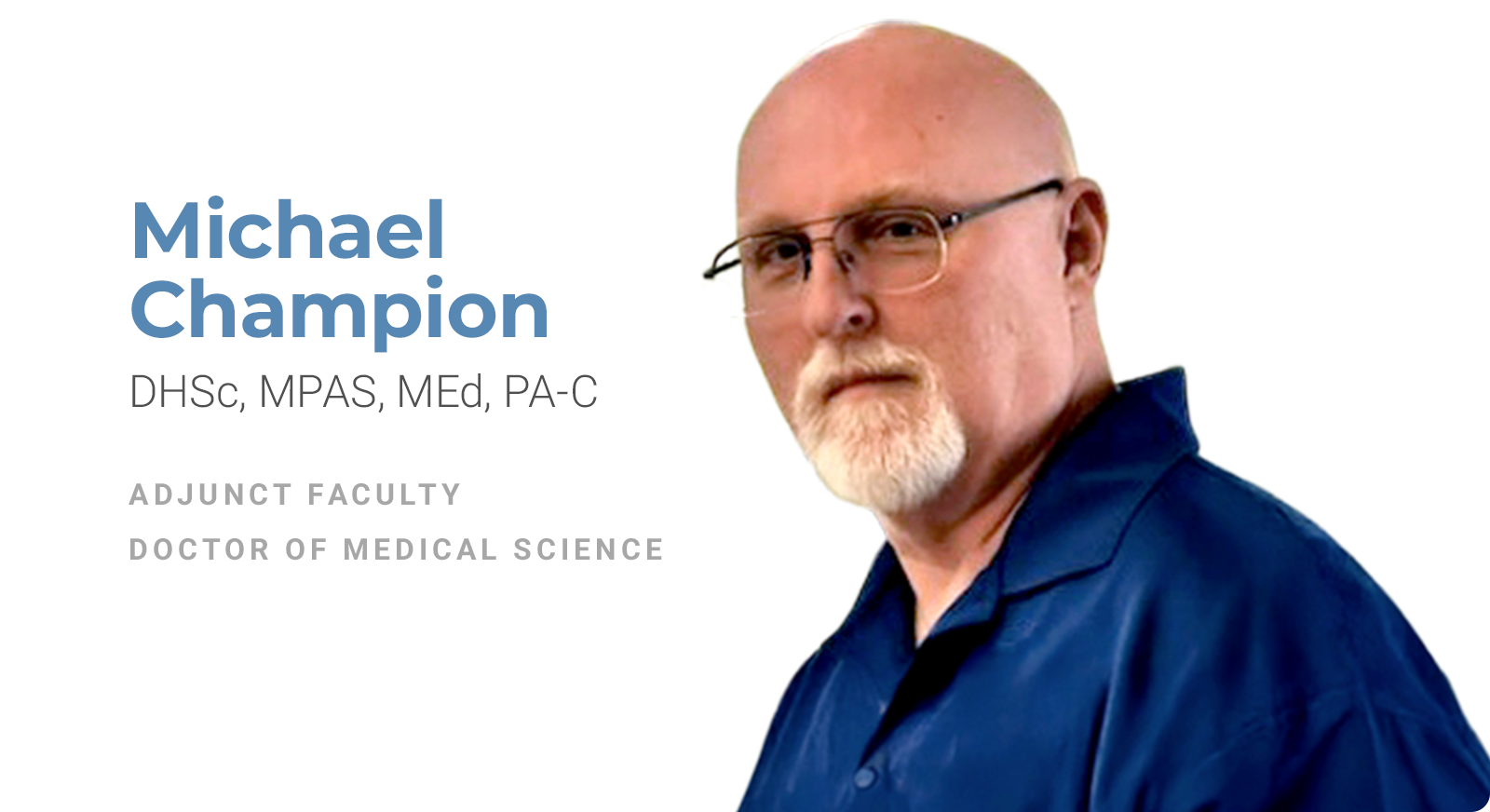
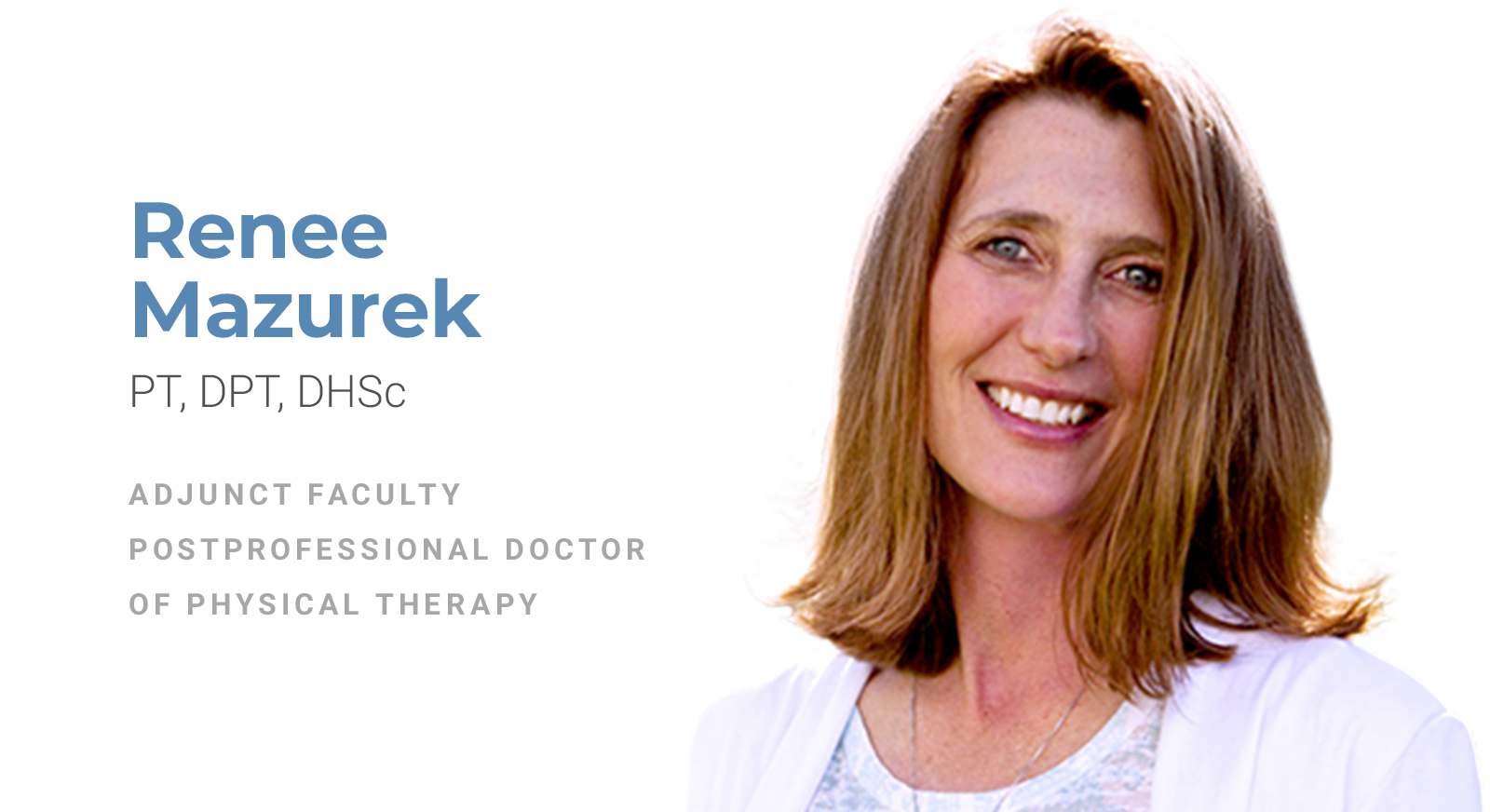
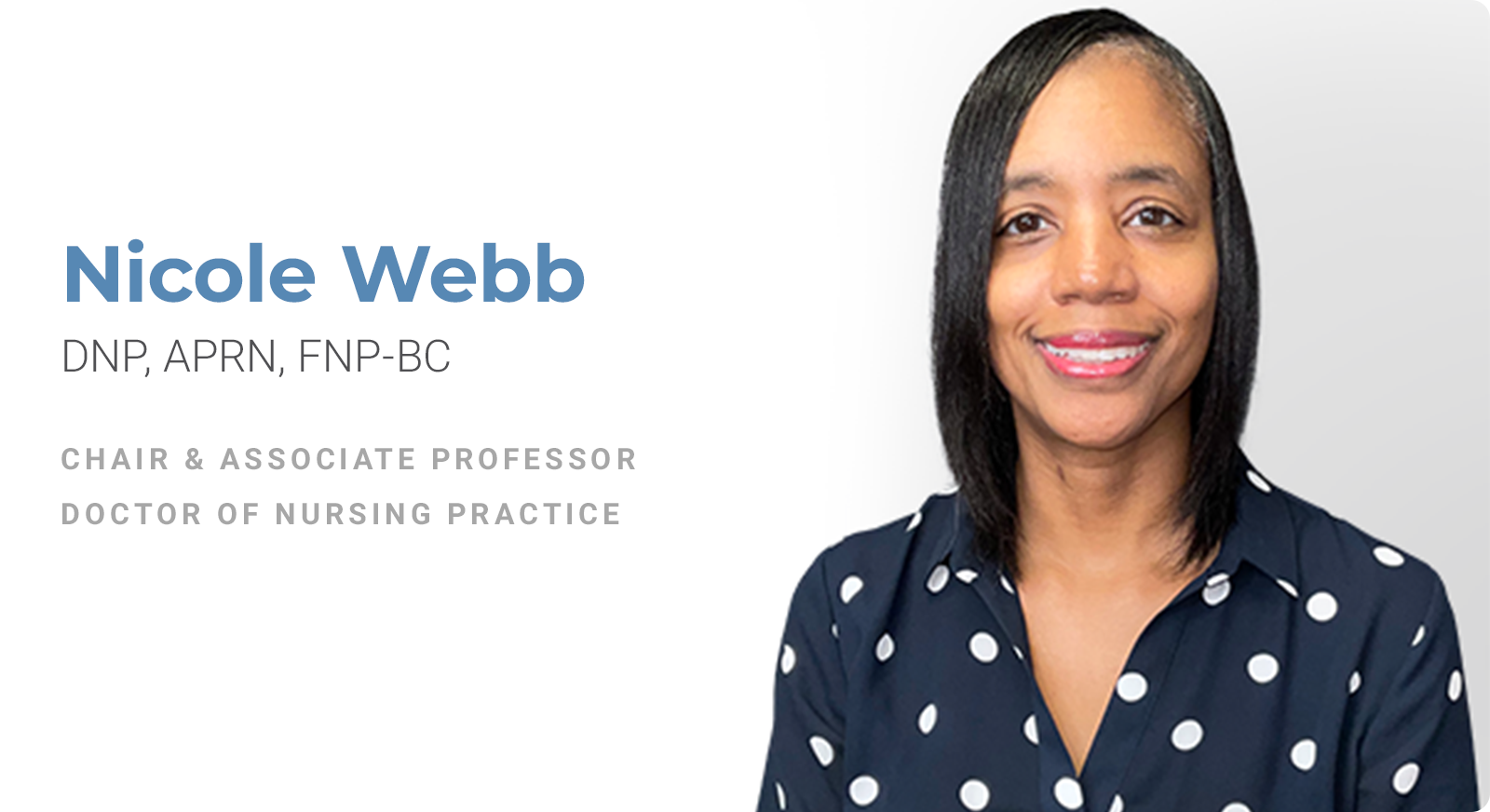
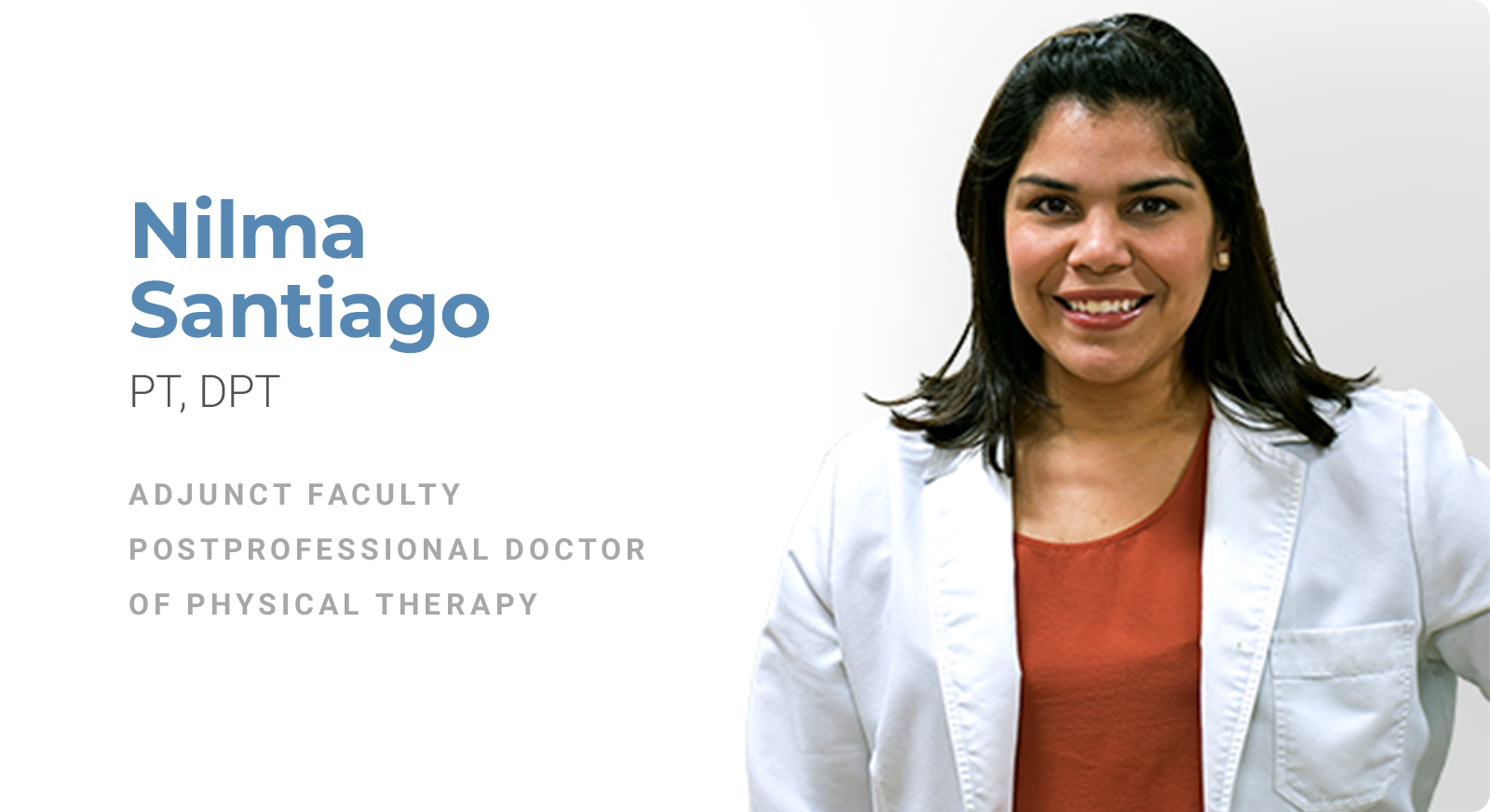
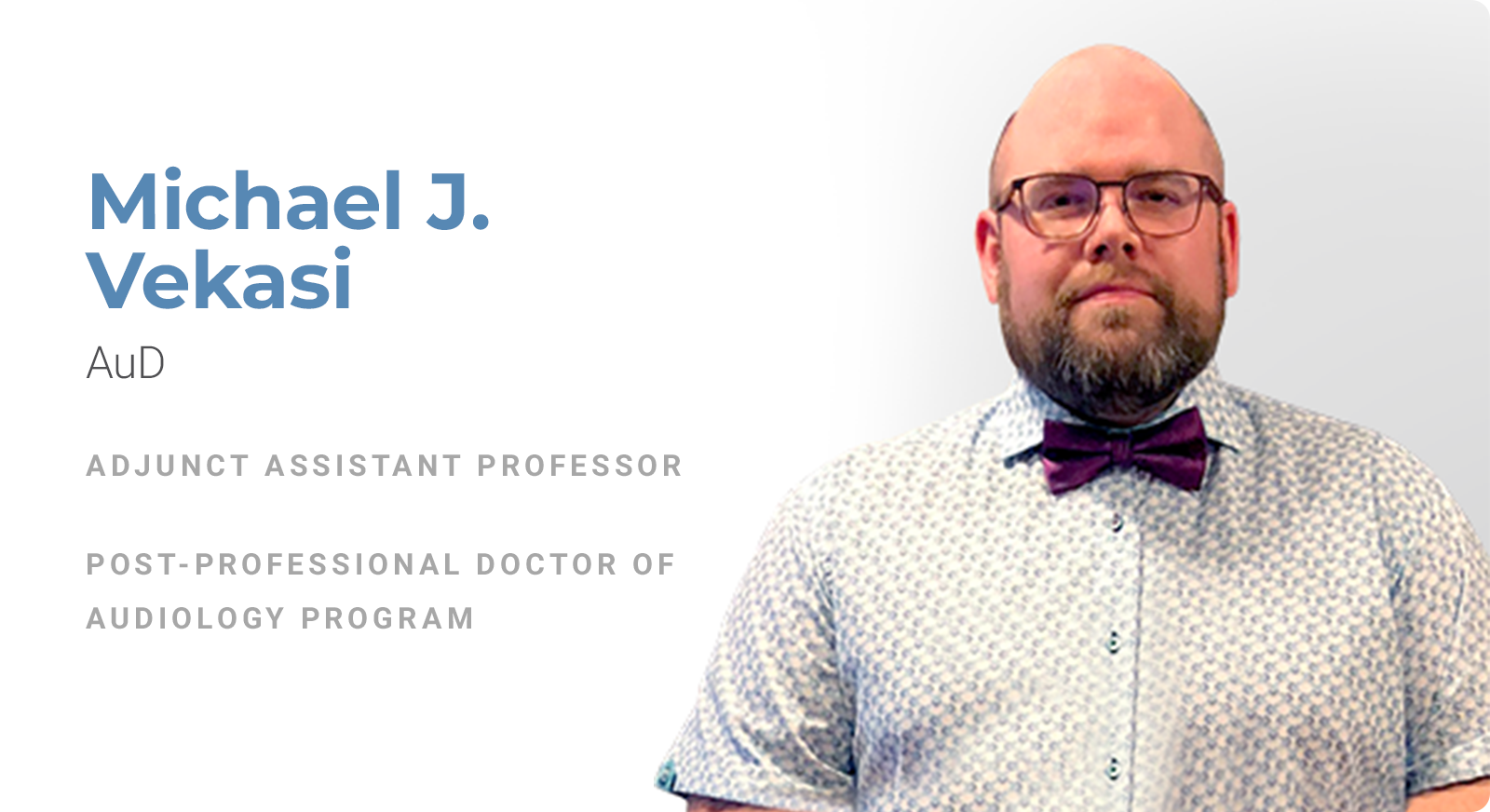
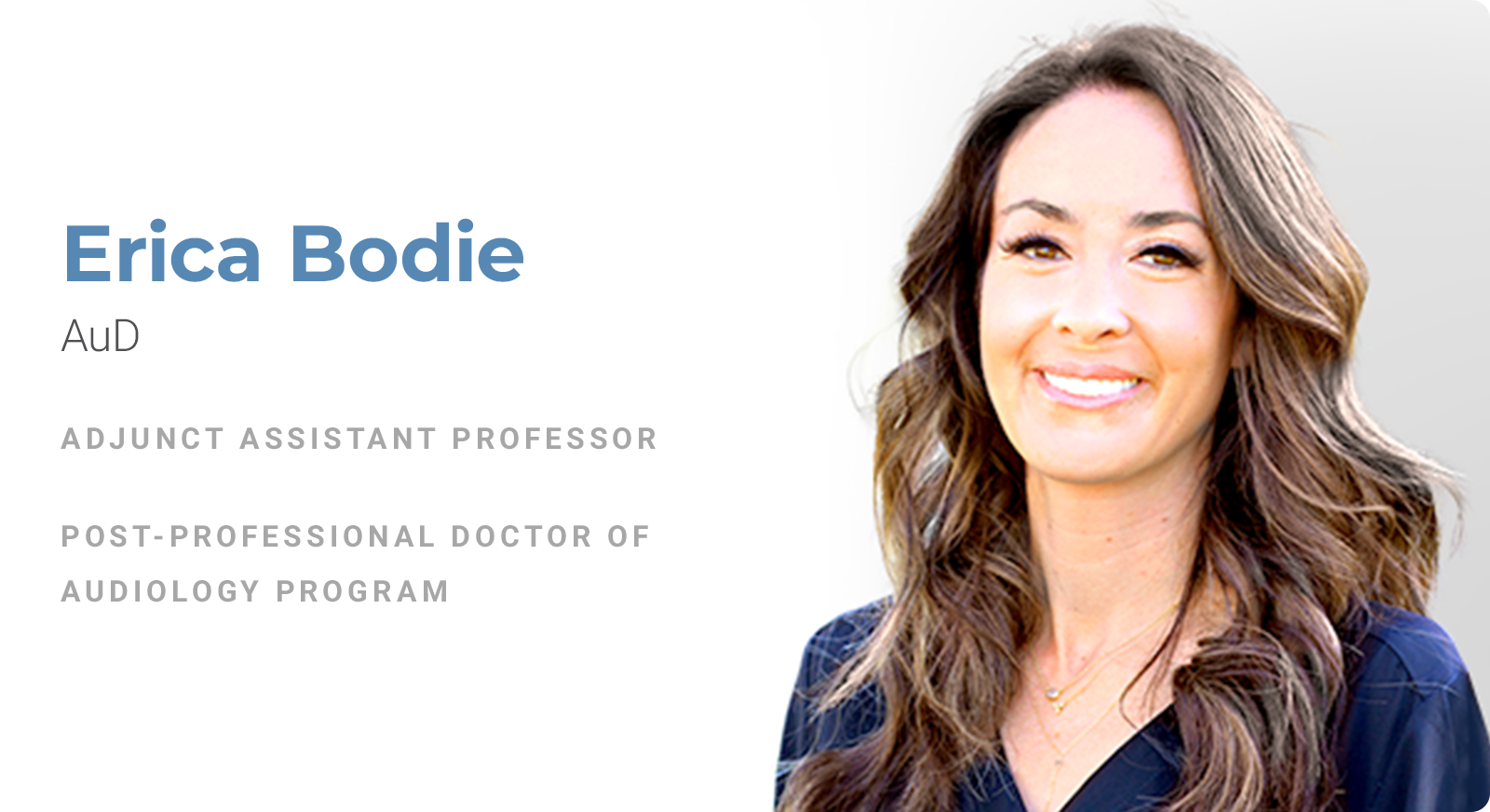
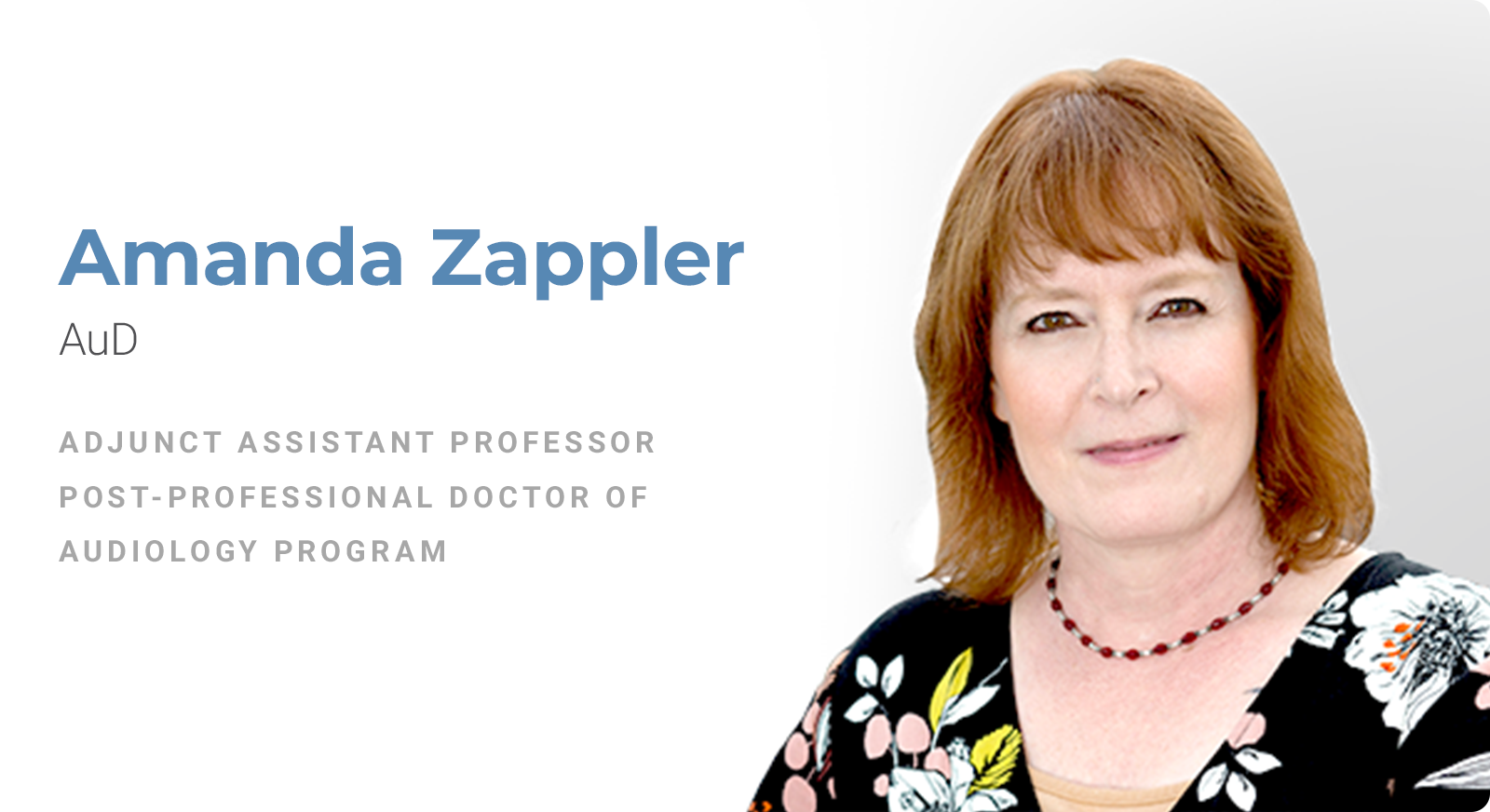
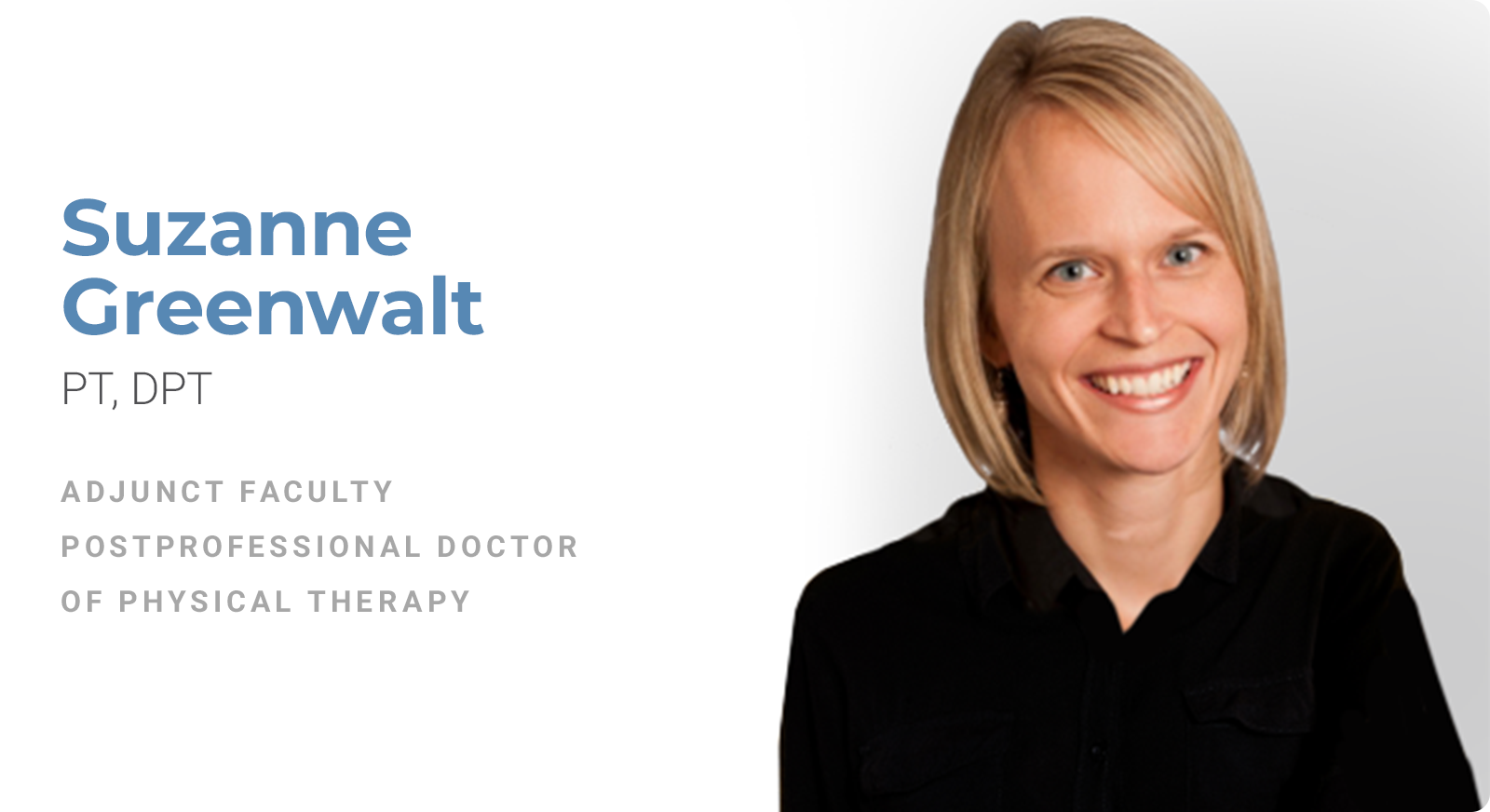
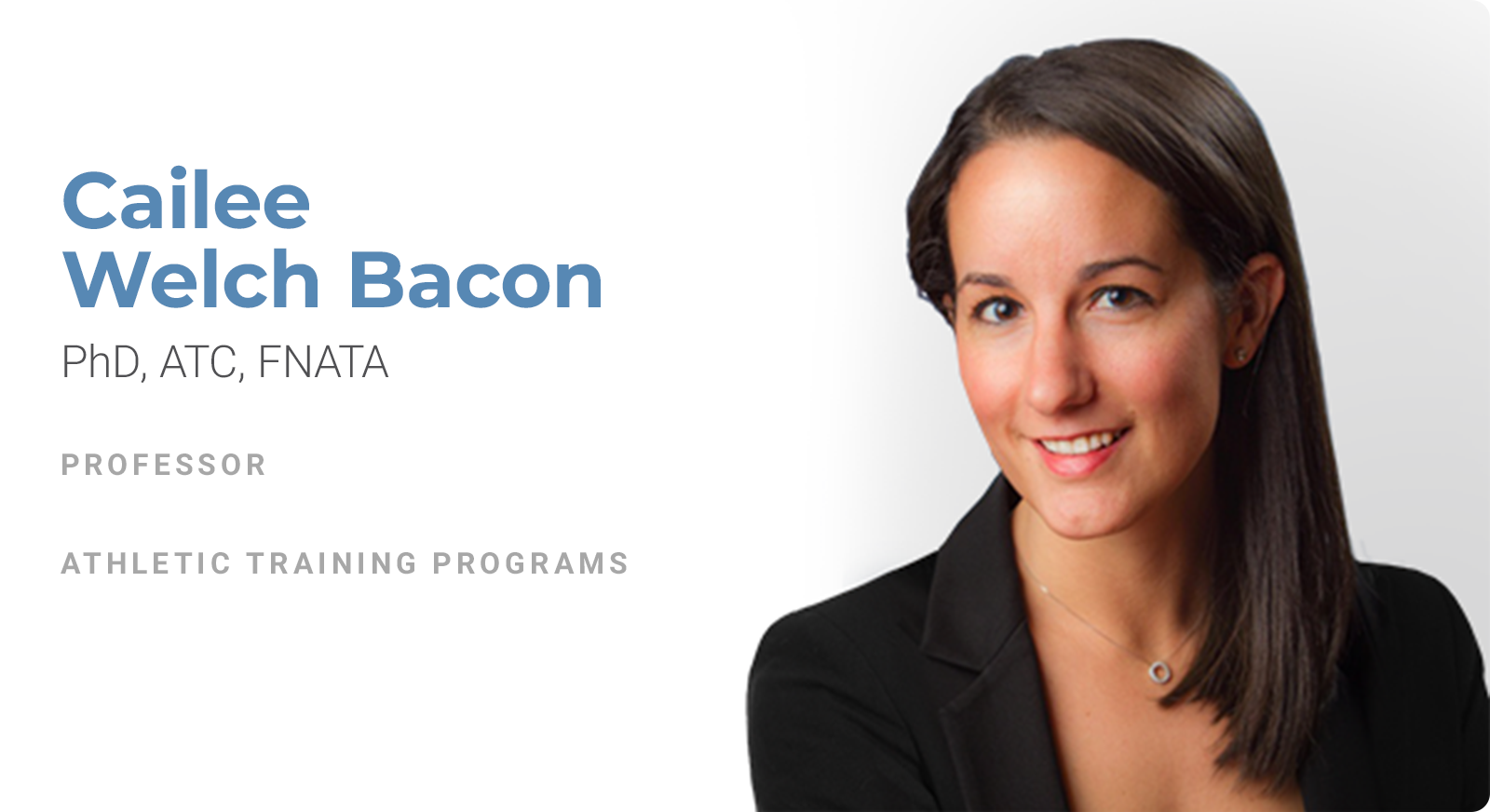
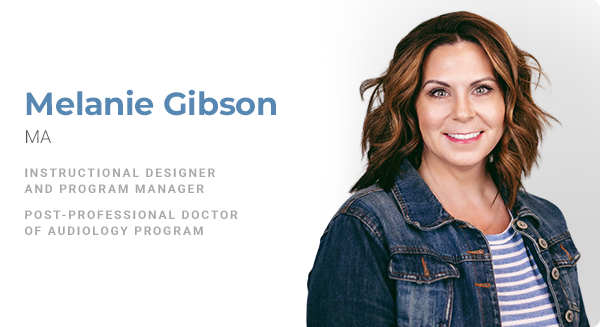
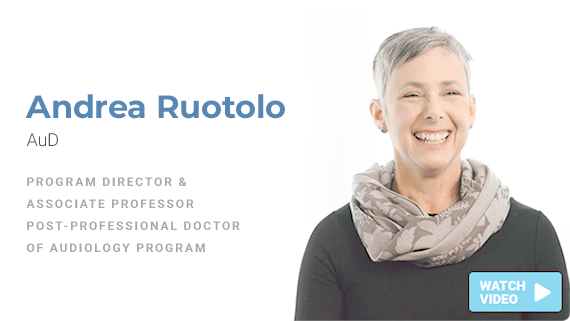





.png)