"The Medical School of the Future"
Making the Case : Curriculum - What's Different : Community Health Centers : In the News
Community Health Centers
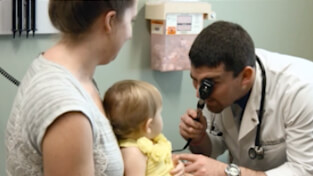
Students’ education in years two through four will be based at one of the 11 select Community Campuses across the country. The second year is spent in these Community Campuses in small group settings, learning additional clinical presentations, observing patient care, and gaining an understanding of the local health system and community health practices. Third- and fourth-year students will complete their clinical rotations at their Community Campuses, in Community Campus associated hospitals, as well as with affiliated healthcare providers and at select healthcare institutions. Osteopathic principles and practices are integrated throughout the curriculum, and the osteopathic manipulative treatment program is designed for primary care applications. This provides distinctive training in the value of healing touch in patient care.
ATSU is partnering with the following Community Health Centers and safety-net providers for Community Campuses:
- Sunset Park Family Health Center, based in Brooklyn, NY, and serving urban, émigré, ethnic, HIV, older adult and homeless populations in Brooklyn.
- Beaufort-Jasper-Hampton Comprehensive Health Services, based in Beaufort, SC (north of Hilton Head), and serving rural, suburban and ethnic populations in the low-country region of South Carolina.
- Alabama Medical Education Consortium, representing Alabama’s Community Health Centers with a base in Troy, AL (south of Montgomery), and serving rural, suburban and ethnic populations across Alabama.
- HealthSource of Southern Ohio, based in Milford, OH (east of Cincinnati), and serving rural, farming, ethnic, religious and Appalachian communities across southern Ohio.
- North Country Community Health Center, based in Flagstaff, AZ, and serving isolated and ethnic populations in rural northern and eastern Arizona.
- An American Indian focused campus, based in Phoenix AZ, and serving American Indian communities in central Arizona, the Southwest, and the nation.
- El Rio Health Center, based in Tucson, AZ, and serving urban, suburban, ethnic, HIV, and homeless constituents in and around Tucson.
- Family HealthCare Network, based in Porterville, CA (south of Fresno) and serving suburban and farm-worker populations in the valley at the base of Yosemite national park.
- A consortium of clinics in the Portland Oregon area, serving farm-worker, rural, and suburban constituents in northern Oregon.
- Community Health Centers of King County, serving urban, suburban, émigré and ethnic populations in the county east and south of Seattle, WA.
- Waianae Coast Comprehensive Health, based in Waianae, HI, and serving Native Hawaiian, Asian and suburban populations in the northwest coastal section of the island.
Community, Migrant and Homeless Health Centers are not-for-profit providers of healthcare to America’s medically underserved communities. For nearly 40 years, they have improved the health status of communities by bringing doctors, primary and enabling health services, and facilities into the nation’s neediest and most isolated communities. Health centers improve the health status of their communities by promoting healthy behaviors, improving access to care, offering opportunities for self-improvement, and providing comprehensive, coordinated, and evidence-based medical care for sick, disabled, chronically ill, and at- risk individuals. In order to improve the health status of whole communities the centers provide access to all - regardless of ability to pay. In order to provide access to all, these community-governed organizations offer sliding fee scales to the working poor, the uninsured, and high-risk and vulnerable populations. Today, this network of comprehensive primary care organizations serve more than 16 million people in over 3,600 communities - spanning urban, suburban and rural settings in all 50 states, the District of Columbia, and U.S. territories.